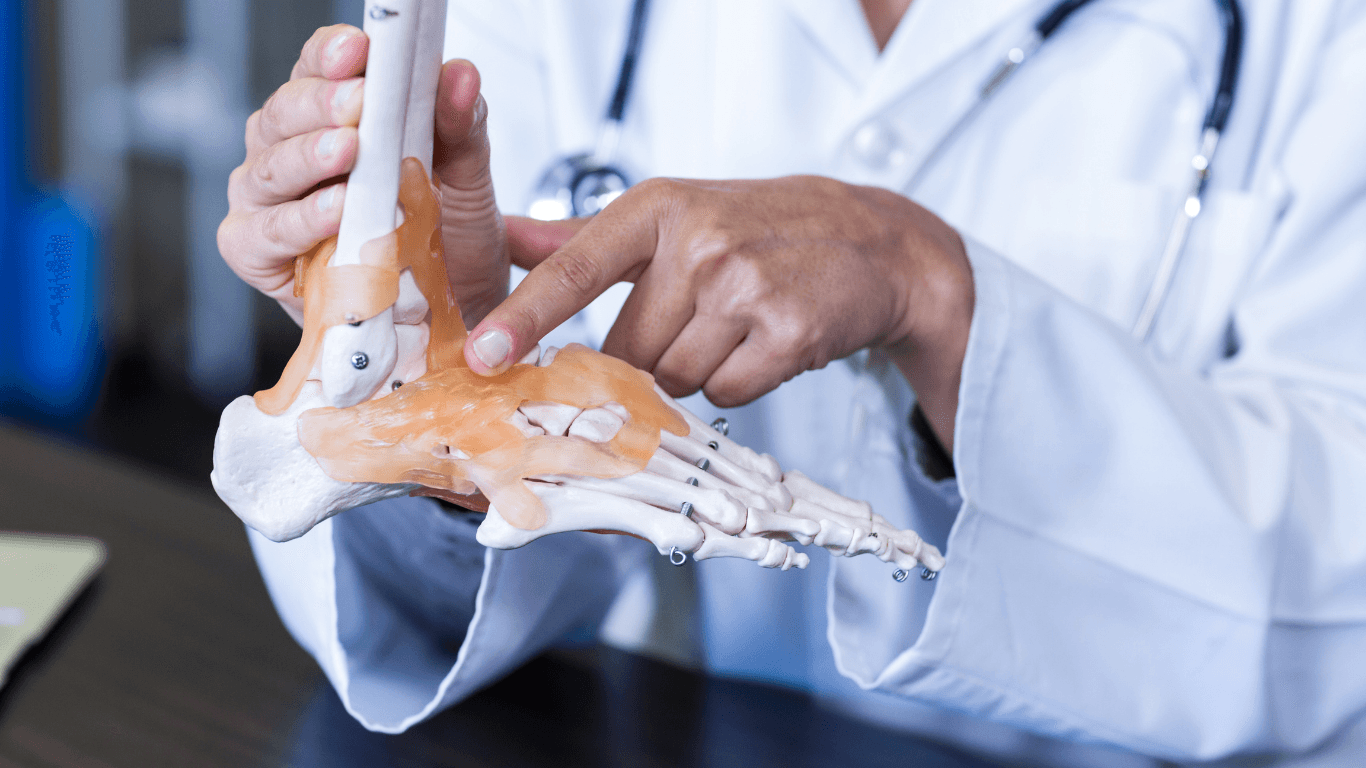
Knee pain can quietly take away independence, confidence, and the ability to enjoy everyday life. For many patients, especially those who have tried injections, therapy, or medications without lasting relief, surgery becomes the next step toward restoring mobility.
Robotic-assisted knee surgery represents a major advancement in how knee replacement procedures are planned and performed, offering a more precise, personalized approach to care. Under the care of Dr. Max Greig, an internationally trained orthopedic surgeon in Puerto Vallarta, patients from the U.S., Canada, and Mexico are discovering how robotic technology can make knee surgery more predictable, safer, and easier to recover from.
With world-class expertise, modern facilities, and a patient-centered approach, Dr. Greig combines advanced technology with compassionate care to help patients get back to living pain-free, without long wait times or excessive costs.
This guide explores the benefits of robotic-assisted knee surgery, how it works, who it helps most, and why it has become a preferred option for many patients seeking better outcomes and confidence in their results.
What Is Robotic-Assisted Knee Surgery?
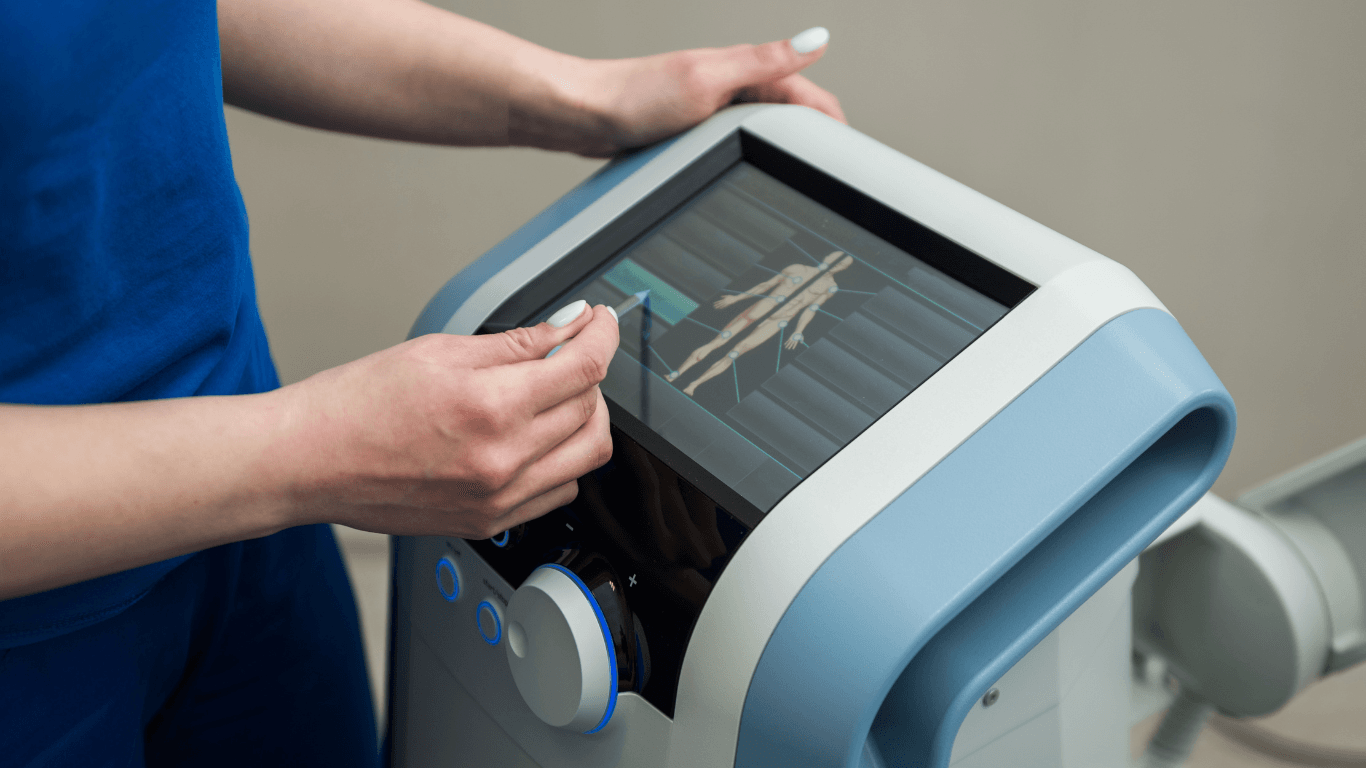
Robotic-assisted knee surgery is an advanced technique that uses computer planning, real-time data, and robotic guidance to assist the surgeon during knee replacement procedures. The robot does not operate independently. Instead, it acts as a highly precise tool that enhances the surgeon’s control and accuracy.
Before surgery, detailed imaging creates a three-dimensional model of the patient’s knee. This allows the surgeon to plan implant size, alignment, and positioning based on the patient’s unique anatomy. During the operation, the robotic system provides feedback and physical guidance to ensure bone cuts and implant placement follow that plan with exceptional precision.
For patients treated by Dr. Max Greig, this approach aligns perfectly with his philosophy of personalized, transparent, and evidence-based orthopedic care.
You might be interest in: Age and Lumbar Stenosis: How Aging Impacts Spinal Health
How Robotic Technology Increases Surgical Precision?
Personalized 3D Surgical Planning
One of the most important benefits of robotic-assisted knee surgery is the ability to plan the procedure before making a single incision. Using advanced imaging, the system builds a highly detailed 3D model of the knee, including bone shape, alignment, and joint mechanics.
This allows the surgeon to adjust implant positioning virtually, simulating how the knee will move after surgery. Instead of relying on standard measurements or estimates, the plan is tailored precisely to the patient’s anatomy, which is critical for comfort, stability, and long-term function.
Real-Time Guidance During Surgery
During the procedure, sensors track the knee’s position in real time. The robotic system guides the surgeon’s instruments and restricts movement outside the planned area. This helps prevent over-cutting or under-cutting bone and reduces variability that can occur with manual techniques.
The surgeon remains fully in control at all times. The robot simply adds a layer of accuracy and consistency that is difficult to achieve by hand alone, even for highly experienced surgeons.
Improved Implant Alignment and Fit
Proper implant alignment is one of the strongest predictors of long-term knee replacement success. Even small deviations can affect how forces travel through the joint, potentially leading to pain, stiffness, or early implant wear.
Robotic-assisted techniques allow alignment within very tight tolerances. Studies consistently show more consistent implant positioning compared to traditional methods, which may improve durability and reduce the risk of revision surgery over time.
Reduced Risk to Surrounding Tissue
Less Soft Tissue Trauma
Traditional knee replacement techniques often rely on manual instruments that can stress surrounding muscles, ligaments, and soft tissues. Robotic-assisted surgery allows for more controlled, precise bone preparation, which can reduce unnecessary tissue disruption.
By preserving healthy structures, patients often experience less postoperative pain and swelling. This can make the early recovery period more comfortable and less intimidating.
You might be interest in: Preparing for Lumbar Stenosis Surgery: Essential Steps and What to Expect
Enhanced Ligament Balancing
Ligament balance plays a crucial role in how a knee feels after surgery. If the ligaments are too tight or too loose, patients may experience instability or limited motion.
Robotic systems allow surgeons to assess ligament tension throughout the range of motion during surgery and adjust the plan accordingly. This fine-tuning helps create a knee that feels more natural and stable when walking, climbing stairs, or standing up from a chair.
Faster and Smoother Recovery
Earlier Mobility After Surgery
Many patients undergoing robotic-assisted knee surgery are able to stand and walk sooner after the procedure. Reduced tissue trauma and better alignment often translate into improved early function.
While recovery varies by individual, patients commonly report feeling more confident during the first weeks of rehabilitation, which can have a positive impact on long-term outcomes.
Shorter Hospital Stays
Studies show that robotic-assisted knee replacement is associated with shorter hospital stays in many cases. Some patients are able to return home sooner, reducing exposure to hospital-related complications and improving overall comfort.
For international patients traveling to see Dr. Max Greig in Puerto Vallarta, this can be especially valuable, allowing recovery to begin in a calm, supportive environment.
Improved Early Pain Control
Better surgical precision often leads to less postoperative pain. While pain is still part of any major surgery, patients frequently require fewer strong pain medications and transition more quickly to oral pain control and physical therapy.
This supports safer recovery and a smoother return to daily activities.
You might be interest in: Recovery After Lumbar Stenosis Surgery: Expectations, Timeline, and Tips
Customization for Every Patient
Tailored to Unique Anatomy
No two knees are exactly alike. Differences in bone shape, alignment, and wear patterns can significantly affect surgical outcomes. Robotic-assisted systems allow the surgeon to customize
implant size and positioning to each patient’s anatomy rather than relying on standard alignment assumptions.
This individualized approach is especially beneficial for patients with unusual anatomy, prior injuries, or partial joint damage.
Ideal for Partial and Total Knee Replacement
Robotic assistance is commonly used for both partial knee replacement and total knee replacement. In partial knee cases, precision is critical to preserve healthy bone and cartilage while treating only the damaged compartment.
In total knee replacement, robotic guidance helps optimize alignment across the entire joint, which can improve comfort and longevity of the implant.
Comparing Robotic-Assisted and Traditional Knee Surgery
Traditional knee replacement relies heavily on the surgeon’s experience and manual tools. While excellent outcomes are possible, results can vary more widely due to differences in technique and anatomy.
Robotic-assisted knee surgery adds a layer of data-driven consistency. Patients often see improved alignment accuracy, more predictable early recovery, and higher satisfaction in the first months after surgery.
Long-term outcomes are still being studied, but current evidence suggests at least comparable, and often improved, results compared to conventional methods.
Cost is an important consideration. Robotic procedures can be more expensive in some healthcare systems due to equipment costs.
However, when performed in high-quality, efficient centers such as those used by Dr. Max Greig, patients often benefit from significant overall savings, shorter recovery time, and reduced indirect costs related to prolonged disability.
You might be interest in: Lumbar Stenosis Surgery Options: Comparing Procedures and Recovery Time
Who Is a Good Candidate for Robotic-Assisted Knee Surgery?
Robotic-assisted knee surgery is well suited for many patients with moderate to severe knee arthritis who have not found relief with conservative treatments. Candidates often include adults seeking improved accuracy, faster recovery, and confidence in long-term results.
Patients with active infections, uncontrolled medical conditions, or extremely complex deformities may not be ideal candidates. A thorough evaluation with an experienced orthopedic surgeon is essential to determine the safest and most effective approach.
Frequently Asked Questions About Robotic-Assisted Knee Surgery
Is robotic-assisted knee surgery safer than traditional surgery?
Robotic-assisted knee surgery is considered at least as safe as traditional surgery when performed by a trained surgeon. The technology enhances precision and consistency but does not eliminate standard surgical risks such as infection or blood clots.
Does robotic-assisted knee surgery last longer than conventional knee replacement?
Implant longevity depends on many factors, including alignment, activity level, and overall health. Improved alignment with robotic assistance may reduce uneven wear, potentially supporting longer implant lifespan.
Will robotic-assisted knee surgery reduce pain after surgery?
Many patients experience less early postoperative pain due to reduced tissue trauma and improved precision. Pain levels vary, but improved comfort during early recovery is commonly reported.
Is robotic-assisted knee surgery covered by insurance?
Most insurance plans, including Medicare, cover knee replacement surgery when medically necessary. The robotic technology itself is typically included within standard surgical billing, but coverage details vary by plan and location.
You might be interest in: What to Expect After a Lumbar Spinal Stenosis Surgery?
Advanced Care with a Human Touch
Robotic-assisted knee surgery represents a powerful combination of advanced technology and surgical expertise. By improving precision, reducing risk, and supporting faster recovery, it offers meaningful benefits for patients seeking lasting relief from knee pain.
Under the care of Dr. Max Greig, patients receive more than just advanced technology. They experience world-class orthopedic care delivered with warmth, transparency, and personalized attention. For those considering knee surgery, robotic-assisted techniques may offer a clearer path back to mobility, independence, and quality of life, without the barriers of long wait times or excessive costs.
If knee pain is holding you back, understanding the benefits of robotic-assisted knee surgery can help you make a confident, informed decision about your care.