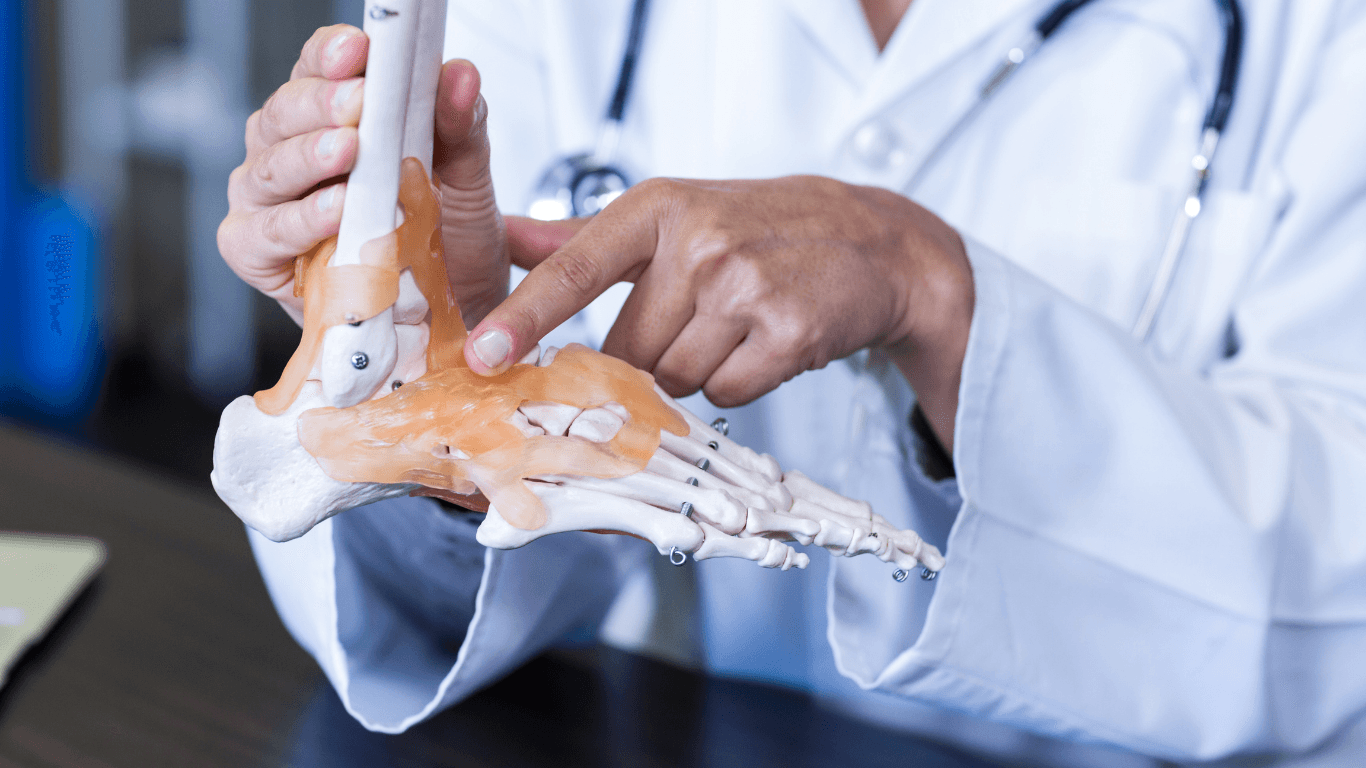

Recovering from knee surgery is a journey that challenges not only your mobility during the day but also your ability to rest at night. Many patients discover that sleep—something that should promote healing—becomes one of the most frustrating aspects of recovery. Finding a position that eases pressure on the knee, supports circulation, and minimizes swelling is essential for regaining strength.
The most comfortable way to sleep after knee surgery is usually on the back, with the operated leg slightly elevated and supported by firm pillows. This posture helps control swelling, prevents stiffness, and reduces discomfort. However, every patient’s body responds differently, and some may prefer side-sleeping once their surgeon approves it.
In this comprehensive guide, we’ll explore the science behind sleep and healing, the best positions after surgery, the role of pillows, how to manage pain and swelling at night, and strategies to create a truly restful environment. By the end, you’ll have the knowledge to approach recovery nights with confidence and clarity.
Learn in this other blog how to manage post-operative pain.
Why Sleep Matters After Knee Surgery
The Healing Power of Sleep
Sleep is not a luxury during recovery—it is a medical necessity. While you rest, your body activates processes that directly influence healing. During deep sleep, growth hormone is released, stimulating tissue repair and muscle regeneration. This is particularly critical after knee replacement or ligament reconstruction, where the body must repair surgical incisions and restore joint stability.
Sleep also boosts the immune system. Patients who rest well are less likely to face infections or slow wound healing. Research consistently shows that sleep deprivation weakens immune defenses and delays tissue repair.
Another key role of sleep is pain regulation. During quality rest, the body produces endorphins, natural chemicals that help reduce discomfort. Patients who sleep soundly often find they can reduce their reliance on pain medications.
What Happens When Sleep Is Poor
When sleep is disrupted, recovery slows down. Patients often report that knee pain feels sharper, stiffness more limiting, and fatigue harder to manage. Lack of rest can make physical therapy sessions exhausting, limiting progress toward regaining range of motion.
Emotional health is also tied to sleep quality. Anxiety, irritability, and even mild depression are common in patients who consistently struggle at night. These mental health challenges can further reduce motivation for rehabilitation.
In severe cases, prolonged sleep deprivation can affect cardiovascular health and raise stress hormone levels, which interfere with the body’s ability to heal.
Why Knee Surgery Disrupts Rest
The knee is central to almost every movement we make, and when it’s recovering from surgery, pain signals are constant. Patients often wake multiple times at night due to throbbing discomfort or difficulty finding a safe position. Swelling can worsen in the evening, making the joint feel tight and sensitive.
Even once pain begins to subside, some patients continue to experience insomnia after knee replacement surgery, often because of anxiety, stiffness, or habitually disrupted sleep cycles. Studies show that up to 80% of patients still report sleep issues weeks after their operation.
Optimal Sleeping Positions After Knee Surgery
Sleeping on Your Back
The supine position, or lying flat on your back, is the gold standard for most patients after knee surgery. This position ensures that the joint remains extended, which helps prevent contractures (permanent stiffness). Elevating the leg slightly with pillows under the calf and ankle reduces swelling by promoting fluid drainage away from the knee.
Patients who stick with this position often notice better long-term mobility. A clinical study published in Orthopaedic Nursing found that supine sleeping helped patients maintain healthier knee extension compared to those who preferred side-sleeping.
Side-Sleeping with Caution
For patients who find it difficult to sleep on their back, side-sleeping on the non-operated side can be an alternative once the surgeon approves it—typically after the first few weeks. The key is to place a firm pillow between the knees. This maintains alignment, prevents the operated leg from collapsing inward, and reduces stress on both hips and knees.
It’s important not to curl into a fetal position, as this bends the knee too much and may worsen stiffness.
Positions to Avoid
Patients should avoid lying on their stomachs. This posture rotates the hips and knees unnaturally, increasing pressure on the surgical site. Similarly, crossing the legs can place uneven stress on the new joint.
Sleeping with a pillow directly under the knee should also be avoided in the long term. Although it may feel comfortable, it keeps the knee bent and can limit extension, making it harder to regain full motion.
The Role of Supportive Pillows
Wedge Pillows and Leg Elevation
A wedge pillow is one of the most effective tools for post-surgery comfort. It allows the leg to remain straight while keeping the foot slightly elevated above heart level, which reduces swelling. Unlike soft pillows that collapse, wedges provide consistent support throughout the night.
Patients should place support under the calf and ankle, not directly beneath the knee, to maintain extension.
Standard Pillows for Targeted Comfort
Firm pillows can also be used for customized support. For example:
- Under the calf to reduce swelling.
- Between the knees for side sleepers.
- Behind the back to prevent rolling during the night.
Memory foam pillows are especially effective because they adapt to the body without losing shape.
Nighttime Immobilizers
Some surgeons recommend a knee immobilizer during sleep in the first weeks. This device prevents accidental bending that could interfere with healing. Patients who struggle with restless movements often find immobilizers helpful for peace of mind.
Pain and Swelling Management for Better Sleep
Timing Medications Wisely
Pain tends to peak in the evening, just as patients are trying to relax. One of the best strategies is to schedule pain medication 30–60 minutes before bedtime, ensuring maximum relief during the initial sleep phase.
For those on long-acting medication, physicians may adjust dosages so that nighttime discomfort remains under control. Patients should never skip or self-adjust doses without consulting their doctor, as breakthrough pain at night can be severe.
Cold Therapy Before Bed
Cold therapy, such as ice packs or cooling sleeves, helps reduce inflammation and numb the knee before sleep. A 15–20 minute session before bedtime often makes lying down more comfortable.
Gel packs or circulating cold therapy machines can provide longer-lasting relief. Always use a barrier, such as a thin cloth, to protect the skin.
Elevation for Swelling Control
Keeping the leg elevated with the ankle slightly above heart level is one of the simplest yet most effective ways to reduce swelling. This position aids circulation, allowing excess fluid to drain naturally.
Short elevation sessions during the day, combined with nighttime positioning, create consistent relief and better sleep.
Creating a Restful Sleep Environment
Sleep Hygiene Basics
Patients recovering from knee surgery benefit greatly from structured routines:
- Going to bed and waking up at the same time daily.
- Avoiding long naps, which interfere with nighttime rest.
- Limiting caffeine, alcohol, and heavy meals in the evening.
- Using the bed only for sleep, not for scrolling or watching TV.
These practices train the body’s internal clock, making it easier to fall asleep even with post-surgical discomfort.
Setting Up the Bedroom for Comfort
A cool, dark, and quiet room promotes deeper rest. Blackout curtains, white noise machines, or earplugs can minimize disruptions. A supportive mattress with enough firmness to keep the body aligned also makes a difference.
Safety should be considered as well: keeping mobility aids close by, ensuring clear walking paths, and having a bedside lamp can reduce risks during nighttime bathroom trips.
Relaxation Routines Before Bed
Relaxation techniques prepare the body for rest. Patients may try:
- Gentle stretching approved by their physical therapist.
- Breathing exercises or guided meditation.
- Progressive muscle relaxation (tensing and releasing muscle groups).
- Listening to calming music or nature sounds.
Even a warm shower before bed can relax muscles surrounding the knee, though heat should not be applied directly to the surgical site.
FAQs: Sleeping After Knee Surgery
When can I start sleeping on my side?
Most patients are advised to avoid side-sleeping for the first few weeks. Once cleared by the surgeon, side-sleeping with a pillow between the knees is usually safe.
Why should I avoid a pillow under my knee?
While it feels comfortable, keeping a pillow under the knee for prolonged periods encourages bending and may limit long-term extension. It’s safer to place pillows under the calf and ankle instead.
How long should I keep my leg elevated at night?
Elevation is typically recommended for the first 2–3 weeks, though some patients benefit from longer use if swelling persists. The key is to maintain the knee straight with the ankle elevated above the heart.
Are these recommendations supported by medical guidelines?
Yes. Guidelines from the NHS and the American Academy of Orthopaedic Surgeons emphasize sleeping on the back with the leg straight and supported, and they recommend avoiding prolonged bent positions.
Rest as a Foundation for Recovery
Learning how to sleep comfortably after knee surgery is more than a matter of convenience—it’s a critical part of healing. By focusing on safe sleeping positions, proper pillow use, pain and swelling management, and a restful environment, patients can transform their nights into powerful allies for recovery.
Every hour of quality sleep contributes to tissue repair, pain relief, and the energy needed for rehabilitation. With patience and the right strategies, restful nights will return, paving the way toward full mobility and a healthier, more active life.