When joint pain, spine problems, or limited mobility begin to interfere with everyday life, choosing the right surgeon becomes a deeply personal decision.
For patients considering orthopedic surgery, especially those traveling for care, the difference between a standardized protocol and truly personalized treatment can shape not only the surgical outcome, but the entire recovery experience.
At the center of this patient-focused philosophy is Dr. Max Greig, an internationally trained orthopedic surgeon in Puerto Vallarta, whose practice is guided by a single core commitment, delivering world-class surgical expertise with individualized attention, compassion, and transparency.
His approach reflects a growing global shift toward patient-centered orthopedic care, where treatment is designed around the person, not just the diagnosis, resulting in safer procedures, smoother recoveries, and more meaningful long-term outcomes.
This article explores how personalized, patient-centered orthopedic care works in practice, from preoperative planning and surgical decision-making to recovery, rehabilitation, and long-term follow-up, and explains why this approach leads to safer procedures, faster healing, and better functional results for patients seeking orthopedic care at home or abroad.
Understanding Personalized Care in Orthopedic Surgery
What Personalized Care Really Means
In orthopedic medicine, personalized care is the practice of tailoring every aspect of diagnosis, surgical planning, and rehabilitation to the patient’s anatomy, lifestyle, health history, and goals. Rather than applying a one-size-fits-all surgical pathway, clinicians evaluate how age, activity level, bone quality, alignment, chronic conditions, and even emotional readiness influence outcomes.
This approach integrates clinical evidence with the patient’s priorities. A retired patient who wants to walk pain-free may need a different strategy than an active golfer hoping to return to sport. Personalized care respects these differences and builds a plan that aligns treatment with real life.
Personalized Care Versus Traditional Orthopedic Models
Traditional orthopedic pathways often rely on standardized protocols and fixed timelines. While clinically sound, they may not account for individual healing rates, lifestyle demands, or personal expectations. Personalized care shifts the focus to continuous collaboration, where surgeon and patient jointly define success and adapt the plan as recovery unfolds.
This model reduces unnecessary interventions, improves adherence to rehabilitation, and supports better long-term joint function by addressing the whole person rather than isolated anatomy.
Preoperative Personalization: Building the Right Surgical Plan
Advanced Diagnostics and Individual Risk Profiling
A personalized orthopedic journey begins with a comprehensive assessment. Imaging, gait analysis, functional testing, and medical history are evaluated alongside factors such as bone density, cardiovascular health, and previous surgeries. These insights guide implant selection, surgical technique, and anesthesia planning.
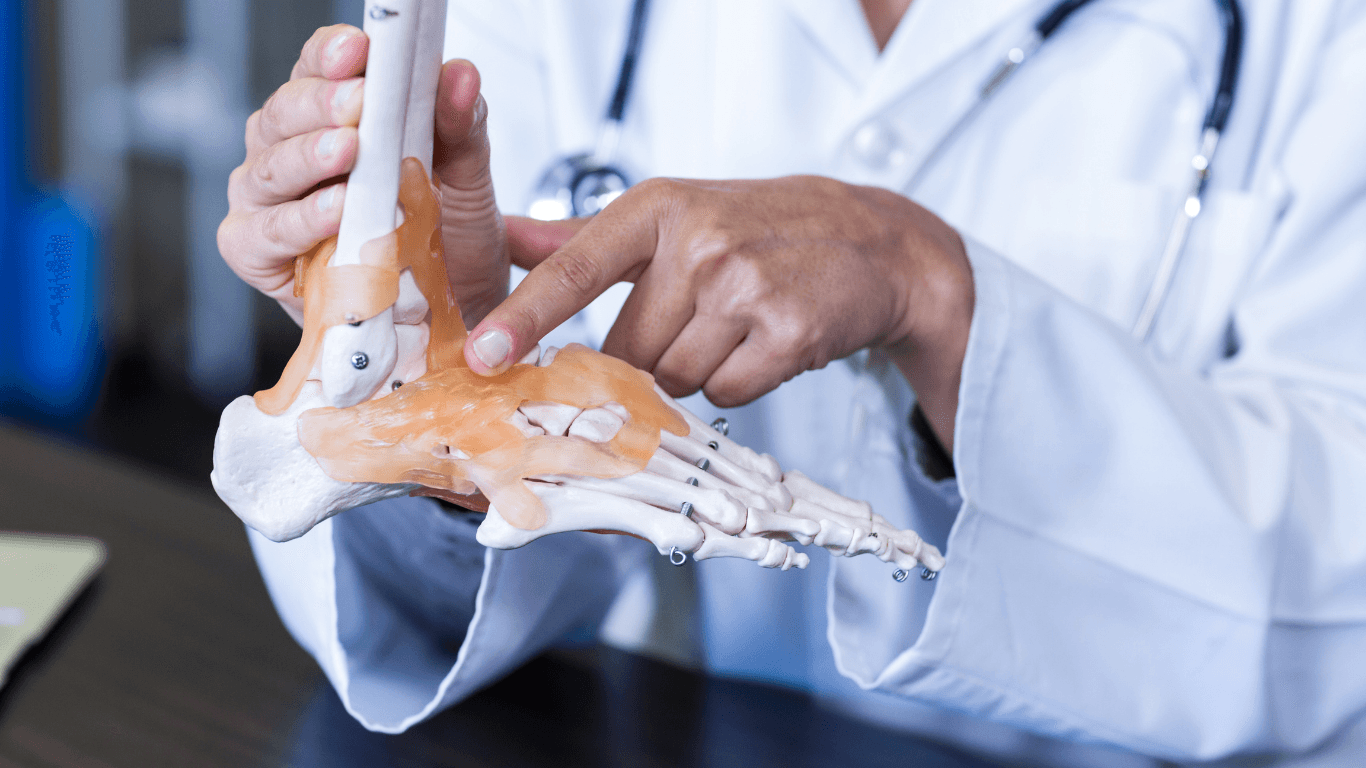
For example, knee replacement is no longer simply about replacing cartilage. Alignment strategies, ligament balance, and implant design are customized to restore natural movement patterns. In spine surgery, nerve compression patterns and spinal biomechanics determine whether minimally invasive or reconstructive approaches offer the safest path.
Shared Decision-Making and Goal Alignment
Personalized care relies on structured conversations that clarify what matters most to the patient. Pain relief, mobility, independence, and return to travel or sport are common priorities. The surgeon explains options, risks, and realistic outcomes, allowing the patient to make informed choices.
This shared decision-making process builds trust and ensures that surgical plans reflect both clinical necessity and personal goals. For international patients, this transparency is especially valuable, reducing anxiety and aligning expectations before travel.
Intraoperative Precision and Customized Techniques
Tailored Surgical Approaches
Modern orthopedic surgery offers multiple techniques for the same condition, from minimally invasive joint replacement to robotic-assisted alignment and patient-specific instrumentation. Personalized care selects the approach that best fits the patient’s anatomy and functional demands.
Customized implant sizing, navigation systems, and tissue-sparing methods improve accuracy and reduce trauma. These refinements contribute to lower complication rates, faster mobilization, and more natural joint mechanics.
Safety Through Individualized Protocols
Anesthesia plans, blood management strategies, and infection prevention protocols are adapted based on patient risk profiles. Older adults, patients with diabetes, or those with cardiovascular conditions benefit from customized perioperative monitoring and recovery pathways that prioritize safety and comfort.
Personalized Rehabilitation and Recovery
Individualized Physical Therapy Pathways
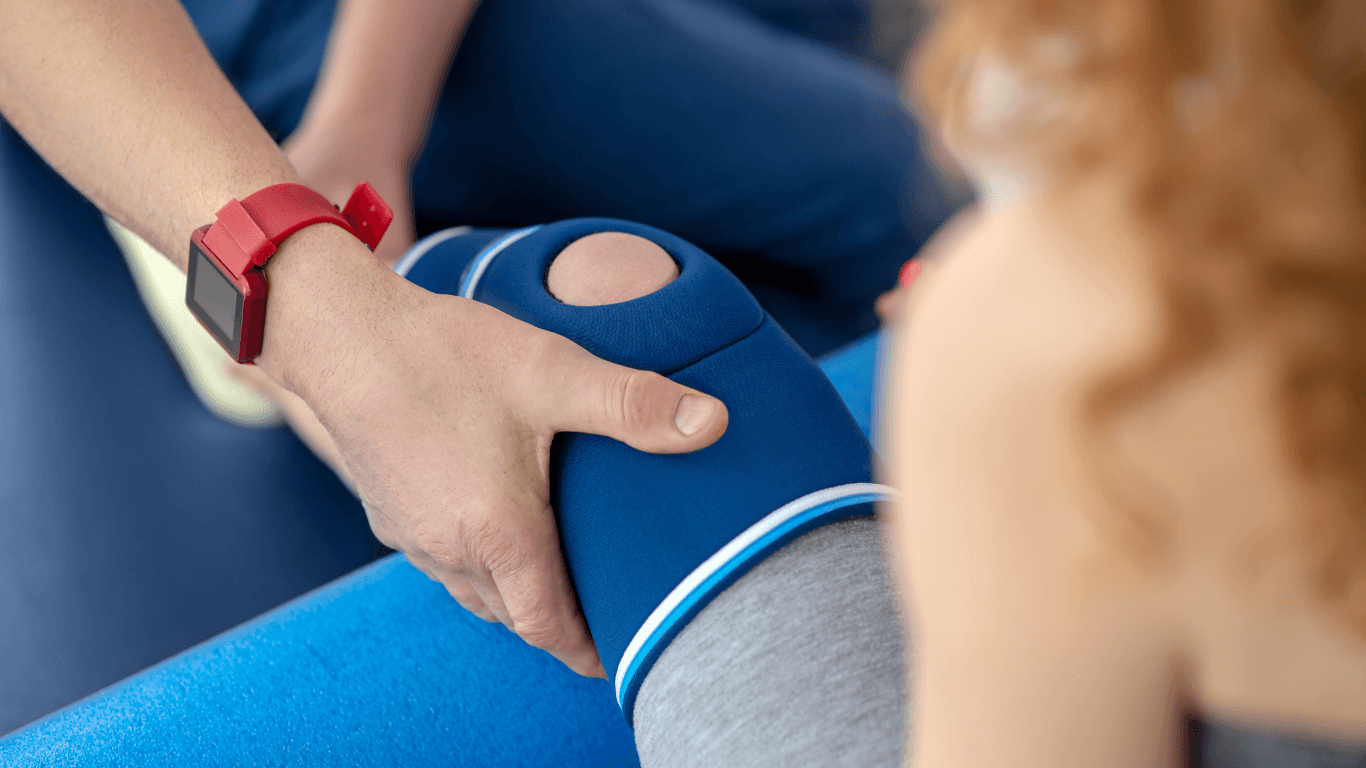
Recovery does not follow a fixed calendar. Personalized care designs rehabilitation around healing capacity, pain tolerance, and functional goals. Physical therapy intensity, assistive devices, and exercise progression are adjusted based on real-time performance and feedback.
A patient aiming to resume hiking may focus on balance and endurance, while another prioritizes basic mobility and independence. This customization improves engagement and long-term adherence.
Pain Management and Emotional Support
Effective recovery requires addressing both physical and emotional factors. Personalized pain control plans combine medication, regional anesthesia, and non-pharmacologic strategies such as movement therapy and education. Clear communication reduces fear and builds confidence, which in turn supports better functional outcomes.
Technology Supporting Personalized Orthopedic Care
Digital Monitoring and Remote Follow-Up
Wearable sensors, telehealth platforms, and mobile apps allow clinicians to track mobility, swelling, and exercise compliance. These tools provide early warning of complications and enable timely adjustments without unnecessary clinic visits, an advantage for international patients returning home.
Integrated Medical Records and Continuity of Care
Interoperable electronic health records ensure that imaging, operative notes, and rehabilitation plans are accessible across providers. This continuity supports coordinated care between surgeons, therapists, and primary physicians, reinforcing the personalized model.
Personalized Care for International Orthopedic Patients
Addressing Travel, Recovery, and Support Systems
Medical travelers require additional planning. Personalized care includes pre-travel assessments, clear timelines, and coordination with accommodation and postoperative support. Education on mobility restrictions, wound care, and safe travel ensures continuity of recovery.
In destinations like Puerto Vallarta, the environment itself becomes part of the healing experience, offering comfort, climate, and hospitality that support physical and emotional well-being.
Cultural Sensitivity and Communication
Bilingual teams and culturally aware care models reduce misunderstandings and enhance patient confidence. Personalized communication ensures that instructions are clear, expectations are aligned, and patients feel supported throughout their journey.
Clinical Outcomes and Long-Term Benefits
Improved Functional Results and Satisfaction
Research consistently shows that patient-centered orthopedic care improves functional scores, reduces readmissions, and increases satisfaction. When patients understand their plan and feel heard, they are more likely to adhere to rehabilitation and achieve durable results.
Prevention of Complications and Revision Surgery
Customized implant selection, precise alignment, and tailored rehabilitation reduce wear, instability, and joint overload. This lowers the risk of revision surgery and supports longer-lasting outcomes.
The Future of Personalized Orthopedic Care
Data-Driven Precision and Predictive Analytics
Artificial intelligence and big data will further refine risk prediction and outcome forecasting. Personalized care will increasingly integrate genetic markers, biomechanical modeling, and real-world performance data to guide surgical decisions.
Expanding Access and Global Standards
As technology and training advance, personalized orthopedic care will become the global standard, ensuring that high-quality, individualized treatment is accessible regardless of location.
Frequently Asked Questions
How does personalized care improve orthopedic surgery safety?
Personalized care assesses individual risk factors and tailors surgical and anesthesia protocols accordingly. This reduces complications, optimizes implant selection, and ensures that recovery pathways match the patient’s health status and healing capacity.
Is personalized care more effective for joint replacement?
Yes. Customized alignment, implant sizing, and rehabilitation plans improve joint mechanics, reduce pain, and enhance long-term function compared to standardized approaches.
Can personalized care shorten recovery time?
By matching therapy intensity and pain management to the patient’s needs, personalized care often leads to faster mobilization and earlier return to daily activities.
Does personalized care increase treatment costs?
While advanced diagnostics and technology may add upfront costs, personalized care can reduce complications, readmissions, and revision surgeries, making it cost-effective over the long term.
Request a Personalized Remote Evaluation
A personalized care approach in orthopedic surgery transforms the patient experience from a clinical procedure into a supported journey toward restored mobility and independence. By aligning advanced surgical techniques with individual goals, health profiles, and recovery needs, outcomes become safer, more predictable, and more meaningful.
For patients seeking orthopedic treatment abroad, Dr. Max Greig exemplifies how personalized care can deliver world-class results with warmth, clarity, and trust. His commitment to patient-centered planning, precision surgery, and compassionate follow-up reflects the belief that expert care should never feel impersonal. It should feel human, supportive, and designed around what matters most: helping people return to active, pain-free lives with confidence.