Lower back pain is one of the most frequent health problems worldwide, and it affects how you move, work, and enjoy daily life. Some people experience a sudden, sharp pain after bending or lifting. Others develop a slow, persistent ache that gradually limits their ability to stay active.
Although lower back pain is incredibly common, it is not something you need to simply “live with.” Understanding why it occurs and how to treat it empowers you to regain comfort and mobility.
Drawing from the patient-centered perspective that Dr. Max Greig is known for, this guide explains in clear and practical terms the most common causes of lower back pain, the symptoms to watch for, and the treatment options that provide the best results.
Whether you are experiencing your first episode or have been dealing with chronic discomfort for years, this information helps you take meaningful steps toward relief.
Understanding Lower Back Pain
Lower back pain can come from several structures—muscles, ligaments, discs, nerves, or joints. To understand what might be happening in your body, it helps to know the basics of the lumbar spine.
You might interest in: Back Surgery Right for Chronic Pain: Evaluating Options and Outcomes
Anatomy of the Lumbar Spine
The lower back includes five sturdy vertebrae designed to carry much of your body weight. Small shock-absorbing discs separate these vertebrae, while muscles, ligaments, and tendons surround the area to allow bending, twisting, and lifting. Because this region supports so much motion and load, it is particularly vulnerable to strain, injury, and wear over time.
Even routine activities—long hours sitting at a desk, repetitive lifting at work, or sports that involve twisting—can gradually irritate the tissues in this area. When one part of the lumbar spine is damaged or inflamed, the surrounding structures often react as well, which is why lower back pain can sometimes feel widespread.
Common Symptoms of Lower Back Pain
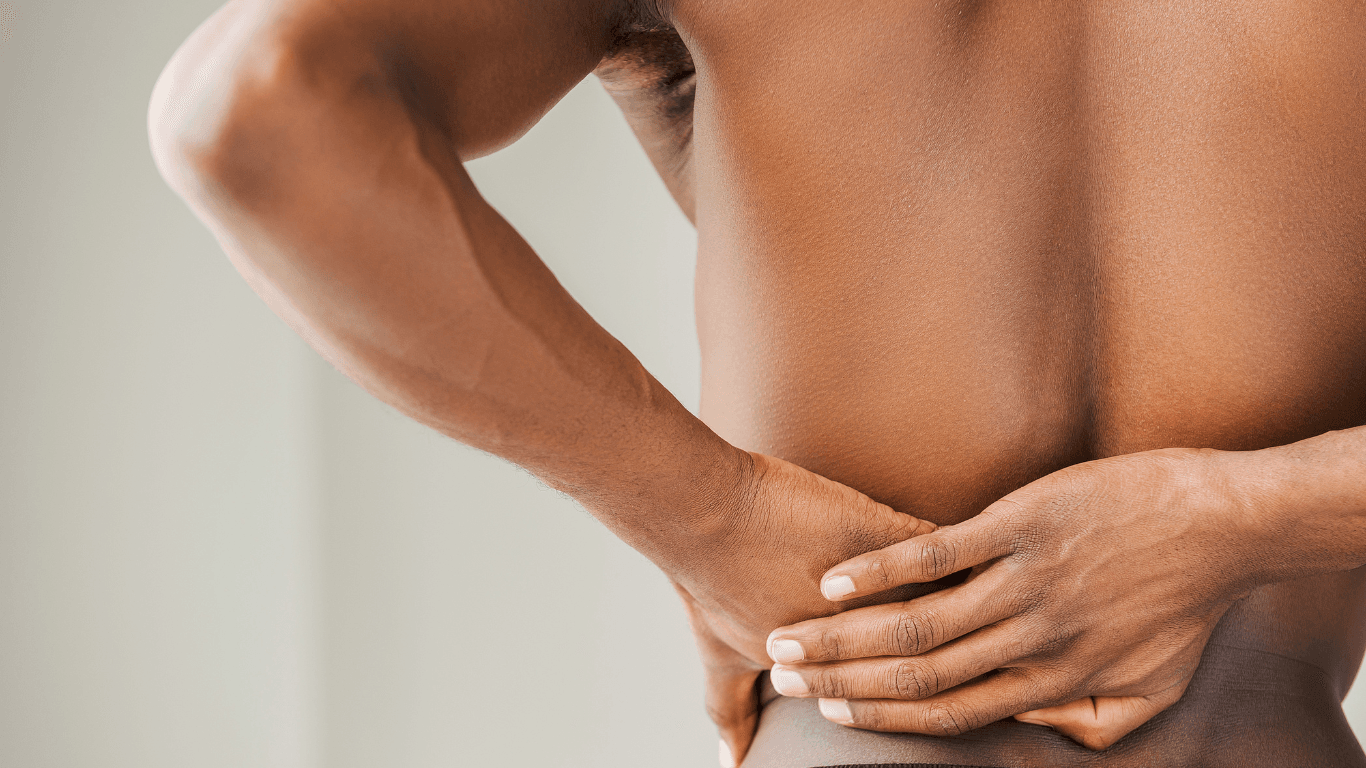
Lower back pain can appear in many forms. Some people describe a dull, deep ache. Others feel sharper, stabbing discomfort when bending or standing. The muscles around the spine may tighten, leading to stiffness that makes it difficult to move comfortably. Pain may stay in the lower back or spread into the hips, buttocks, or legs.
Symptoms often worsen with prolonged sitting, standing, or physical activity, although some relief may come from rest. When pain spreads down the leg or is accompanied by tingling or numbness, it may indicate irritation or compression of the sciatic nerve. These symptoms can help your doctor determine whether the cause is muscular, disc-related, or nerve-related.
Acute vs. Chronic Lower Back Pain
Lower back pain is usually classified as acute or chronic. Acute pain begins suddenly and lasts less than six weeks. It often results from lifting, twisting, or a minor injury and tends to improve quickly with self-care. Chronic pain persists longer than three months and may be steady or come and go. It is commonly linked to structural changes in the spine, disc degeneration, or chronic muscular tension.
Understanding the timeline and pattern of your pain helps guide the most effective treatment strategy. Many cases of acute pain resolve with rest and gentle movement, while chronic pain may require a more comprehensive approach that includes physical therapy and ongoing lifestyle adjustments.
Causes and Risk Factors
Lower back pain has many potential causes, and sometimes more than one factor contributes to the discomfort. Identifying the source helps you take the right steps toward relief.
Muscle Strain and Ligament Injuries
Strains and sprains are among the most common reasons for lower back pain. These injuries occur when muscles or ligaments stretch too far or tear. They can happen instantly—while lifting or turning suddenly—or gradually through repetitive movements or poor posture. Muscle spasms may develop as the body attempts to stabilize the injured area, causing additional stiffness and pain. Although these injuries are uncomfortable, they usually respond well to rest, heat or ice, and gentle stretching.
You might interest in: What Should You Eat After Back Surgery for Faster Recovery: Essential Nutrients and Foods
Degenerative and Structural Conditions
As the body ages, the discs and joints of the spine naturally experience wear. These changes may lead to several conditions that affect comfort and mobility.
Degenerative disc disease occurs when the discs lose hydration and flexibility, making them less effective at cushioning the vertebrae. This can lead to soreness or stiffness, especially after long periods of sitting or standing. Herniated discs may develop when the soft center of a disc pushes through its outer layer, placing pressure on nearby nerves. This often results in sciatica, where pain radiates from the lower back down one leg.
Spinal stenosis, a narrowing of the spinal canal, may compress nerves and cause pain, numbness, or weakness in the legs, especially during walking. Spondylolisthesis, where one vertebra slips forward over another, can also create instability and nerve irritation. Compression fractures related to osteoporosis may lead to sudden and severe pain, especially in older adults.
Nerve-Related Issues
The nerves in the lower back can easily become irritated or compressed. This may occur due to disc herniation, bone spurs, inflammation, or narrowing spaces within the spine. When nerves are affected, symptoms often extend beyond the lower back. Tingling, numbness, or weakness in the legs may follow, depending on the nerve involved. Because nerve-related pain can worsen quickly or become long-lasting, timely evaluation is important when these symptoms appear.
Underlying Medical Conditions
Lower back pain does not always come from the spine itself. Autoimmune conditions such as ankylosing spondylitis or fibromyalgia can cause chronic inflammation or widespread muscle pain. Infections involving the spine, although less common, can lead to persistent pain and require medical treatment. Conditions affecting other organs, such as kidney stones, kidney infections, ovarian cysts, or endometriosis, may also create pain that feels like it originates from the lower back. If back pain occurs with fever, abdominal symptoms, or other unusual signs, a medical evaluation can help rule out these possibilities.
Diagnosis and Evaluation on Lower Back Pain
A thorough evaluation is essential for understanding the cause of your lower back pain. Physicians who follow a structured approach similar to that used by Dr. Max Greig begin with a detailed history and physical examination.
Physical Examination
During the exam, your doctor observes how you stand, walk, and move. They may gently press along the spine to identify tender areas or ask you to bend forward or lift your legs to evaluate mobility and nerve function. These simple maneuvers help determine whether your pain is more likely related to muscles, discs, joints, or nerves. Many cases can be diagnosed based on physical examination alone.
Imaging and Diagnostic Tests
If pain persists or if your symptoms suggest a more serious condition, imaging studies may be recommended. X-rays provide information on bone alignment and can reveal fractures or arthritis. MRI scans offer a detailed view of discs, nerves, and soft tissues, making them especially valuable for identifying herniated discs or inflammation. CT scans may be used when additional bone detail is needed. Blood tests may be ordered if an infection or inflammatory condition is suspected.
These tools help your provider pinpoint the underlying cause and design a treatment plan that addresses your specific needs.
Treatment and Prevention Strategies
Lower back pain often improves with a combination of conservative treatments. Most people benefit from a blend of self-care, guided physical therapy, and lifestyle adjustments. In more complex cases, medical interventions may be necessary.
Home Remedies and Self-Care
Initial treatment usually focuses on reducing inflammation and restoring normal movement. Cold packs can decrease swelling in the first day or two after an injury, while heat helps relax tight muscles and increase circulation. Over-the-counter pain relievers may also provide relief when used as directed.
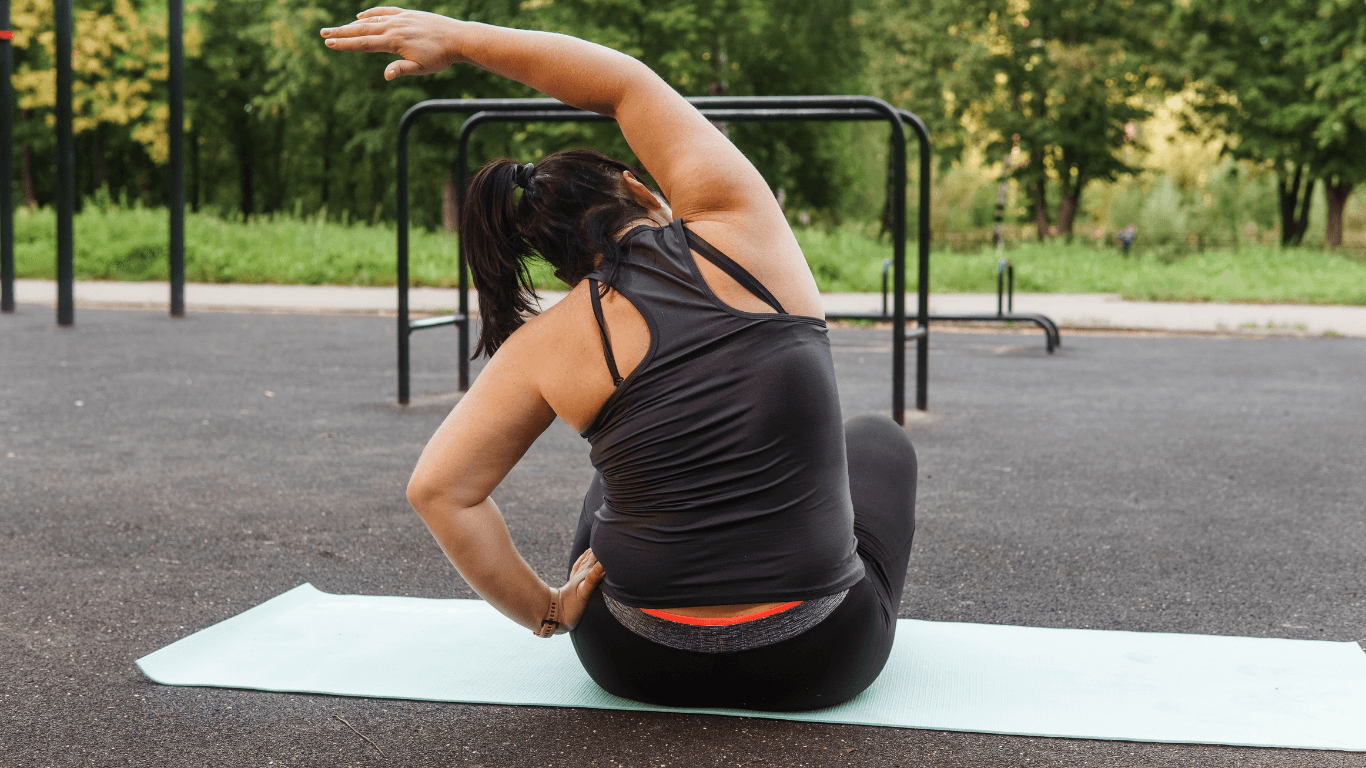
Gentle movement is essential. Prolonged bed rest often makes symptoms worse, while light walking or stretching helps tissues heal and prevents stiffness. Many people find relief from simple stretches that target the lower back, hips, and hamstrings. Listening to your body is important—movement should not cause sharp or worsening pain.
You might interest in: Lumbar Stenosis vs. Other Spine Conditions: Key Differences Explained
Medical Treatments and Interventions
If symptoms do not improve, your doctor may discuss additional options. Prescription medications can help reduce inflammation or muscle spasms. Steroid injections may calm irritated nerves and reduce pain that radiates into the legs. In chronic cases, advanced options such as nerve blocks or spinal cord stimulation may be considered.
Surgery is reserved for specific situations, such as severe spinal stenosis, persistent disc herniation, or structural instability. When appropriate, modern surgical techniques can relieve pressure on nerves and improve quality of life, but they are only recommended when conservative treatments have not been successful.
Physical Therapy and Rehabilitation
Physical therapy is one of the most effective long-term treatments for lower back pain. A therapist teaches you exercises that strengthen the core muscles supporting your spine, improve flexibility, and retrain your posture. These sessions not only reduce current symptoms but also prevent future flare-ups. Therapists may also use manual therapy, ultrasound, or electrical stimulation to help reduce pain during the recovery process.
Lifestyle Modifications and Prevention
Sustaining a healthy back requires ongoing attention to your daily habits. Proper posture during work, driving, and screen use reduces strain on the spine. Choosing supportive seating, using lumbar cushions, and adjusting the height of your workstation can make a significant difference.
Maintaining a healthy weight helps ease pressure on the spine. Staying active through low-impact exercise—such as walking or swimming—keeps the muscles surrounding the spine strong and flexible. Avoiding smoking is also important, as it limits blood flow to spinal tissues and slows healing.
Preventing lower back pain is a long-term commitment, but the right habits can dramatically reduce your risk of recurrence.
Frequently Asked Questions
What medication works best for lower back pain?
Nonsteroidal anti-inflammatory drugs such as ibuprofen or naproxen help reduce inflammation and pain. Acetaminophen can ease discomfort for those who cannot take NSAIDs. Prescription options may be recommended for more severe symptoms, but medication should always be used under a doctor’s guidance.
Can stretching help relieve lower back pain?
Yes. Gentle stretching improves flexibility, reduces muscle tension, and enhances circulation. Movements such as knee-to-chest stretches, pelvic tilts, and hamstring stretches are commonly recommended. Proper technique is important, so stopping if pain increases is essential.
When is lower back pain a sign of something serious?
You should seek medical care immediately if your pain is accompanied by leg weakness, numbness, difficulty walking, fever, unexplained weight loss, or problems controlling your bladder or bowels. These symptoms may indicate nerve compression or a medical condition requiring prompt treatment.
Can kidney issues cause lower back pain?
Kidney stones or infections can produce pain that feels like it comes from the lower back. This pain is usually felt on one side, below the ribs, and may be accompanied by fever, nausea, or changes in urination. If you suspect kidney involvement, medical evaluation is important.
Finding Long-Term Relief for Lower Back Pain
Lower back pain can disrupt your daily life, limit mobility, and slowly erode your quality of living. But with the right diagnosis, personalized treatment, and consistent follow-up, real and lasting relief is possible.
Under the care of Dr. Max Greig, patients receive an evidence-based, compassionate approach that addresses not just the symptoms but the true cause of their discomfort. With expert guidance and a tailored recovery plan, you can move forward with confidence, regain function, and return to the active, pain-free life you deserve.