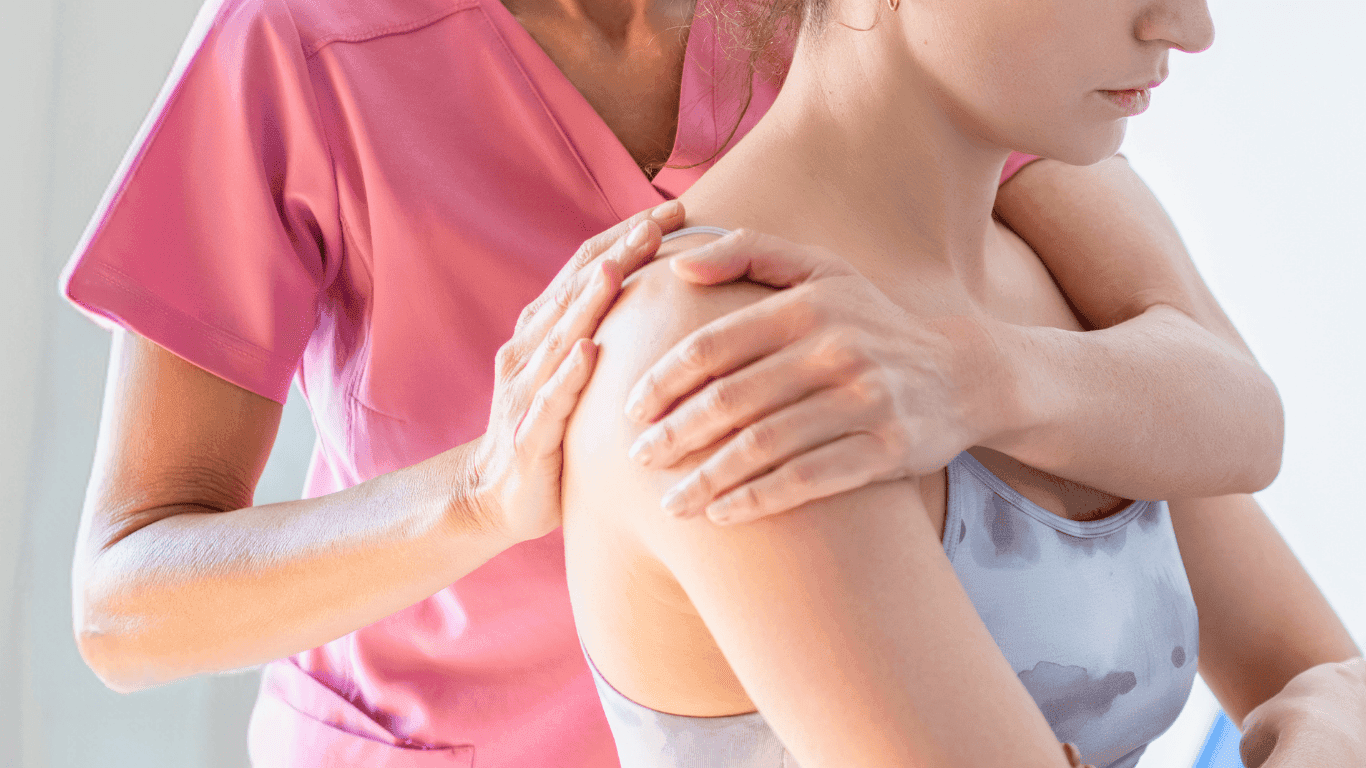
Recovering from shoulder surgery after a rotator cuff repair is not something that happens overnight. It is a carefully structured process that requires patience, dedication, and the right medical guidance. For many patients, the hardest part is not the surgery itself but navigating the months that follow—figuring out what movements are safe, how to manage pain, and when they can expect to feel normal again.
At Dr. Max Greig’s orthopedic practice in Puerto Vallarta, the recovery journey is seen as a partnership. We provide each patient with a clear, step-by-step roadmap that explains what happens during the first days after surgery, how the tendon heals, and what milestones to expect along the way. When patients understand the timeline, they feel empowered rather than overwhelmed.
Most individuals regain comfort and function progressively, with the tendon requiring at least 12 to 16 weeks to heal securely to the bone. Complete recovery may take between six and twelve months, depending on age, general health, tear size, tissue quality, and consistency with rehabilitation.
In this comprehensive guide, we’ll explore the full journey—from the basics of the rotator cuff and surgery itself to the detailed recovery timeline, pain management strategies, rehabilitation protocols, and the factors that determine how quickly each patient returns to daily life.
Understanding Rotator Cuff Repair Shoulder Surgery
The Role of the Rotator Cuff in Shoulder Function
The rotator cuff is made up of four muscles and their tendons: supraspinatus, infraspinatus, teres minor, and subscapularis. Together, they keep the ball of the upper arm bone firmly centered in the shoulder socket while allowing essential movements such as lifting the arm, rotating the shoulder, and stabilizing the joint.
When the rotator cuff is damaged, even basic tasks like reaching for a shelf, lifting a grocery bag, or combing your hair can become painful or impossible. Without repair, the damage may worsen over time, leading to chronic weakness and reduced mobility.
Traumatic Tears: When Injuries Happen Suddenly
A traumatic tear often occurs in younger or active individuals after a specific event, such as falling on an outstretched arm or attempting to lift something heavy. The pain is usually sharp and immediate, accompanied by weakness and sometimes an audible pop. These tears often require surgery because the tendon completely detaches from the bone.
Overuse and Repetitive Motion: A Slow Breakdown
Athletes and workers who perform repetitive overhead motions—such as pitchers, swimmers, painters, or construction workers—are prone to gradual tendon wear. This type of injury develops silently, beginning with inflammation (tendonitis) and small frays in the tendon. If left untreated, it can progress to a full-thickness tear that significantly limits shoulder strength.
Age-Related Degeneration: Why Tendons Weaken Over Time
For many patients, a rotator cuff tear is not the result of one dramatic accident but decades of use. Tendons naturally lose blood supply and elasticity as we age. This makes them more fragile and susceptible to injury even with normal daily activities. After age 60, the likelihood of developing a tear increases sharply, even in individuals who are not athletes.
Types of Rotator Cuff Injuries
Rotator cuff injuries vary in severity. Tendonitis involves inflammation without tearing, often causing dull, nagging pain. A partial tear occurs when the tendon is damaged but still attached, leading to weakness and limited mobility. A full-thickness tear means the tendon has detached completely from the bone, usually requiring surgery to restore shoulder function.
Surgical Options for Rotator Cuff Repair
When non-surgical treatments such as physical therapy, injections, or medication are no longer effective, surgery becomes the best path to recovery. Dr. Max Greig specializes in arthroscopic rotator cuff repair, a minimally invasive procedure performed with a small camera and instruments inserted through tiny incisions. This approach reduces scarring, decreases infection risk, and often allows faster early recovery compared to traditional open surgery.
In certain cases, mini-open or open repair may be required, especially for large or complex tears. However, most patients benefit from the less invasive arthroscopic technique.
Rotator Cuff Repair Shoulder Surgery Recovery Timeline
Healing after rotator cuff repair surgery follows predictable biological stages. While every recovery is unique, most patients experience similar phases that move from protection to mobility, then strength, and finally full return to activity.
Phase 1: Immediate Postoperative Period (Weeks 0–2)
The first two weeks are dedicated to protecting the repair and managing pain. Patients typically wear a sling at all times, with the arm positioned slightly away from the body to relieve stress on the tendon. Ice packs or cryotherapy devices help reduce swelling, while prescribed pain medications provide comfort during the most intense postoperative days.
Sleep can be difficult at this stage, and many patients rest in a reclined position or with pillows for support. Simple hand, wrist, and elbow movements are encouraged to maintain circulation and prevent stiffness, but the shoulder itself must remain immobilized.
Phase 2: Early Recovery and Passive Motion (Weeks 3–6)
By the third week, the focus shifts toward gentle mobility without stressing the healing tendon. Passive range-of-motion exercises are introduced, meaning a therapist—or sometimes the opposite arm—moves the surgical arm through controlled arcs.
The sling remains necessary most of the time, but short periods out of it may be allowed during supervised therapy. Patients are reminded to avoid lifting, pushing, pulling, or sudden arm movements. In some cases, aquatic therapy is introduced, where the buoyancy of water supports safe, pain-free motion.
Phase 3: Active Motion and Initial Strengthening (Weeks 7–12)
Around the seventh week, patients begin using their shoulder muscles to move the arm independently. This transition to an active range of motion is a significant milestone. The sling is typically discontinued, though patients are advised to protect the arm in crowded or risky environments.
Light strengthening begins with isometric exercises, resistance bands, and, later, very small weights. The emphasis is on activating shoulder muscles without overloading the healing tendon. Daily activities such as dressing or preparing light meals become easier, although lifting and overhead tasks remain restricted.
Phase 4: Advanced Strengthening and Functional Recovery (Months 3–6)
As healing progresses, exercises focus on rebuilding strength, endurance, and coordination. Rehabilitation now targets not only the rotator cuff but also the surrounding stabilizing muscles of the shoulder blade and upper back.
Desk workers may return to full professional activity earlier, while athletes or manual laborers usually require a longer period before resuming demanding physical tasks. Functional training mimics real-life movements, ensuring the shoulder can handle specific job or sport requirements.
Phase 5: Full Return to Activity (6–12 Months)
The final stage is when patients transition back to unrestricted activities. By this point, the tendon has achieved substantial healing strength. Clearance from Dr. Max and the physical therapy team is essential before returning to contact sports, heavy lifting, or intense overhead activity.
For many patients, this phase is marked by a sense of freedom: being able to lift, carry, and reach without pain, and regaining confidence in the shoulder’s stability.
Pain Management and Comfort Strategies
Medications and Anti-Inflammatories
Dr. Max’s team prescribes a multimodal pain management plan tailored to each patient. Short courses of opioids may be used immediately after surgery but are tapered quickly. Most patients transition to acetaminophen or NSAIDs once the initial pain subsides, unless contraindicated.
Cold Therapy for Swelling
Cold therapy, whether through ice packs or advanced cryotherapy systems, is especially effective in the first two weeks. Applying cold several times a day reduces inflammation and improves comfort.
Sleep and Positioning
Resting in a recliner or propped-up position prevents strain on the surgical shoulder. Patients are advised to use pillows for support and to avoid lying flat or rolling onto the operated side. As recovery advances, they gradually return to more natural sleeping positions.
Physical Therapy and Rehabilitation
The Therapist’s Role in Recovery
At Dr. Max’s practice, physical therapists play a central role. They design personalized programs that balance tendon protection with the need to restore mobility. They also teach patients how to perform safe daily activities, reducing anxiety about re-injury.
Rehabilitation Stages in Detail
- Early immobilization and gentle passive motion (0–4 weeks).
- Active-assisted motion and sling weaning (4–6 weeks).
- Independent active motion and light strengthening (6–12 weeks).
- Advanced strengthening and functional training (12+ weeks).
This progression ensures that healing is not rushed, while also preventing long-term stiffness. Patients who commit to therapy consistently make the most successful recoveries.
Factors Influencing Recovery
Patient Age and Health
Younger patients with good overall health typically heal faster. Conditions such as diabetes, obesity, or smoking can delay tendon healing and increase the risk of re-tear.
Tear Severity and Tissue Quality
Small, partial tears heal more quickly than massive or complex ones. Tissue that has fatty degeneration or poor blood supply may require extended recovery periods.
Surgical Technique
Arthroscopic repair generally offers smaller incisions, less pain, and faster early recovery compared to open surgery. However, the technique chosen depends on tear complexity.
Rehabilitation Commitment
The single most important factor under the patient’s control is adherence to therapy. Consistent exercise, proper posture, and respect for restrictions significantly shorten the timeline and improve long-term outcomes.
Returning to Daily Activities
Work and Professional Duties
Patients with desk jobs may return in two to six weeks, provided they can work with the arm supported. Those with physically demanding jobs may need three to six months before resuming full duties.
Driving and Transportation
Driving is typically safe after four to six weeks, once the sling is discontinued and the patient can move the arm comfortably. Patients must demonstrate safe control of the wheel before returning to the road.
Household Tasks
Light activities like dressing, eating, or light cooking are possible early with modifications. However, pushing from a chair, carrying grocery bags, or lifting heavy objects should be avoided until the tendon is strong enough, usually after three to four months.
Frequently Asked Questions
How long does it take to fully recover from shoulder surgery?
Most patients regain significant function in four to six months, but full tendon healing may continue up to twelve months.
What should I expect in the first two weeks?
The arm remains in a sling, swelling is common, and sleep is often challenging. Gentle hand and elbow movements are encouraged, but shoulder use is restricted.
Will pain last for months?
Pain is usually most intense during the first week and then decreases steadily. Mild soreness and stiffness can linger but improve with therapy.
When can I return to sports?
Low-impact sports may resume at four to six months, while overhead or contact sports usually require six to twelve months.
Is surgery always necessary for a rotator cuff tear?
Not always. Small tears with mild symptoms may be managed with physical therapy, medication, and activity modifications. But larger tears or persistent pain often require surgery for lasting improvement.
Why Patients Choose Shoulder Surgery With Dr. Max Greig
Patients from the U.S., Canada, and beyond travel to Puerto Vallarta for shoulder surgery with Dr. Max Greig because of his unique background and trusted expertise. He has performed more than 5,000 successful orthopedic surgeries and trained internationally in Mexico, Germany, and the United States.
Dr. Max’s practice is known for:
- Personalized treatment plans tailored to each patient’s lifestyle and goals.
- State-of-the-art facilities at CMQ Hospitals in Puerto Vallarta.
- Bilingual staff providing seamless support for international patients.
- Significant cost savings compared to U.S. and Canadian healthcare systems.
- Compassionate care where every patient is treated like family.
Testimonials from past patients emphasize not only the quality of the surgical results but also the warmth and dedication of Dr. Max’s team throughout recovery.
Final Thoughts
Recovering from rotator cuff repair shoulder surgery is a structured journey that unfolds in stages. From the early weeks of immobilization to the return of strength and full activity, success depends on patience, rehabilitation, and the guidance of an experienced surgical team.
With Dr. Max Greig, patients receive more than medical treatment—they receive a partnership. From the first consultation to the final stages of rehabilitation, every detail is designed to support healing, restore function, and help patients return to the activities they love.
By committing to the process and trusting the timeline, patients can expect not just relief from pain, but long-lasting improvement in mobility and quality of life.