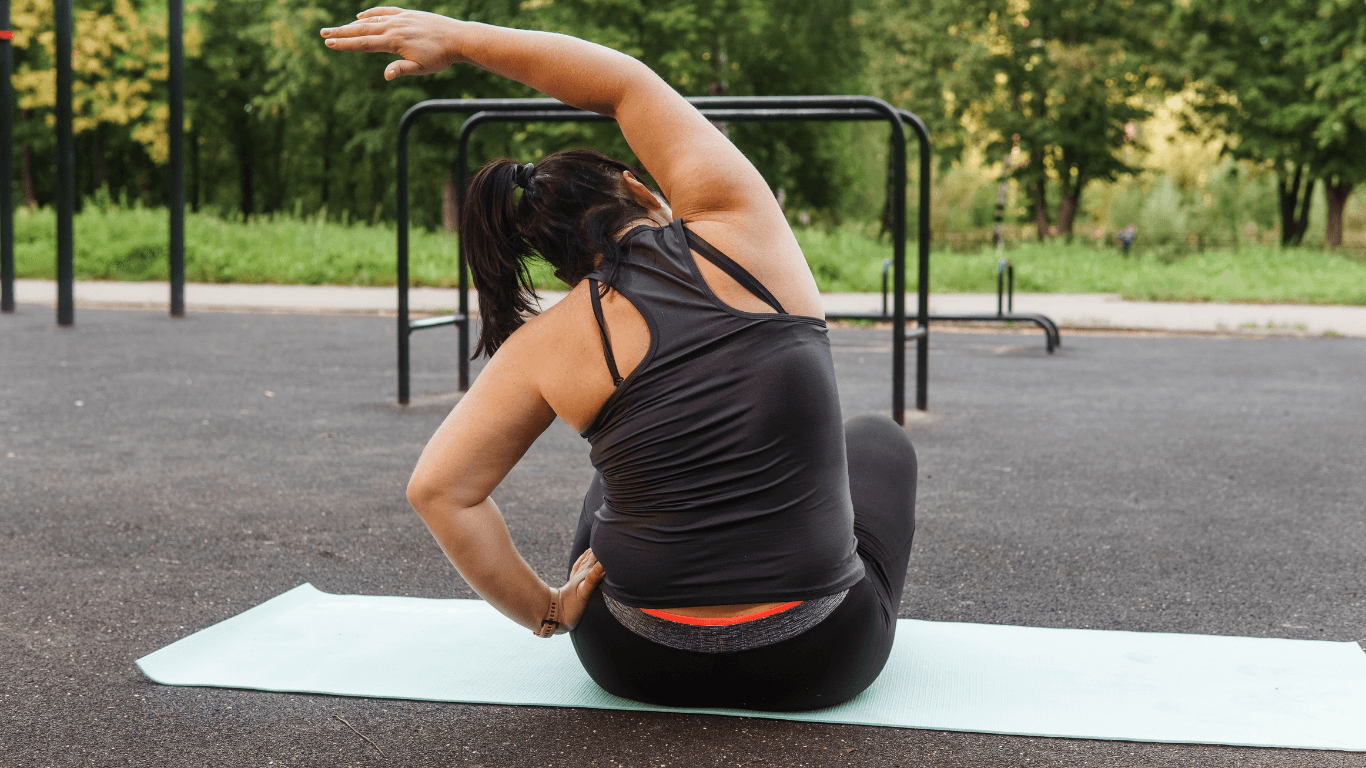
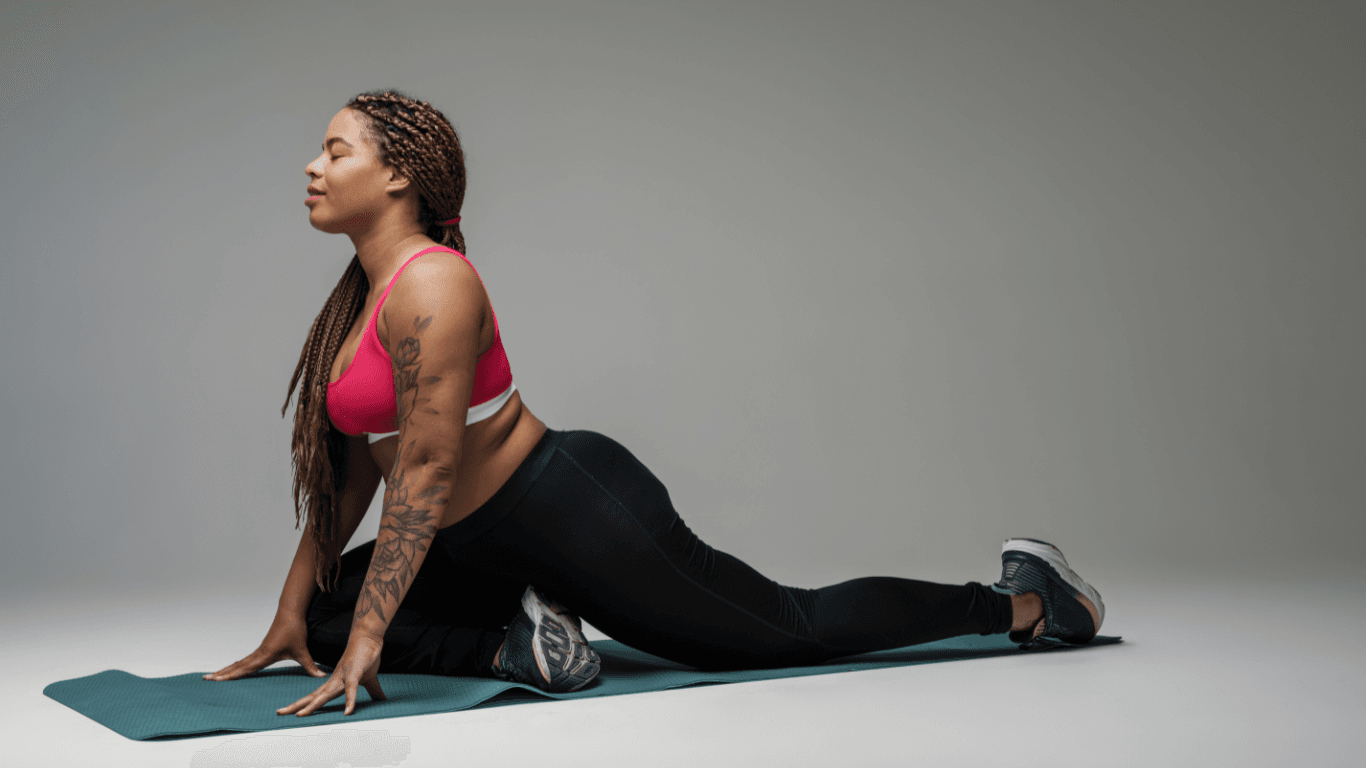
Lower back pain has a quiet way of creeping into everyday life. It can start as a mild discomfort after a long day and slowly evolve into something that limits how you move, sleep, and even enjoy time with loved ones. For many people, it becomes a constant reminder that something isn’t quite right in the body.
The good news is that your body is incredibly resilient. With the right care, guidance, and movement, you can begin to relieve tension and restore mobility. Gentle, targeted stretches for lower back pain are often one of the most effective first steps toward feeling better, without medication or invasive treatments.
At Dr. Max Greig’s practice, patients often arrive feeling frustrated and uncertain, but they leave with clarity, relief, and a renewed sense of control. His approach focuses not only on advanced orthopedic care but also on empowering patients with simple, effective strategies they can use daily.
If you’ve been searching for ways to ease discomfort and move more freely, this guide will walk you through doctor-approved stretches for lower back relief, designed to help you reconnect with your body and start feeling like yourself again.
Understanding Lower Back Pain
Why the Lower Back Is So Vulnerable
The lower back, or lumbar spine, supports much of your body’s weight while allowing flexibility for movement. This combination of strength and mobility makes it particularly prone to strain. Poor posture, prolonged sitting, muscle imbalances, and age-related degeneration can all contribute to discomfort.
When muscles become tight or weak, they place additional stress on the spine. This is where stretches for lower back pain become essential—they help release tension, improve flexibility, and restore balance.
Common Causes of Lower Back Pain
Lower back pain doesn’t always come from a single source. It can be caused by muscle strain, herniated discs, spinal stenosis, or even tight hips and hamstrings pulling on the pelvis. In many cases, a sedentary lifestyle plays a significant role, leading to stiffness and reduced mobility over time.
When Stretching Helps—and When It Doesn’t
Stretching is most effective for muscular tension and mild to moderate discomfort. However, if pain is severe, persistent, or accompanied by symptoms like numbness or weakness, it’s important to seek professional evaluation. At Dr. Max Greig’s clinic, patients receive personalized assessments to determine the safest and most effective treatment plan.
Benefits of Stretching for Lower Back Pain
Improves Flexibility and Mobility
One of the primary benefits of stretching is increased flexibility. Tight muscles restrict movement and place extra strain on the lower back. Regular stretching helps lengthen these muscles, allowing the spine to move more naturally.
Reduces Muscle Tension
Chronic tension in the lower back muscles can lead to stiffness and discomfort. Gentle stretching encourages relaxation and improves blood flow, which supports healing and reduces pain.
Enhances Posture
Poor posture is a leading contributor to lower back pain. Stretching helps correct imbalances, particularly in the hips and hamstrings, which can pull the spine out of alignment.
Supports Long-Term Pain Relief
Consistency is key. Incorporating stretches for the lower back into your daily routine can help prevent recurring pain and support overall spinal health.
Best Stretches for Lower Back Pain Relief
Knee-to-Chest Stretch
This stretch gently elongates the lower back and relieves tension.
Lie on your back with your knees bent and feet flat on the floor. Slowly bring one knee toward your chest, holding it with both hands. Keep your other foot grounded. Hold for several seconds before switching sides.
You should feel a gentle stretch in the lower back and hips. This is one of the simplest and most effective stretches for lower back pain relief.
Cat-Cow Stretch
This dynamic movement improves flexibility and promotes spinal mobility.
Begin on your hands and knees. As you inhale, arch your back and lift your head and tailbone. As you exhale, round your spine and tuck your chin toward your chest.
This rhythmic motion helps relieve stiffness and encourages healthy movement patterns.
Child’s Pose
A restorative stretch that gently decompresses the spine.
From a kneeling position, sit back on your heels and extend your arms forward, lowering your torso toward the ground. Allow your forehead to rest on the floor.
This stretch is particularly helpful for relaxing the lower back after a long day.
Seated Forward Fold
This stretch targets the hamstrings, which are closely connected to lower back health.
Sit with your legs extended in front of you. Slowly hinge forward from your hips, reaching toward your toes. Keep your back as straight as possible.
Tight hamstrings can pull on the pelvis and contribute to discomfort, so this is a key movement in any routine of stretches for lower back.
Pelvic Tilt
A subtle but powerful exercise for strengthening and stretching the lower back.
Lie on your back with your knees bent. Gently flatten your lower back against the floor by tightening your abdominal muscles and tilting your pelvis upward. Hold briefly, then release.
This movement helps improve core stability while reducing strain on the lower back.
Figure-Four Stretch
This stretch targets the hips and glutes, which often contribute to lower back pain.
Lie on your back and cross one ankle over the opposite knee. Gently pull the uncrossed leg toward your chest.
You’ll feel a stretch in the hip and glute area, helping to relieve tension that can affect the lower back.
How to Perform Stretches Safely
Listen to Your Body
Stretching should never cause sharp or intense pain. Mild discomfort is normal, but anything beyond that is a sign to stop. Move slowly and with control.
Stay Consistent
Consistency matters more than intensity. Practicing these stretches for lower back pain daily, even for a few minutes, can lead to significant improvements over time.
Breathe Deeply
Proper breathing enhances the effectiveness of stretching. Inhale deeply as you prepare for the stretch, and exhale as you move into it. This helps relax muscles and deepen the stretch safely.
Warm Up First
Cold muscles are more prone to injury. A brief walk or light activity before stretching can prepare your body and improve results.
When to Seek Professional Help
While stretching is highly beneficial, it’s not a cure-all. Persistent or worsening pain may indicate an underlying condition that requires medical attention.
Dr. Max Greig specializes in diagnosing and treating complex orthopedic issues, offering patients a combination of advanced medical expertise and compassionate care. For those dealing with chronic lower back pain, a professional evaluation can provide clarity and a path forward.
Building a Daily Stretching Routine
Creating a routine doesn’t have to be complicated. Start with two or three stretches and gradually add more as your flexibility improves. Aim to spend 10–15 minutes each day focusing on your lower back and surrounding muscles.
Over time, these small efforts can lead to meaningful changes in how you feel and move.
FAQ Section
What are the best stretches for lower back pain relief?
The most effective stretches include the knee-to-chest stretch, cat-cow, child’s pose, and figure-four stretch. These target key muscle groups that influence lower back health and help reduce tension.
How often should I do stretches for lower back pain?
Ideally, you should perform stretches for lower back daily. Even a short routine can improve flexibility and reduce discomfort over time.
Can stretching make lower back pain worse?
If done incorrectly or too aggressively, stretching can worsen pain. Always move gently and stop if you feel sharp discomfort. If pain persists, consult a specialist like Dr. Max Greig.
How long does it take to see results from stretching?
Some people feel relief immediately, while others may notice gradual improvement over a few weeks. Consistency is the key to long-term benefits.
The First Step Toward a Pain-Free Life
Living with lower back pain can feel limiting, but it doesn’t have to define your daily life. With the right approach, including consistent stretches for lower back pain, you can begin to restore comfort, mobility, and confidence in your body.
At Dr. Max Greig’s practice, patients are guided every step of the way—from understanding the root cause of their pain to finding effective, personalized solutions. His commitment to compassionate, world-class care ensures that every patient feels supported and empowered.
If your pain persists or you’re ready to explore a more comprehensive solution, don’t wait. Take the next step toward lasting relief and reclaim the active, fulfilling life you deserve.