Knee pain has a way of quietly entering your life and then suddenly taking over everything. One day you’re walking comfortably, climbing stairs, or enjoying your favorite activities, and the next, every movement feels like a reminder that something isn’t right. It can be frustrating, even frightening, especially when you don’t know the cause.
For many people, especially adults over 55, knee pain isn’t just physical, it’s emotional. It affects independence, confidence, and the simple joy of moving freely. You may start asking yourself: Is this just aging, or is something more serious happening?
The good news is that knee pain is incredibly common, and in many cases, it’s treatable. Understanding the root cause is the first step toward relief. Whether the discomfort is mild or severe, temporary or chronic, there’s always a reason behind it, and often, a solution.
At the heart of compassionate orthopedic care, specialists like Dr. Max Greig understands that knee pain isn’t just about joints and cartilage it’s about helping people reclaim their lives. In this guide, we’ll explore the most common reasons behind the question: why does my knee hurt, and when it’s time to seek professional help.
Understanding Knee Pain: Why Does My Knee Hurt?
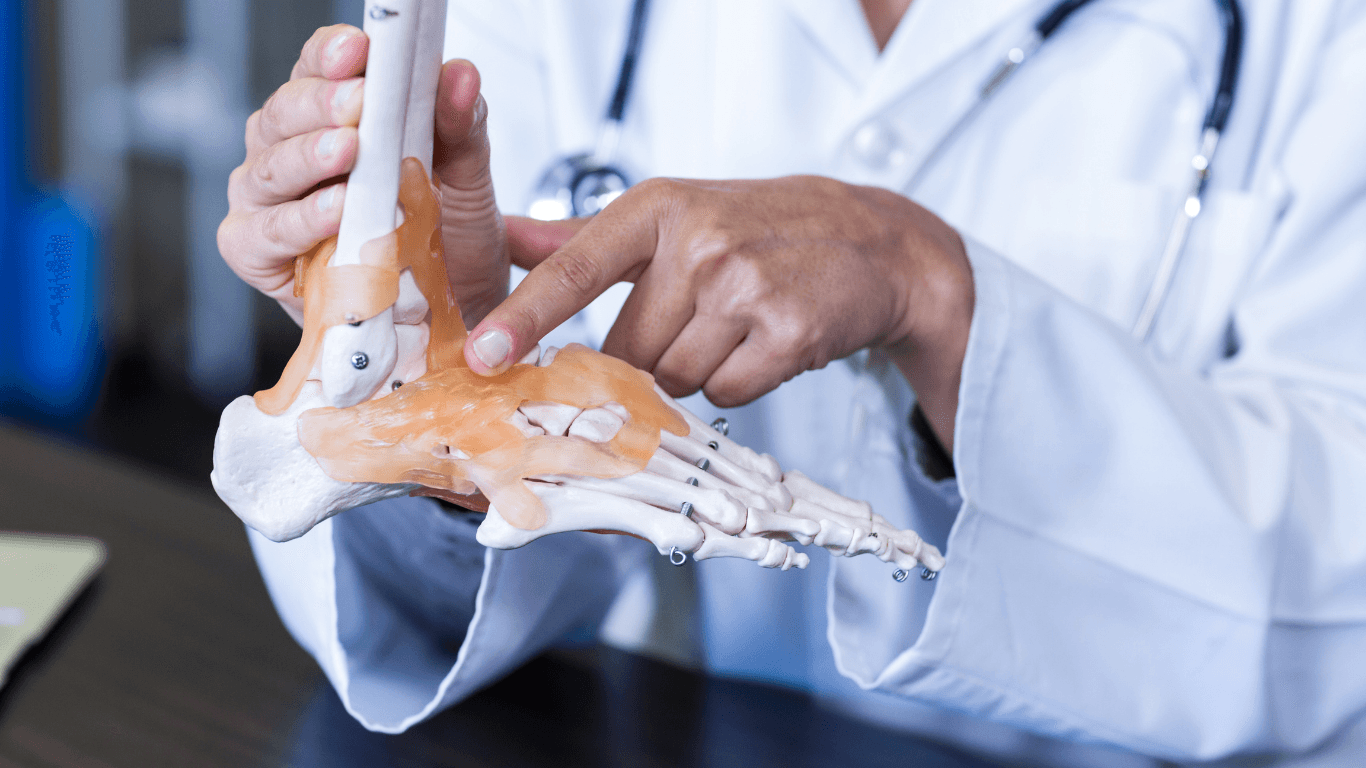
The knee is one of the most complex joints in the body. It connects the thigh bone to the shin bone and relies on a network of ligaments, tendons, cartilage, and muscles to function properly. Because it supports much of your body weight and absorbs impact during movement, it’s highly vulnerable to injury and wear.
When you ask why my knee hurts, the answer can vary widely depending on your age, activity level, and medical history. Pain can develop suddenly due to an injury or gradually over time due to degeneration. It may feel sharp, dull, stiff, or swollen, and each type of sensation offers clues about the underlying issue.
Understanding these causes can help you take the right next step, whether that’s rest, lifestyle changes, or consulting a specialist.
The Most Common Causes of Knee Pain
Osteoarthritis: The Leading Cause of Chronic Knee Pain
Osteoarthritis is one of the most frequent answers to the question why does my knee hurt, especially for adults over 50. It occurs when the cartilage that cushions the knee joint gradually wears down, leading to bone-on-bone friction.
This condition develops slowly and often worsens over time. You may notice stiffness in the morning, pain after activity, or a grinding sensation when moving the joint. Swelling and reduced flexibility are also common.
While osteoarthritis cannot be reversed, it can be effectively managed. Treatments range from physical therapy and medication to advanced surgical options when necessary. Early intervention can significantly improve quality of life.
Ligament Injuries: Sudden Pain After Movement
If your knee pain started suddenly after a twist, fall, or awkward movement, a ligament injury may be the cause. The knee contains several important ligaments, including the ACL, MCL, and PCL, which stabilize the joint.
Injuries to these ligaments are common in sports but can also happen during everyday activities. Symptoms often include swelling, instability, and difficulty bearing weight.
Even minor ligament damage can impact mobility, so proper diagnosis is essential. In more severe cases, surgical repair may be required to restore full function.
Meniscus Tears: A Common Yet Overlooked Issue
The meniscus is a piece of cartilage that acts as a cushion between the bones in your knee. A tear in this structure is a frequent cause of pain, particularly in older adults where the cartilage becomes more fragile.
Meniscus tears can occur suddenly or develop over time. You might feel a popping sensation, followed by pain, swelling, or difficulty fully extending the knee.
Because symptoms can overlap with other conditions, imaging tests are often needed to confirm the diagnosis. Treatment varies depending on the severity, ranging from rest and therapy to minimally invasive surgery.
Tendinitis: Pain from Overuse
Tendinitis occurs when the tendons around the knee become inflamed due to overuse. This condition is common in people who engage in repetitive activities such as walking long distances, cycling, or climbing stairs.
The pain is usually localized and worsens with activity. Unlike injuries, tendinitis develops gradually and may feel like a persistent ache rather than a sharp pain.
Rest, physical therapy, and targeted exercises can often resolve this issue. However, ignoring the symptoms can lead to chronic discomfort.
Bursitis: Swelling and Sensitivity
Bursae are small fluid-filled sacs that reduce friction in the knee joint. When these sacs become inflamed, it leads to bursitis.
This condition often causes swelling, warmth, and tenderness around the knee. It may be triggered by prolonged kneeling, repetitive motion, or direct pressure on the joint.
Bursitis can usually be managed with rest and anti-inflammatory treatments, but persistent cases may require medical attention.
Patellofemoral Pain Syndrome: Pain Around the Kneecap
Often referred to as “runner’s knee”, this condition causes pain around the front of the knee, particularly near the kneecap. It’s a common answer to why does my knee hurt among active individuals and those with alignment issues.
The pain tends to worsen when climbing stairs, squatting, or sitting for long periods. It’s often related to improper tracking of the kneecap within the joint.
Strengthening exercises and proper movement techniques can significantly reduce symptoms.
Injuries from Daily Wear and Tear
Not all knee pain comes from a single event. Over time, small stresses on the joint can accumulate, leading to discomfort and reduced mobility.
This type of pain is common in individuals who have spent years standing, walking, or performing physically demanding tasks. It may start as mild discomfort and gradually become more persistent.
Recognizing these early signs can help prevent more serious conditions from developing.
When Should You Be Concerned About Knee Pain?
It’s normal to experience occasional knee discomfort, but certain symptoms should not be ignored. Persistent pain that lasts for weeks, swelling that doesn’t improve, or difficulty walking are all signs that something more serious may be happening.
If your knee feels unstable, locks, or prevents you from performing daily activities, it’s time to seek professional evaluation. Waiting too long can worsen the condition and limit treatment options.
Specialists like Dr. Max Greig focus on identifying the root cause quickly and providing personalized treatment plans. With the right care, many patients can avoid long-term complications and return to an active lifestyle.
How Knee Pain Is Diagnosed
Diagnosing knee pain involves a combination of physical examination, medical history, and imaging tests. A specialist will assess your range of motion, stability, and areas of tenderness.
X-rays are often used to detect bone-related issues such as arthritis, while MRI scans provide detailed images of soft tissues like ligaments and cartilage.
Accurate diagnosis is essential because treatment varies significantly depending on the cause. What works for arthritis may not be effective for a ligament injury, and vice versa.
Treatment Options: Finding Relief from Knee Pain
Treatment depends on the underlying cause and severity of the condition. In many cases, non-surgical approaches are effective.
Physical therapy plays a key role in strengthening the muscles around the knee and improving stability. Medications can help reduce pain and inflammation, while lifestyle changes such as weight management can reduce stress on the joint.
For more advanced conditions, surgical options may be recommended. Modern techniques are often minimally invasive, allowing for faster recovery and improved outcomes.
Dr. Max Greig’s approach combines advanced surgical expertise with compassionate care, ensuring that each patient receives treatment tailored to their needs and goals.
Preventing Knee Pain: What You Can Do Today
While not all knee pain can be prevented, there are steps you can take to reduce your risk.
Maintaining a healthy weight is one of the most effective ways to protect your knees. Regular exercise helps strengthen supporting muscles, while proper footwear can improve alignment and reduce strain.
Listening to your body is equally important. Pain is often an early warning sign, and addressing it promptly can prevent more serious issues.
FAQ: Why Does My Knee Hurt?
What is the most common reason why my knee hurts?
The most common cause is osteoarthritis, especially in older adults. It results from the gradual breakdown of cartilage in the joint.
Can knee pain go away on its own?
Yes, minor knee pain caused by overuse or mild strain can improve with rest and proper care. However, persistent pain should be evaluated by a specialist.
When should I see a doctor for knee pain?
You should seek medical attention if the pain lasts more than a few weeks, worsens over time, or interferes with daily activities.
Is surgery always necessary for knee pain?
No, many cases can be treated without surgery. Physical therapy, medication, and lifestyle changes are often effective. Surgery is typically reserved for more severe conditions.
Take the First Step Toward Pain-Free Movement
Living with knee pain can feel limiting, but it doesn’t have to define your life. Understanding why my knee hurts is the first step toward finding real, lasting relief. Whether the cause is arthritis, injury, or overuse, the right treatment can restore comfort and mobility.
Dr. Max Greig believes that everyone deserves access to world-class orthopedic care that feels personal, compassionate, and effective. With decades of experience and a commitment to patient-centered treatment, he helps individuals move beyond pain and back into the life they love.
If your knee pain is holding you back, now is the time to act. Don’t wait for it to worsen. Reach out, ask questions, and explore your options. The path to recovery may be closer, and more accessible, than you think.