
Back pain has a way of creeping into daily life, quietly at first, then all at once. It shows up when you sit too long, when you wake up stiff, or when even simple movements start to feel like a chore. For many people, it’s not just physical discomfort, it’s frustration, fatigue, and a sense that your body is working against you instead of for you.
The good news is that relief doesn’t always require complex treatments or expensive interventions. Sometimes, the most effective solutions are simple, consistent, and accessible. Back stretches, when done correctly and regularly, can restore mobility, reduce tension, and help you reconnect with your body in a positive way.
This guide is designed to cut through the noise. Instead of overwhelming you with endless options, it focuses on back stretches that actually work, grounded in practical application and real-world effectiveness. Whether you’re dealing with mild stiffness or persistent discomfort, these techniques can help you take control of your recovery at home.
Guided by principles often emphasized by professionals like Dr Max Greig, this article aims to empower you with clear, actionable steps. Because relief shouldn’t feel complicated, and your path to feeling better should start today.
Why Back Stretches Matter for Pain Relief
Back pain often stems from a combination of muscle tightness, poor posture, and limited mobility. When muscles become stiff, they restrict movement and place additional strain on surrounding structures. Over time, this imbalance can lead to discomfort that feels constant and difficult to manage.
Back stretches work by gently lengthening tight muscles, improving circulation, and restoring natural movement patterns. This isn’t just about temporary relief. With consistency, stretching can help correct underlying issues that contribute to pain in the first place.
Another important benefit is nervous system regulation. Stretching signals the body to relax, reducing tension that may have built up due to stress or prolonged inactivity. This is why many people notice not only physical relief but also a sense of calm after a good stretching session.
When practiced regularly, these movements can transform how your body feels throughout the day. Instead of reacting to pain, you begin to prevent it.
Understanding the Root Causes of Back Pain
Muscle Imbalance and Tightness
One of the most common causes of back discomfort is uneven muscle tension. Tight hamstrings, hip flexors, and lower back muscles can pull the spine out of alignment, creating strain. Back stretches help restore balance by targeting these key areas.
Sedentary Lifestyle
Modern life often involves long hours of sitting, whether at a desk or on a couch. This lack of movement leads to stiffness and reduced flexibility. Over time, the body adapts to this limited range of motion, making everyday activities feel harder.
Poor Posture
Slouching or hunching forward places excessive pressure on the spine. Without intervention, this can lead to chronic pain. Stretching helps counteract these patterns by opening up tight areas and encouraging better alignment.
Stress and Tension
Emotional stress often manifests physically, especially in the back and shoulders. Stretching provides a simple yet powerful way to release this built-up tension.
Back Stretches That Actually Work
Cat-Cow Stretch
The cat-cow stretch is one of the most effective movements for improving spinal mobility. It involves gently alternating between arching and rounding the back, creating a flowing motion that loosens stiffness.
This stretch is particularly useful in the morning or after long periods of sitting. It helps wake up the spine and encourages natural movement.
Child’s Pose
Child’s pose is a restorative stretch that targets the lower back pain while promoting relaxation. By folding forward and extending the arms, you create space along the spine and release tension.
This stretch is ideal when your back feels tight or fatigued. It also supports deeper breathing, which enhances its calming effect.
Knee-to-Chest Stretch
Bringing one or both knees toward the chest helps stretch the lower back and glutes. This movement is simple but highly effective for relieving pressure in the lumbar region.
Holding this position for a few breaths allows the muscles to relax gradually, making it easier to release tension.
Seated Forward Fold
The seated forward fold stretches the entire posterior chain, including the lower back and hamstrings. Tight hamstrings are a common contributor to back pain, so addressing them can make a noticeable difference.
It’s important to move gently and avoid forcing the stretch. The goal is gradual improvement, not immediate intensity.
Spinal Twist
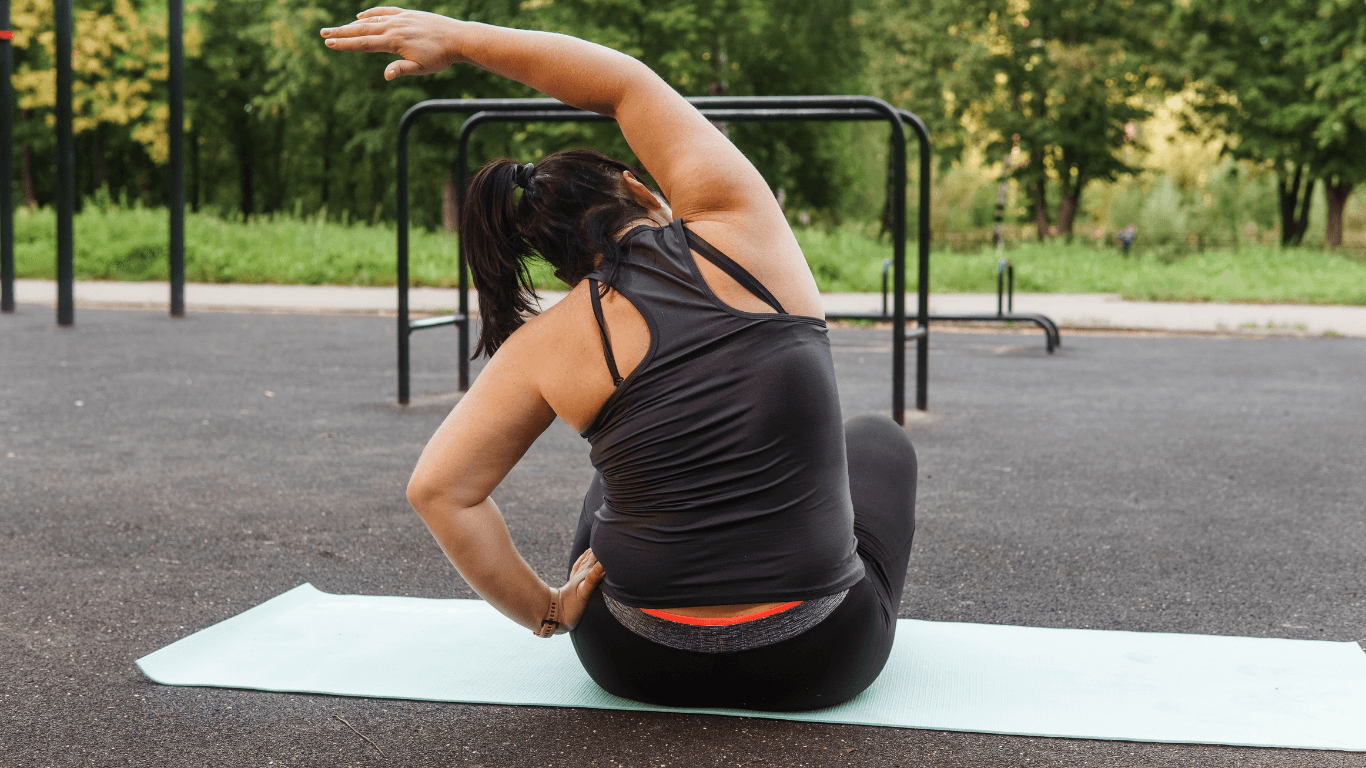
A gentle spinal twist improves mobility and helps release tension along the back. Twisting movements encourage flexibility and can reduce stiffness that builds up over time.
This stretch is especially beneficial after long periods of inactivity.
How to Perform Back Stretches Safely
Start Slowly
When beginning a stretching routine, it’s essential to ease into each movement. Pushing too hard can lead to strain rather than relief. Focus on controlled, gentle motions.
Breathe Deeply
Breathing plays a crucial role in effective stretching. Slow, deep breaths help the body relax and allow muscles to release tension more easily.
Stay Consistent
Consistency matters more than intensity. Practicing back stretches daily, even for a few minutes, can lead to significant improvements over time.
Listen to Your Body
Pain is a signal that something isn’t right. While mild discomfort can be normal, sharp or intense pain should be avoided. Adjust your movements as needed.
Creating a Simple At-Home Routine
Building a routine doesn’t have to be complicated. Start with a few key stretches and gradually expand as you become more comfortable. The goal is to create a habit that fits seamlessly into your daily life.
Morning sessions can help prepare your body for the day, while evening stretches can release tension accumulated throughout the day. Even short sessions can be effective when done consistently.
Following guidance similar to that shared by Dr Max Greig, focusing on quality over quantity ensures better results. A mindful approach to stretching often leads to lasting improvements.
Common Mistakes to Avoid
One of the biggest mistakes people make is rushing through stretches. Moving too quickly reduces their effectiveness and increases the risk of injury.
Another common issue is inconsistency. Stretching once in a while won’t provide lasting benefits. Regular practice is key.
Ignoring other contributing factors, such as posture and activity levels, can also limit progress. Stretching works best when combined with healthy movement habits.
When to Seek Professional Help
While back stretches can be highly effective, they’re not a cure-all. Persistent or severe pain may require professional evaluation. If your symptoms don’t improve or worsen over time, it’s important to seek guidance.
Professionals like Dr Max Greig and his team can provide personalized recommendations and ensure that your approach is safe and effective.
FAQ: Back Stretches That Actually Work
What are the best back stretches for beginners?
The best stretches for beginners include cat-cow, child’s pose, and knee-to-chest movements. These are gentle, easy to perform, and highly effective for relieving tension.
How often should I do back stretches?
Daily stretching is ideal. Even five to ten minutes each day can lead to noticeable improvements in flexibility and pain relief.
Can back stretches fix chronic back pain?
Stretching can significantly reduce symptoms, especially when combined with other healthy habits. However, chronic pain may require a more comprehensive approach.
Is it normal to feel discomfort while stretching?
Mild discomfort can be normal, especially when muscles are tight. However, sharp or intense pain should be avoided.
Take the First Step Toward Relief with Dr Max Greig
Back pain can feel overwhelming, but it doesn’t have to define your daily life. With the right approach, relief is not only possible, it’s within reach. Back stretches offer a simple, effective way to reconnect with your body and restore comfort, one movement at a time.
The key is consistency, patience, and a willingness to listen to your body. Small efforts, repeated daily, can lead to meaningful change. You don’t need complicated routines or expensive solutions, just a commitment to taking that first step.
With guidance inspired by experts like Dr Max Greig, you can approach your recovery with confidence and clarity. Start today, stay consistent, and give your body the care it deserves.
Your journey to a stronger, pain-free back begins now.