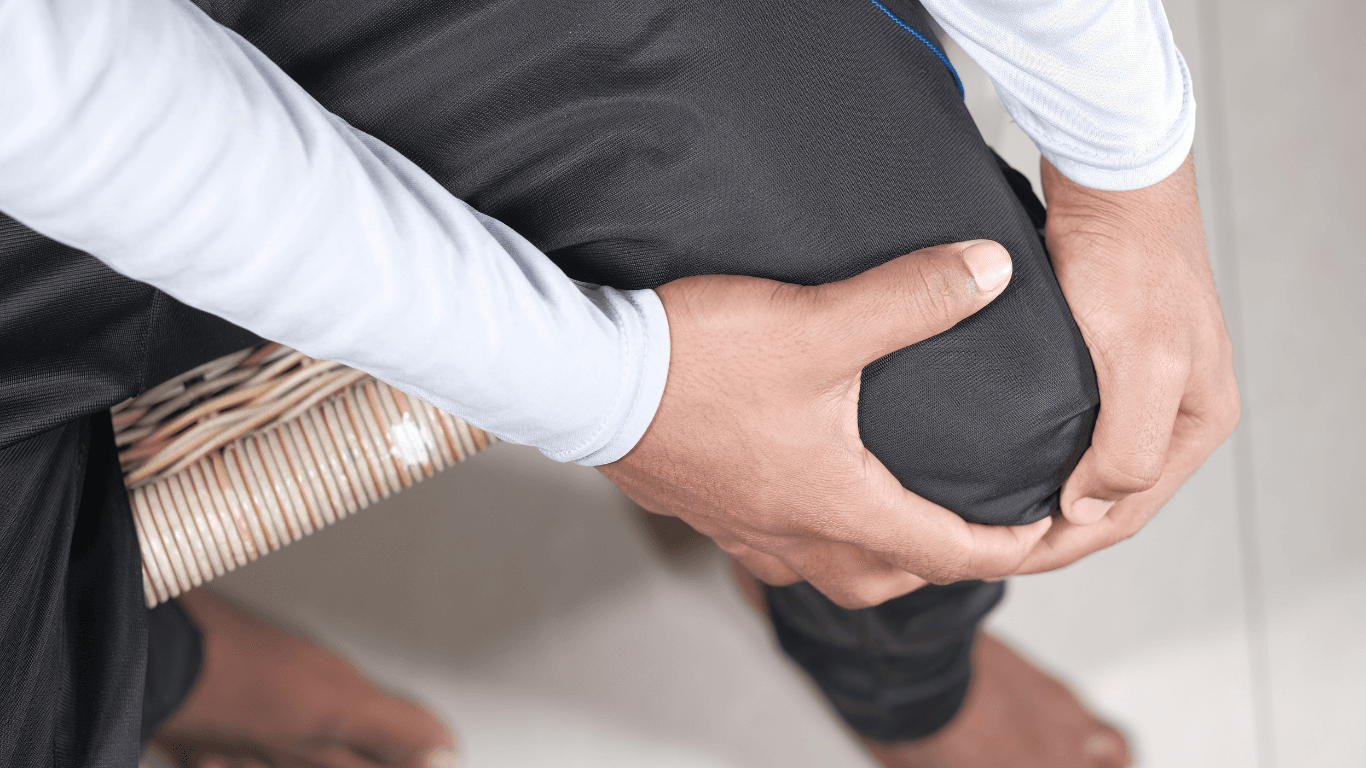
Knee pain has a way of quietly taking over your life. What starts as a small ache after a long day can slowly become something that affects how you walk, sleep, and even think. The frustration builds when simple things like climbing stairs or getting out of a chair begin to feel like obstacles. For many people, the search for real knee pain relief becomes urgent, emotional, and deeply personal.
The problem is that there’s too much conflicting advice out there. From miracle cures to outdated treatments, it’s hard to know what actually works. People often try everything they can find online, only to feel disappointed when results don’t last. This cycle of hope and frustration can make knee pain feel even more overwhelming.
But here’s the truth: effective, lasting relief is possible. It just requires understanding what’s really causing the pain and choosing strategies that are backed by evidence rather than hype. When you approach knee pain with the right knowledge, you can take back control and move with confidence again.
At Dr Max Greig, the focus is always on clear, science-based solutions that actually help people get better. This guide will walk you through what works, what doesn’t, and how to make the best decisions for your knee health moving forward.
Understanding Knee Pain: Why It Happens
Common Causes of Knee Pain
Knee pain isn’t a single condition. It’s a symptom that can come from a variety of underlying issues. The most common causes include osteoarthritis, ligament injuries, meniscus tears, and overuse from repetitive movements. In many cases, multiple factors contribute at the same time.
Aging plays a role, but it’s not the only factor. Poor movement patterns, muscle imbalances, and lack of strength around the joint can all increase stress on the knee. Even something as simple as weak hips can change how forces are distributed through the knee.
Acute vs Chronic Knee Pain
Understanding whether your pain is acute or chronic is key to choosing the right approach. Acute pain often follows an injury and may involve swelling or instability. Chronic pain tends to develop gradually and can linger for months or years.
The strategies for knee pain relief differ depending on which type you’re dealing with. Treating chronic pain the same way as an acute injury often leads to poor results.
What Works for Knee Pain Relief
Targeted Strength Training
One of the most effective ways to reduce knee pain is through strengthening the muscles that support the joint. Strong quadriceps, hamstrings, and glutes help absorb forces that would otherwise stress the knee.
Research consistently shows that structured exercise programs reduce pain and improve function in people with knee issues. The key is consistency and proper technique. Exercises should be progressive and tailored to your current ability.
Improving Movement Patterns
How you move matters just as much as how strong you are. Poor alignment during activities like walking, squatting, or running can increase strain on the knee joint.
Learning proper movement mechanics can significantly reduce pain over time. Small adjustments, such as improving knee tracking or hip control, often make a noticeable difference.
Weight Management
Excess body weight increases the load placed on the knees. Even small reductions in weight can lead to meaningful improvements in pain and mobility.
This isn’t about extreme dieting. Sustainable lifestyle changes that support overall health are more effective for long-term knee pain relief.
Manual Therapy and Physiotherapy
Hands-on treatment combined with guided exercise can accelerate recovery. Physiotherapy helps address both the symptoms and the root cause of pain.
Manual techniques may provide short-term relief, but they are most effective when combined with an active rehabilitation program.
Activity Modification, Not Avoidance
Rest has its place, especially after an injury. But complete inactivity often makes knee pain worse over time. The goal should be to modify activities rather than eliminate them entirely.
Low-impact exercises like swimming or cycling can help maintain fitness while reducing stress on the knee.
What Doesn’t Work (or Works Less Than You Think)
Passive Treatments Alone
Relying only on passive treatments such as massage, heat packs, or ultrasound may provide temporary relief, but they rarely solve the underlying issue.
Without strengthening and movement correction, the pain is likely to return.
Knee Braces as a Long-Term Solution
Knee braces can offer support in certain situations, especially after injury. However, they are not a long-term fix.
Over-reliance on braces may actually weaken the muscles that stabilize the knee, delaying recovery.
Painkillers as the Primary Strategy
Medication can help manage pain in the short term, but it doesn’t address the root cause. Long-term use also carries risks and side effects.
True knee pain relief comes from improving how the joint functions, not just masking symptoms.
Completely Avoiding Movement
Many people believe that rest is the best solution for knee pain. While this may help initially, prolonged inactivity leads to stiffness, weakness, and increased pain over time.
Movement, when done correctly, is one of the most powerful tools for recovery.
Evidence-Based Strategies That Deliver Results
Progressive Loading
The concept of progressive loading involves gradually increasing the stress placed on the knee in a controlled way. This helps the joint adapt and become more resilient.
It’s a cornerstone of modern rehabilitation and one of the most reliable methods for long-term improvement.
Neuromuscular Training
This type of training focuses on coordination, balance, and control. It helps the body move more efficiently and reduces unnecessary strain on the knee.
Improved neuromuscular control often leads to better outcomes, especially in people with recurring pain.
Individualized Treatment Plans
There is no one-size-fits-all solution for knee pain. What works for one person may not work for another.
Personalized plans that consider your lifestyle, goals, and specific condition are far more effective than generic advice.
When to Seek Professional Help
Signs You Shouldn’t Ignore
Persistent pain, swelling, instability, or difficulty bearing weight are signs that you should seek professional evaluation. Early intervention can prevent minor issues from becoming major problems.
The Value of Expert Guidance
Working with a qualified professional ensures that you’re using the right strategies from the start. It also helps you avoid common mistakes that can delay recovery.
At Dr Max Greig, the approach is always tailored, evidence-based, and focused on long-term results rather than quick fixes.
Frequently Asked Questions
What is the fastest way to achieve knee pain relief?
The fastest approach combines reducing aggravating activities with targeted strengthening and movement correction. While quick fixes may ease symptoms temporarily, lasting relief requires addressing the underlying cause.
Can knee pain go away on its own?
Some minor cases may improve with time, but many persist or worsen without proper treatment. Active rehabilitation significantly increases the chances of full recovery.
Is walking good for knee pain?
Walking can be beneficial if done within a comfortable range. However, poor walking mechanics or excessive volume may aggravate symptoms. Adjustments are often needed.
Do supplements help with knee pain relief?
Certain supplements may provide mild benefits for some individuals, but they should not replace exercise and rehabilitation. Evidence supporting their effectiveness is limited compared to physical therapy.
Regain Confidence in Your Movement
Knee pain doesn’t have to define your life. While it can feel limiting and frustrating, the right approach can lead to real, lasting change. By focusing on what truly works, you can move beyond temporary fixes and build a stronger, more resilient body.
The journey to recovery isn’t about doing everything at once. It’s about doing the right things consistently. Strength, movement, and expert guidance form the foundation of effective knee pain relief.
At Dr Max Greig, the goal is to help you regain confidence in your movement and trust in your body again. If you’re ready to stop guessing and start making progress, now is the time to take that first step. Your knees carry you through life, and they deserve the care that will keep you moving forward.