Living with chronic hip pain can slowly take away the simple joys of daily life. Walking up the stairs, getting out of a chair, or even enjoying a peaceful night’s sleep can become constant struggles. For many people, this pain doesn’t just affect the body, it impacts independence, confidence, and emotional well-being.
At first, the discomfort may seem manageable. You might try to push through it, relying on rest, medications, or small lifestyle changes. But over time, the pain often worsens, limiting mobility and making once-effortless activities feel overwhelming. This gradual decline can leave patients wondering if there’s a long-term solution.
For individuals working closely with Dr Max Greig, the question becomes more focused: is it time to consider hip replacement surgery? Understanding when this procedure is the right choice is crucial to reclaiming quality of life.
This article is designed to guide you through that decision. By exploring candidacy, benefits, risks, and outcomes, you’ll gain a clearer understanding of whether hip replacement surgery could be the turning point toward a more active, pain-free future.
Understanding Hip Replacement Surgery
What Is Hip Replacement Surgery?
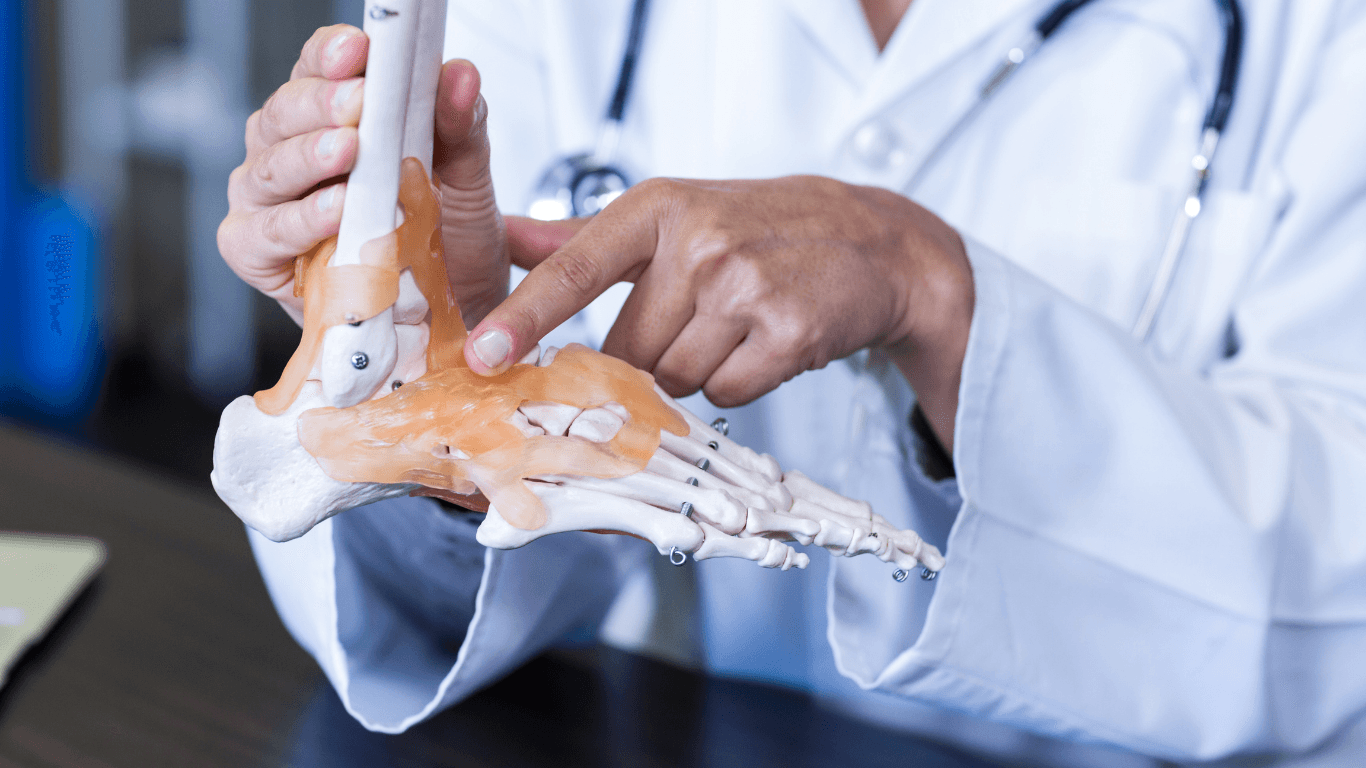
Hip replacement surgery is a medical procedure in which a damaged or worn-out hip joint is replaced with an artificial implant. The hip is a ball-and-socket joint, and when either part becomes deteriorated due to injury or disease, movement becomes painful and restricted.
During the procedure, the surgeon removes the damaged bone and cartilage and replaces them with prosthetic components designed to mimic natural movement. These implants are typically made from durable materials such as metal, ceramic, or high-grade plastic, ensuring longevity and stability.
Why the Hip Joint Deteriorates
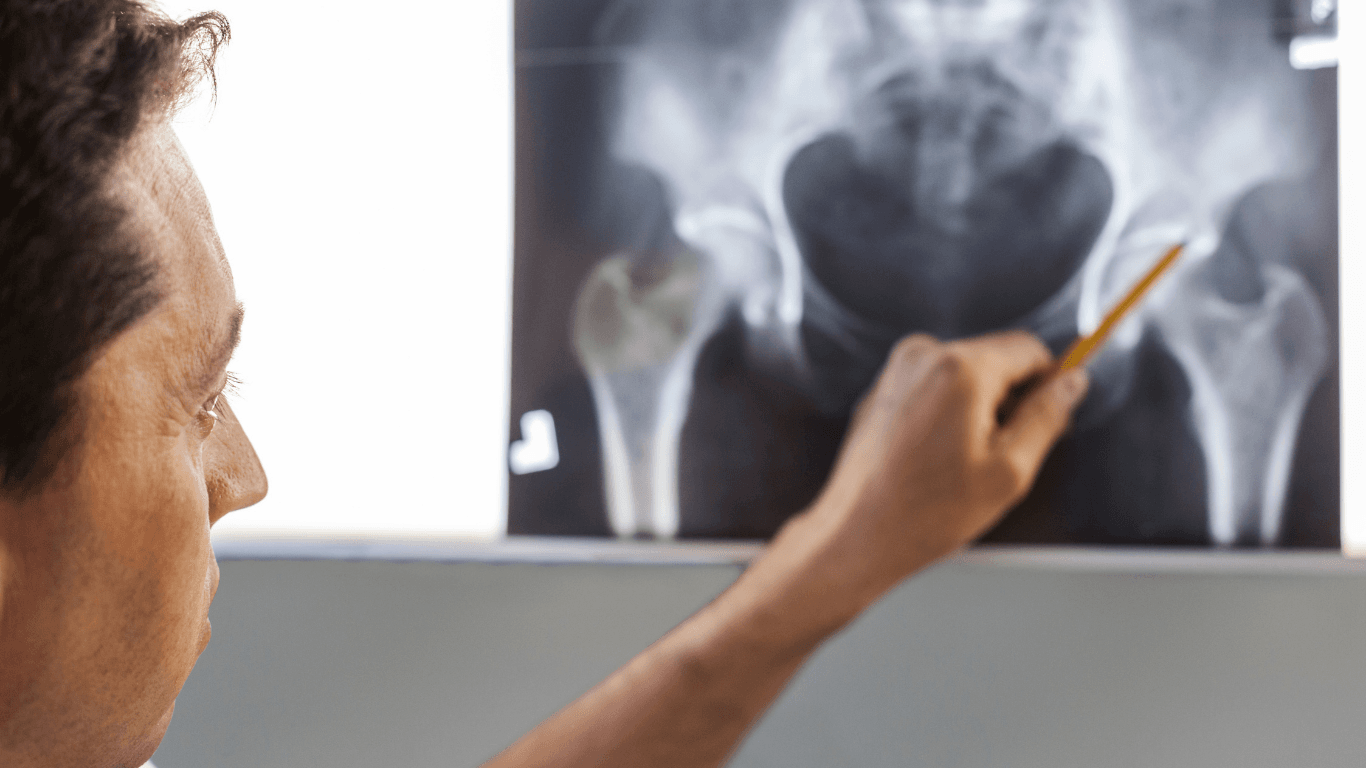
Several conditions can lead to the need for hip replacement surgery, with osteoarthritis being the most common. This degenerative condition gradually wears down cartilage, causing bones to rub against each other. Other causes include rheumatoid arthritis, hip fractures, avascular necrosis, and long-term joint damage from injury.
Regardless of the cause, the result is often the same: persistent pain, stiffness, and a reduced ability to move freely.
When Is Hip Replacement Surgery the Right Choice?
Persistent Pain That Disrupts Daily Life
One of the clearest indicators that hip replacement surgery may be necessary is ongoing pain that interferes with everyday activities. When walking, bending, or even resting becomes painful, it signals that the joint damage has progressed beyond mild or moderate stages.
Patients often report that the pain is no longer occasional but constant, affecting sleep and limiting independence. At this stage, conservative treatments may no longer provide sufficient relief.
Limited Mobility and Reduced Function
Another key factor is the loss of mobility. Difficulty in performing routine tasks such as putting on shoes, climbing stairs, or standing for extended periods can significantly impact quality of life.
When mobility restrictions begin to affect work, social interactions, and physical activity, hip replacement surgery becomes a viable option to restore function.
Ineffectiveness of Non-Surgical Treatments
Before recommending surgery, healthcare providers typically explore non-invasive treatments. These may include physical therapy, anti-inflammatory medications, injections, and lifestyle modifications.
If these approaches fail to provide lasting relief, it may indicate that the joint damage is too advanced. At this point, hip replacement surgery is often considered the most effective solution.
Emotional and Mental Impact
Chronic pain doesn’t just affect the body—it takes a toll on mental health. Feelings of frustration, isolation, and even depression can arise when physical limitations prevent individuals from living fully.
For patients working with experienced orthopedic specialists, addressing both physical and emotional well-being is essential. Choosing hip replacement surgery can often restore not just mobility, but also confidence and overall happiness.
Who Is a Good Candidate for Hip Replacement Surgery?
Age Is Not the Only Factor
While hip replacement surgery is commonly associated with older adults, age alone does not determine candidacy. Younger patients with severe joint damage may also benefit from the procedure.
The decision is based more on the severity of symptoms and the impact on daily life rather than a specific age range.
Overall Health Considerations
Patients should be in generally good health to undergo surgery safely. Conditions such as uncontrolled diabetes or heart disease may require careful management before proceeding.
Orthopedic teams evaluate each patient individually to ensure the best possible outcome.
Commitment to Recovery
Recovery from hip replacement surgery requires dedication. Physical therapy and rehabilitation play a critical role in regaining strength and mobility.
Patients who are motivated and willing to follow post-operative guidelines tend to experience better results and faster recovery.
Benefits of Hip Replacement Surgery
Significant Pain Relief
One of the most immediate and noticeable benefits is relief from chronic pain. Many patients report a dramatic reduction in discomfort shortly after recovery begins.
This improvement allows individuals to return to activities they once avoided due to pain.
Improved Mobility and Independence
Restoring movement is a key goal of hip replacement surgery. Patients often regain the ability to walk, climb stairs, and engage in physical activities with greater ease.
This renewed mobility leads to increased independence and a more active lifestyle.
Enhanced Quality of Life
Beyond physical improvements, the procedure can have a profound impact on overall well-being. Being able to move freely without pain can improve mood, energy levels, and social engagement.
For many, hip replacement surgery represents a new chapter filled with possibilities.
Risks and Considerations
Surgical Risks
Like any major procedure, hip replacement surgery carries some risks. These may include infection, blood clots, or complications related to anesthesia.
However, advancements in surgical techniques and post-operative care have significantly reduced these risks.
Implant Longevity
Modern hip implants are designed to last many years, often 15 to 20 or more. However, younger patients may eventually require a revision surgery later in life.
Discussing long-term expectations with your orthopedic specialist is essential.
Recovery Time
Recovery varies from patient to patient. While some individuals resume normal activities within a few weeks, others may require several months of rehabilitation.
Patience and adherence to medical guidance are key to achieving optimal results.
The Recovery Journey
What to Expect After Surgery
Immediately after hip replacement surgery, patients begin a structured recovery process. Early movement is encouraged to prevent complications and promote healing.
Physical therapy typically starts within days, focusing on restoring strength and flexibility.
Gradual Return to Daily Activities
Over time, patients regain independence and return to their regular routines. Most individuals can resume low-impact activities such as walking, swimming, and cycling.
High-impact activities may be limited to protect the longevity of the implant.
Long-Term Outcomes
The long-term success of hip replacement surgery is highly favorable. Many patients experience lasting pain relief and improved function for decades.
Regular follow-ups with your orthopedic provider ensure continued joint health.
Choosing the Right Orthopedic Care Provider
Selecting the right medical team is a critical part of the process. Experienced providers, like the client highlighted in your brief, offer personalized care, advanced surgical techniques, and comprehensive rehabilitation support.
A trusted orthopedic specialist will guide you through every step, from initial consultation to full recovery, ensuring that your decision to undergo hip replacement surgery is informed and confident.
Frequently Asked Questions
How long does hip replacement surgery take?
The procedure typically lasts between one to two hours, depending on the complexity of the case. However, the overall hospital stay and recovery process extend beyond the surgical time.
Is hip replacement surgery painful?
While some discomfort is expected after surgery, pain is managed effectively with medication and therapy. Most patients find that post-surgical pain is far less intense than the chronic pain they experienced before.
How soon can I walk after hip replacement surgery?
Many patients begin walking with assistance within a day or two after surgery. Physical therapy helps gradually improve strength and mobility.
How long does a hip replacement last?
Modern implants can last 15 to 20 years or longer, depending on factors such as activity level and overall health.
Renew Your Mobility and Independence at Once
Deciding to undergo hip replacement surgery with Dr Max Greig is not just about addressing physical pain, it’s about reclaiming your life. When everyday movements become a challenge and discomfort overshadows joy, it may be time to consider a lasting solution.
With the guidance of the experienced orthopedic team featured in your brief, patients can move forward with confidence, knowing they are supported every step of the way. From diagnosis to recovery, expert care makes all the difference.
If you’re ready to explore whether hip replacement surgery is right for you, don’t wait. Take that first step toward renewed mobility, independence, and a future where pain no longer defines your days.