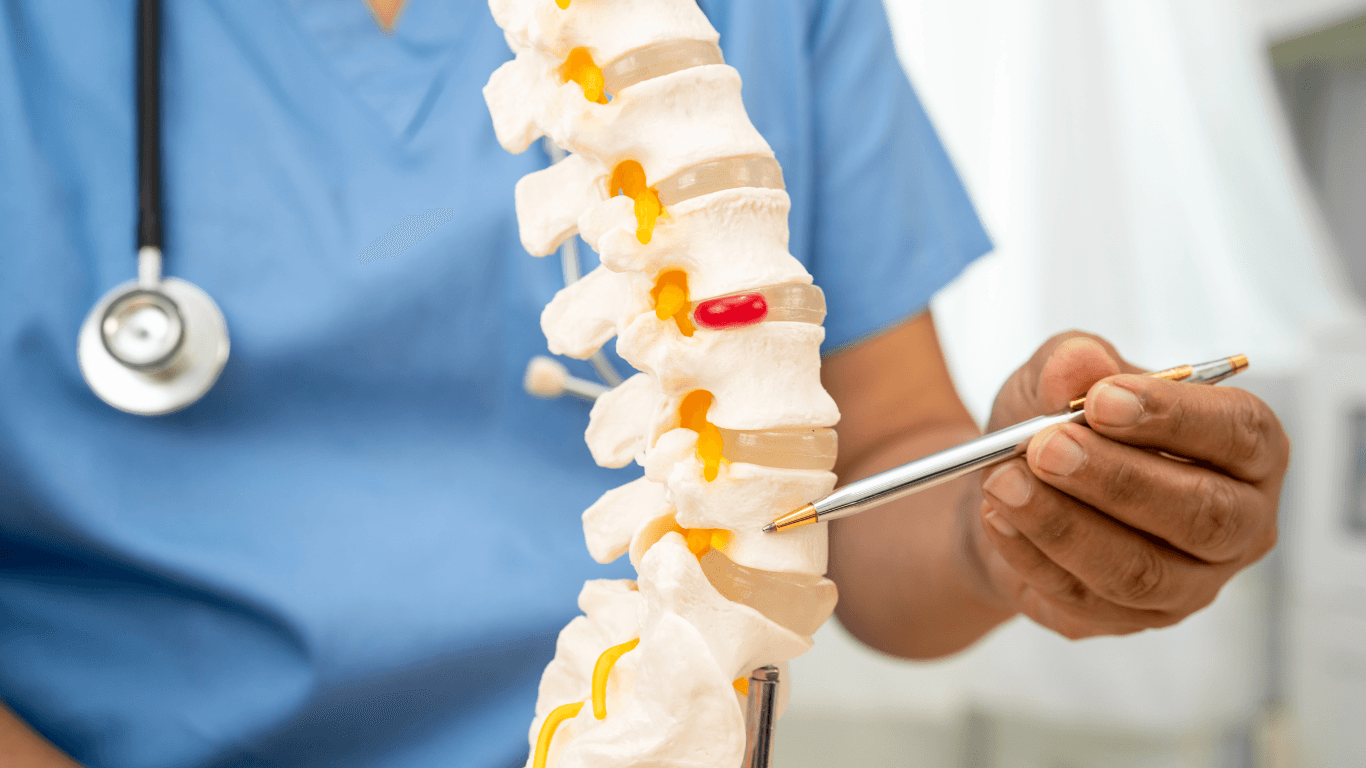
Back and neck pain can disrupt every part of life, from mobility and independence to sleep, work, and emotional well-being. Many patients feel uncertain about surgery, imagining long recoveries or extensive incisions. Fortunately, today’s orthopedic care offers an alternative that is safer, gentler, and far less disruptive: minimally invasive spine surgery (MISS).
MISS uses small incisions, refined instruments, and advanced imaging to treat conditions such as herniated discs, spinal stenosis, and degenerative disorders while protecting healthy tissues.
For many patients across North America, Dr. Max Greig, an internationally trained orthopedic surgeon in Puerto Vallarta, has become a trusted leader in these modern techniques. His compassionate, world-class approach helps patients feel heard, supported, and confident throughout their treatment journey.
This comprehensive guide explains what MISS is, why it matters, and how it can help patients return to pain-free living with less stress and greater comfort.
You might interest in: Lumbar Stenosis Surgery Options: Procedures, Outcomes & Risks
What Is Minimally Invasive Spine Surgery?
Minimally invasive spine surgery is a surgical approach designed to repair spinal problems using incisions typically less than one inch long. Instead of cutting through layers of muscle, the surgeon creates a narrow tunnel using tubular retractors that gently separate tissues without damaging them.
Through this small corridor, high-definition cameras, endoscopes, microscopes, and specialized tools allow the surgeon to work with remarkable precision. The goal is not only to fix the spinal issue but to preserve as much of the surrounding anatomy as possible. This emphasis on preservation is what gives MISS its unmistakable benefits: less pain, quicker recovery, and reduced postoperative complications.
Why Minimally Invasive Spine Surgery Has Become the Preferred Choice
Over the past two decades, MISS has shifted from an emerging technique to a standard of care for many spinal conditions. Its popularity stems from a combination of improved technology, better surgical training, and strong research showing excellent outcomes. Patients increasingly want solutions that allow them to recover faster, return to their routines sooner, and experience less discomfort along the way.
MISS supports all these goals by minimizing tissue trauma and enhancing surgical accuracy. For patients who value safety, comfort, and predictability, it provides a modern and reliable path toward relief.
Benefits of Minimally Invasive Spine Surgery
Smaller Incisions and Less Tissue Disruption
One of the defining characteristics of MISS is its ability to access the spine through tiny openings rather than the long incisions required in traditional open surgery. Because the surgeon does not need to cut through large sections of muscle and ligament, patients experience far less trauma.
Tissues that are gently separated rather than cut heal more quickly and with fewer complications. Patients often describe their postoperative discomfort as soreness rather than sharp or deep pain, which allows them to move earlier and more comfortably.
Faster Healing and Reduced Recovery Time
Recovery time is one of the primary reasons patients choose minimally invasive techniques. When less muscle and soft tissue are disturbed, the body requires less time to repair itself. Patients frequently notice that they can stand, walk, and perform light activities within hours of the procedure.
Many procedures are completed on an outpatient basis, meaning patients return home the same day. Even for those who remain in the hospital overnight, stays tend to be short. The lighter physical impact of MISS also supports a smoother transition into physical therapy, which accelerates functional recovery.
Reduced Postoperative Pain
Because muscles remain intact and are not cut or detached from the spine, patients generally experience less postoperative pain. This reduction allows for lower reliance on pain medications and helps patients remain active during the early recovery phase.
Less pain also means fewer barriers to movement, which is essential for proper healing. Walking shortly after surgery improves circulation, reduces stiffness, and supports overall recovery.
Lower Risk of Infection and Complications
Smaller incisions naturally lower the likelihood of infection. The reduced exposure of the surgical area minimizes the chance of bacteria entering the wound, and the surrounding tissues remain healthier and stronger.
MISS is also associated with less blood loss, fewer wound-related issues, and a lower chance of postoperative fluid collections. These factors contribute to safer surgery and greater peace of mind for patients, especially those who may be concerned about complications.
Enhanced Precision Through Modern Technology
Minimally invasive spine surgery relies heavily on technology that enhances visibility and accuracy. High-definition cameras, surgical microscopes, and fluoroscopic or navigational imaging allow the surgeon to work through small spaces without sacrificing clarity.
This technological advantage ensures that delicate structures, nerves, discs, joints, and spinal bones, are carefully protected. The use of image guidance and modern instrumentation improves surgical accuracy and reduces the risk of complications associated with limited visibility.
Smaller Scars and Improved Cosmetic Results
Although cosmetic appearance is not the primary goal of spine surgery, many patients appreciate the smaller, more discreet scars associated with minimally invasive procedures. Tiny incisions heal quickly and tend to fade over time, leaving minimal visible marks. For individuals concerned about aesthetics or who have had previous surgeries, this is a welcome benefit.
You might interest in: Herniated Disk Surgery Cost Mexico: Pricing, Procedures, and Options
Outcomes Comparable to Traditional Surgery, With Added Advantages
One of the most reassuring aspects of MISS is that it offers results equal to or better than traditional open surgery for many conditions. Pain relief, stabilization, and long-term improvement are well supported by research. What differentiates MISS is the path to recovery. Patients reach these outcomes more comfortably and with a better overall experience.
How Minimally Invasive Spine Surgery Works
MISS involves accessing the spine through narrow channels rather than wide surgical exposures. The surgeon:
- Makes a small incision over the targeted area.
- Inserts a tubular retractor that gently separates tissues.
- Uses magnified imaging to identify the exact problem.
- Performs the necessary repair with specialized tools.
- Removes the instruments, allowing the tissues to naturally fall back into place.
This streamlined process avoids the significant muscular disruption seen in traditional surgery and protects the integrity of the spine’s supportive structures.
Common Types of Minimally Invasive Spine Procedures
Microdiscectomy
Used to treat herniated discs compressing nearby nerves. By removing the portion of the disc pressing on the nerve, this procedure often leads to rapid relief of leg pain and improved mobility.
Minimally Invasive Laminectomy
Designed for spinal stenosis, this procedure removes a small section of bone to relieve pressure on the spinal canal and nerve roots. Patients typically regain mobility quickly and retain more spinal stability than with traditional open laminectomy.
Minimally Invasive Spinal Fusion
Techniques such as TLIF and LLIF stabilize the spine through small lateral or posterior incisions. High-resolution imaging ensures accurate placement of implants and hardware.
Candidacy: Who Can Benefit From Minimally Invasive Spine Surgery?
MISS is suitable for many patients with localized or single-level spinal problems. Individuals with herniated discs, nerve compression, degenerative disc disease, or mild to moderate instability often benefit greatly.
Patients with complex deformities, severe osteoporosis, or advanced multilevel degeneration may require different approaches. A detailed evaluation with MRI, CT scans, and clinical assessment is essential to determine the best treatment.
Recovery Expectations
Most patients stand and walk the same day as surgery. Light activities usually resume within days, and many people return to work within two to four weeks. Long-term recovery depends on the specific procedure, but MISS consistently offers a smoother, easier healing experience compared to traditional surgery.
You might interest in: Age and Lumbar Stenosis: How Aging Impacts Spinal Health
Why Choosing the Right Surgeon Matters
Minimally invasive spine surgery demands training, experience, and technical skill. Surgeons must be adept at working within small spaces using advanced visualization tools. Expertise directly influences safety, precision, and long-term outcomes.
This is where patients benefit from specialists like Dr. Max Greig, whose international training and compassionate, patient-centered approach provide both confidence and comfort.
Frequently Asked Questions
What spinal conditions can be treated with minimally invasive surgery?
Most commonly, MISS treats herniated discs, spinal stenosis, nerve compression, degenerative disc disease, and certain types of spinal instability.
Is recovery really faster with minimally invasive techniques?
Yes. Because muscles and tissues are preserved, patients recover mobility sooner and generally experience less pain.
Is minimally invasive spine surgery safe?
It is considered very safe. Smaller incisions reduce infection risk, and advanced imaging enhances precision.
Does MISS offer long-lasting results?
For most patients, outcomes are comparable to traditional surgery with the added benefits of reduced trauma and faster recovery.
A Better Way Forward for Your Spine Health
Minimally invasive spine surgery represents a major advancement in orthopedic care. Its focus on small incisions, tissue preservation, and precision allows patients to experience faster recovery, less pain, and a smoother return to daily life. For individuals struggling with chronic back or neck pain, this approach offers a modern, effective, and patient-friendly solution.
With extensive international training and over 25 years of experience, Dr. Max Greig provides minimally invasive spine surgery with a combination of world-class expertise and genuine compassion. His commitment to personalized care, transparency, and patient education helps individuals regain mobility and confidence, free from the limitations of chronic spine conditions.
If you’re considering minimally invasive spine surgery, Dr. Max Greig can guide you through every step with clarity, skill, and warm support, helping you move toward a healthier, pain-free future.