
There’s a quiet frustration that builds when your body doesn’t move the way it used to. Tight hips can creep into everyday life, turning simple actions like walking, standing, or even sitting into a source of discomfort. Over time, that stiffness doesn’t just affect your body, it begins to weigh on your confidence and energy.
For many people, the hips are the hidden culprit behind lingering aches and restricted movement. Long hours at a desk, lack of mobility work, or even intense workouts without proper recovery can leave the hip flexors shortened and tense. When that happens, your entire body compensates, often leading to pain in the lower back, knees, and beyond.
The good news is that change doesn’t require extreme measures. A well-executed hip flexor stretch can unlock mobility, ease discomfort, and restore a sense of freedom in your movement. It’s one of the simplest yet most effective ways to reconnect with your body and improve how you feel day to day.
At Dr Max Greig’s practice, the focus is always on practical, sustainable solutions that empower people to take control of their health. This guide will walk you through everything you need to know about hip flexor stretching, so you can move better, feel stronger, and reduce pain naturally.
What Are Hip Flexors and Why Do They Matter?
Understanding the Role of the Hip Flexors
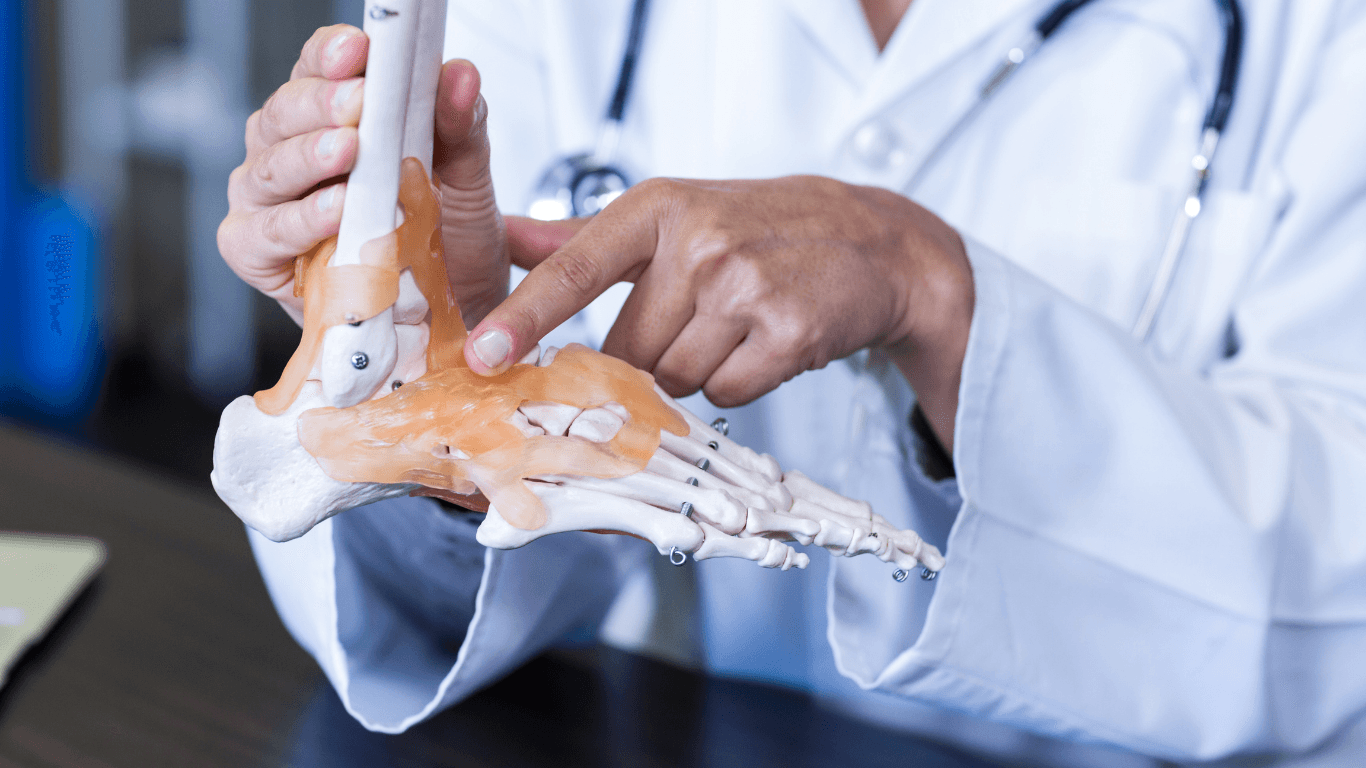
The hip flexors are a group of muscles located at the front of your hip. Their primary job is to lift your knee toward your chest and help you bend at the waist. Every time you walk, run, or climb stairs, these muscles are at work.
The most important muscles in this group include the iliopsoas, rectus femoris, and sartorius. When they function properly, they allow smooth, efficient movement. But when they become tight or overworked, they can restrict mobility and create tension throughout the body.
How Tight Hip Flexors Affect Your Body
Tight hip flexors don’t just stay in one place. They often pull your pelvis forward, creating an imbalance known as anterior pelvic tilt. This can lead to lower back pain, poor posture, and reduced athletic performance.
Over time, you may notice stiffness when standing up, discomfort during exercise, or even a persistent ache in your hips. These are all signs that your body is asking for attention and mobility work.
Benefits of a Hip Flexor Stretch
Improved Mobility and Flexibility
One of the most immediate benefits of a hip flexor stretch is increased range of motion. As the muscles lengthen, movement becomes smoother and less restricted. This is especially important for activities like walking, running, and squatting.
Reduced Pain and Tension
Stretching helps release built-up tension in the hips, which can significantly reduce discomfort in the lower back and pelvis. Many people are surprised at how much relief they feel after consistently stretching this area.
Better Posture and Alignment
When your hip flexors are tight, they pull your body out of alignment. Regular stretching helps restore balance, allowing you to stand taller and move more naturally.
Enhanced Athletic Performance
Flexible hip flexors improve stride length, power, and efficiency. Whether you’re an athlete or just enjoy staying active, this can make a noticeable difference in performance.
Signs You Need a Hip Flexor Stretch
Persistent Tightness in the Front of the Hip
If you feel a constant pull or tightness at the front of your hips, it’s a clear sign your hip flexors need attention.
Lower Back Discomfort
Tight hip flexors often contribute to lower back pain by altering your posture and placing extra stress on the spine.
Difficulty Standing Upright
If standing straight feels uncomfortable or requires effort, shortened hip flexors may be limiting your posture.
Reduced Range of Motion
Struggling with movements like lunges or high steps can indicate restricted hip mobility.
How to Perform the Best Hip Flexor Stretch
Kneeling Hip Flexor Stretch
Start by kneeling on one knee with the other foot in front, creating a 90-degree angle. Keep your torso upright and gently push your hips forward until you feel a stretch at the front of your hip.
Hold the position for 20 to 30 seconds while breathing steadily. Avoid arching your lower back, as this reduces the effectiveness of the stretch.
Standing Hip Flexor Stretch
Stand tall and take a step back with one leg. Bend your front knee slightly and tuck your pelvis under. You should feel a gentle stretch along the front of the back leg.
Maintain control and avoid bouncing. The goal is a steady, controlled stretch.
Dynamic Hip Flexor Stretch
For those preparing for activity, dynamic stretches are ideal. Step into a lunge and gently pulse forward, moving in and out of the stretch. This helps warm up the muscles and improve mobility before exercise.
Common Mistakes to Avoid
Overarching the Lower Back
One of the most common errors is compensating by arching the lower back instead of stretching the hip. Focus on keeping your core engaged and pelvis neutral.
Pushing Too Hard
Stretching should never be painful. Pushing too far can lead to injury and increased tension. Aim for a mild to moderate stretch.
Holding Your Breath
Breathing is essential for muscle relaxation. Slow, controlled breaths help deepen the stretch and improve results.
Inconsistent Practice
Like any mobility work, consistency is key. Occasional stretching won’t deliver lasting benefits.
How Often Should You Do Hip Flexor Stretches?
For most people, performing a hip flexor stretch daily or at least four to five times per week yields the best results. If you sit for long periods, incorporating short stretching sessions throughout the day can make a significant difference.
Consistency is more important than intensity. Even a few minutes each day can gradually improve flexibility and reduce tension.
Who Can Benefit Most from Hip Flexor Stretching?
Office Workers and Sedentary Lifestyles
Sitting for extended periods keeps the hip flexors in a shortened position, leading to tightness over time. Stretching helps counteract this effect.
Athletes and Fitness Enthusiasts
High levels of activity can place repetitive stress on the hip flexors. Regular stretching supports recovery and performance.
Individuals with Lower Back Pain
Many cases of lower back discomfort are linked to tight hips. Addressing the root cause can provide lasting relief.
Integrating Hip Flexor Stretches into Your Routine
Adding stretching to your daily routine doesn’t have to be complicated. You can incorporate it into your morning, after workouts, or even during breaks at work.
The key is to make it a habit. Pairing your stretch with an existing routine, like brushing your teeth or finishing a workout, can help reinforce consistency.
At Dr Max Greig’s clinic, patients are often guided to build simple, sustainable routines that fit seamlessly into their lives. This approach ensures long-term results rather than short-term fixes.
FAQ Section
What is the best hip flexor stretch for beginners?
The kneeling hip flexor stretch is ideal for beginners. It’s simple to perform, easy to control, and highly effective for targeting the front of the hip.
How long should I hold a hip flexor stretch?
Holding a stretch for 20 to 30 seconds is generally sufficient. Repeating it two to three times on each side can enhance the benefits.
Can hip flexor stretches relieve lower back pain?
Yes, tight hip flexors often contribute to lower back pain. Stretching them can reduce tension and improve posture, which helps alleviate discomfort.
Is it normal to feel discomfort during a hip flexor stretch?
A mild stretching sensation is normal, but sharp or intense pain is not. If you experience pain, ease off the stretch and adjust your position.
Take Control of Your Movement with Dr Max Greig
Improving your mobility doesn’t require complicated routines or endless hours of training. Sometimes, the most powerful changes come from simple, consistent actions. A well-practiced hip flexor stretch can transform how your body feels, reducing pain, improving posture, and restoring freedom of movement.
The key is to start now and stay consistent. Small daily efforts can lead to lasting improvements in how you move and live. Your body is designed to be mobile, strong, and pain-free, but it needs the right care and attention to stay that way.
At Dr Max Greig, the focus is on helping you move better and feel better with practical, evidence-based strategies. If you’re ready to take the next step toward improved mobility and reduced pain, now is the time to act. Start incorporating these stretches into your routine and experience the difference for yourself.