Living with chronic hip pain changes everything. Simple movements become calculated decisions. A walk on the beach, a round of golf, even getting out of a chair can feel overwhelming. If you are weighing hip replacement vs partial, you are likely searching for more than medical facts. You are looking for reassurance, clarity, and hope.
For many adults over 55 in the U.S. and Canada, hip surgery also raises practical concerns. How long will it last? What are the risks? Will I recover quickly? And can I afford it without long wait times? These questions matter just as much as the procedure itself.
Understanding the differences in durability, risks, and patient satisfaction between total and partial hip replacement can help you make a confident, informed decision. Each surgery serves a distinct purpose, and the right choice depends on your diagnosis, activity level, and long-term goals.
At clinics like Dr. Max Greig in Puerto Vallarta, patients receive world-class orthopedic care with personalized attention and transparent guidance. In this article, we’ll walk you step-by-step through outcomes, expectations, and what truly matters when deciding between total and partial hip replacement.
Understanding Hip Replacement vs Partial: What’s the Difference?
When comparing hip replacement vs partial, the core difference lies in how much of the joint is replaced.
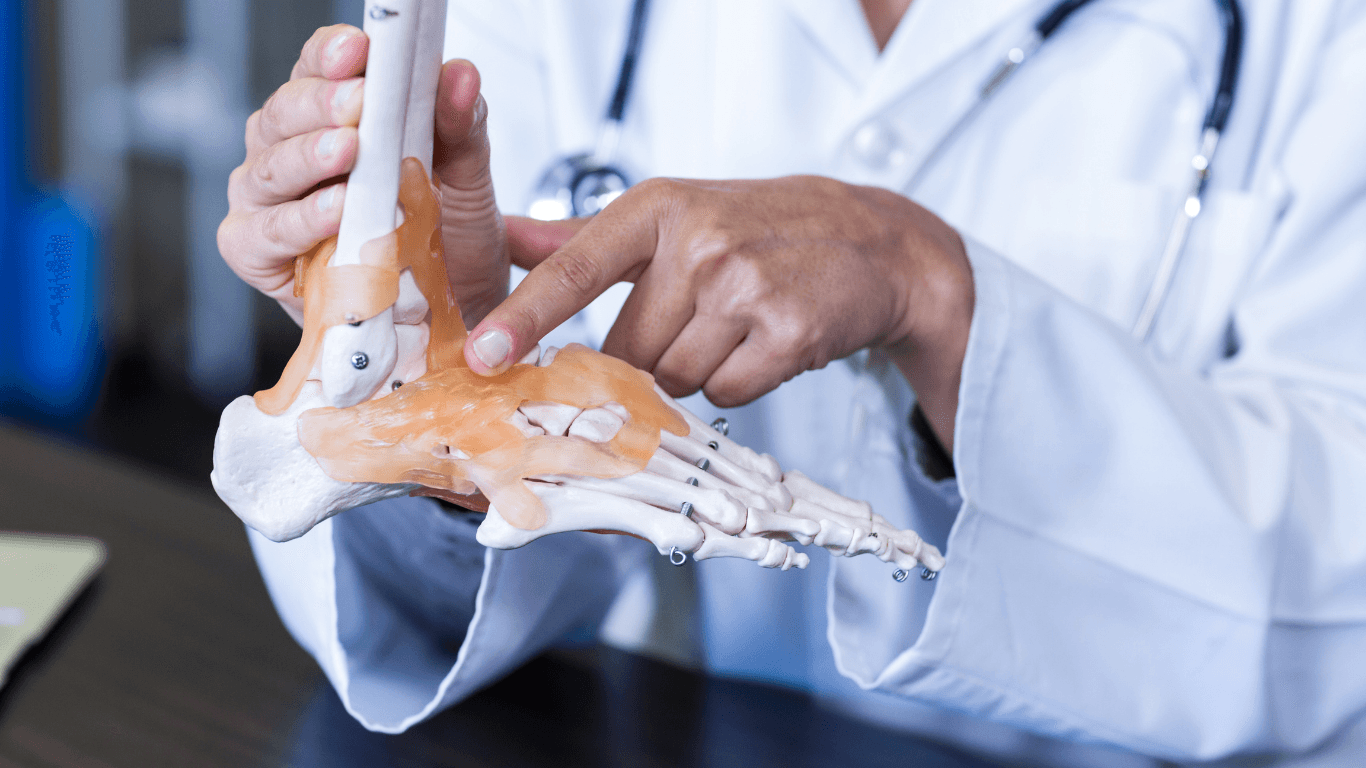
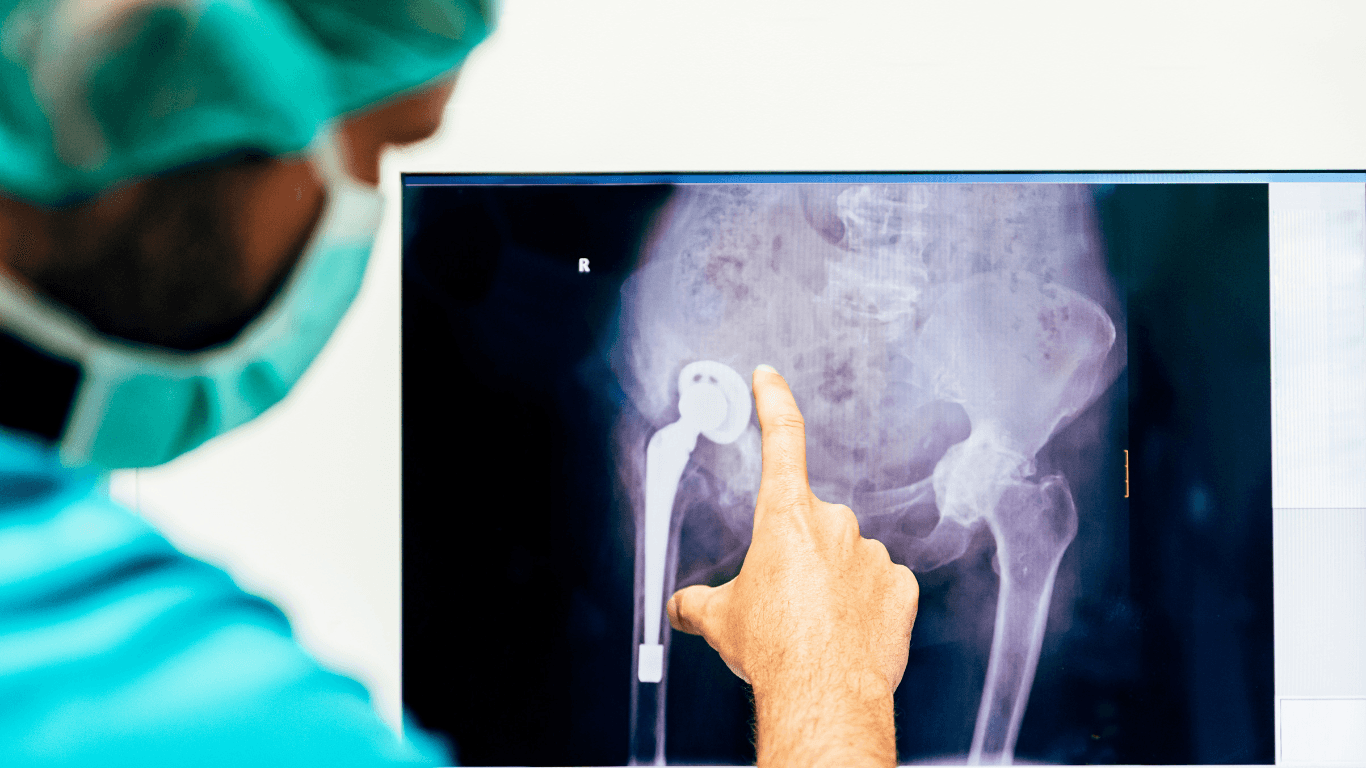
A total hip replacement, also called total hip arthroplasty, replaces both the femoral head (the ball) and the acetabulum (the socket). This creates a completely artificial ball-and-socket joint designed to eliminate arthritis pain and restore movement.
A partial hip replacement, also known as hemiarthroplasty, replaces only the femoral head. The natural socket remains intact. This procedure is most commonly used for specific hip fractures where the acetabulum is still healthy.
While both surgeries relieve pain and improve mobility, their long-term performance, durability, and patient satisfaction can differ significantly.
Durability: How Long Does Each Procedure Last?
Durability is one of the most important considerations when evaluating hip replacement vs partial.
Total Hip Replacement Longevity
Modern total hip implants are engineered for longevity. With advanced materials such as highly cross-linked polyethylene and ceramic bearings, total hip replacements often last 15 to 25 years or longer.
Large joint registry studies consistently show 10-year survival rates exceeding 90 percent. For many patients in their 60s or 70s, this means the implant may last the rest of their lifetime.
Durability is especially important for active individuals who want to return to walking, swimming, cycling, and travel without constant concern about wear.
Partial Hip Replacement Longevity
Partial hip replacement generally has a shorter functional lifespan in more active patients. Because the natural acetabulum remains in place, it can gradually wear against the prosthetic femoral head.
In older, lower-demand patients treated for hip fractures, hemiarthroplasty performs well and often lasts many years. However, in active individuals, acetabular wear may lead to pain and eventual conversion to a total hip replacement.
For this reason, total hip replacement is often preferred when long-term joint durability is a priority.
Risks and Complications: What Patients Should Know
Every surgery carries risks. When comparing hip replacement vs partial, the overall complication profiles are similar, but certain differences are important.
Shared Surgical Risks
Both procedures carry risks of infection, blood clots, bleeding, nerve injury, and anesthesia-related complications. With modern surgical protocols, infection rates are typically low, often around 1 percent in experienced centers.
Early mobilization and blood-thinning medications significantly reduce clot risk.
Dislocation Risk
Total hip replacement may have a slightly higher risk of dislocation, particularly in the early postoperative period. However, advances in surgical technique and implant design have reduced this risk substantially.
Partial hip replacement may have a lower initial dislocation risk in fracture patients, but outcomes vary depending on surgical approach and patient factors.
Long-Term Complications
In total hip replacement, late complications may include implant loosening, polyethylene wear, or periprosthetic fracture. In partial hip replacement, the most notable long-term issue is acetabular cartilage erosion, which can cause pain and require revision to a total hip replacement.
When durability and long-term joint health are considered, total hip replacement often provides more predictable outcomes for arthritis patients.
Patient Satisfaction: Which Procedure Delivers Better Results?
When evaluating hip replacement vs partial, patient satisfaction closely follows pain relief and functional recovery.
Satisfaction After Total Hip Replacement
Total hip replacement consistently ranks among the most successful surgeries in modern medicine. Most patients report dramatic pain reduction, improved mobility, and restored independence.
Active adults often return to low-impact sports and daily activities with minimal limitations. Satisfaction rates are high because the procedure addresses the entire joint, eliminating both femoral and socket arthritis.
Satisfaction After Partial Hip Replacement
Partial hip replacement provides excellent results for elderly patients recovering from femoral neck fractures. It allows faster surgery, reduced blood loss, and early mobilization.
However, long-term satisfaction may decline if acetabular wear develops. Patients who were highly active before surgery sometimes report residual discomfort over time.
Overall, satisfaction depends heavily on choosing the right procedure for the right diagnosis.
Recovery Time and Rehabilitation Expectations
Recovery is a major factor in the hip replacement vs partial decision.
After either surgery, most patients stand and begin walking with assistance within 24 hours. Hospital stays typically last 1 to 4 days, depending on overall health.
In the first six weeks, physical therapy focuses on restoring strength, balance, and safe mobility. By 6 to 12 weeks, many patients resume normal daily activities with minimal assistance.
Total hip replacement may involve slightly more postoperative precautions to avoid dislocation. Partial replacement often involves a slightly shorter operation and potentially quicker early recovery in fracture patients.
Full recovery for either procedure can take 3 to 6 months, depending on age, muscle strength, and overall health.
Who Is the Ideal Candidate for Each Procedure?
The choice between hip replacement vs partial depends on diagnosis and lifestyle.
Total hip replacement is typically recommended for patients with osteoarthritis, rheumatoid arthritis, or advanced joint degeneration affecting both the ball and socket. It is often the best choice for active adults seeking long-term durability.
Partial hip replacement is most commonly used for displaced femoral neck fractures in older adults when the acetabulum remains healthy. It can be the safer, shorter procedure for medically fragile patients.
An experienced orthopedic surgeon evaluates imaging, bone quality, activity level, and long-term goals before making a recommendation.
Cost and Access to Care
For many patients in the U.S. and Canada, cost and wait times are major concerns.
Medical travelers increasingly seek care in Puerto Vallarta, where experienced surgeons provide modern orthopedic surgery at significantly lower cost. Patients can often save up to 70 percent compared to U.S. pricing, without sacrificing safety or quality.
At Puerto Vallarta, patients benefit from accredited facilities, bilingual care, and the opportunity to recover in a calm, supportive environment. Shorter wait times also mean faster relief from chronic pain.
For many families, affordability directly influences whether surgery happens now or years later.
Frequently Asked Questions
Is total hip replacement more durable than partial?
Yes. In most cases, total hip replacement offers greater long-term durability because both joint surfaces are replaced. Partial replacement may wear faster if the natural socket degenerates.
Which procedure has a faster recovery?
Partial hip replacement often involves a shorter surgery and may allow slightly quicker early recovery in fracture patients. However, long-term functional recovery is often stronger after total hip replacement for arthritis patients.
What are the revision rates for hip replacement vs partial?
Total hip replacements commonly show high survival rates beyond 10 to 15 years. Partial replacements may require earlier revision if acetabular wear develops, particularly in active individuals.
Can I return to normal activities after hip replacement?
Most patients return to walking, swimming, cycling, and travel. High-impact activities are usually discouraged to preserve implant longevity.
How do I know which surgery is right for me?
The decision depends on imaging results, diagnosis, age, and activity level. A thorough evaluation with an experienced orthopedic surgeon ensures the right choice for long-term success.
Choosing the Right Path Toward Pain-Free Living
Deciding between hip replacement vs partial is not just about replacing a joint. It is about reclaiming independence, restoring confidence, and returning to the activities that make life meaningful.
For patients considering surgery abroad, working with a trusted specialist matters. At Dr. Max Greig, patients receive compassionate, world-class orthopedic care without the barriers of high cost or long wait times. Every treatment plan is tailored to the individual, balancing safety, durability, and long-term satisfaction.
If hip pain is limiting your life, you do not have to keep waiting. Explore your options, ask questions, and take the next step toward lasting mobility. With the right guidance and expert surgical care, a more active, pain-free future is within reach.