Knee Replacement Abroad: Essential Guide to Surgery & Destinations
Choosing to undergo a knee replacement abroad has become an increasingly attractive solution for people seeking high-quality orthopedic care without excessive costs or lengthy wait times. Medical tourism has evolved dramatically in the last decade, making it possible to receive world-class treatment from internationally trained surgeons in modern, accredited facilities around the world.
These advantages have driven many patients from the United States, Canada, and beyond to explore their options outside their home countries.
In destinations such as Mexico, where specialists like Dr. Max Greig in Puerto Vallarta combine advanced orthopedic expertise with personalized and bilingual care, patients often find a level of comfort and attention that supports a smoother, more reassuring surgical journey.
With the right information and preparation, planning knee replacement surgery abroad can be a safe, efficient, and life-changing experience.
Understanding Knee Replacement Abroad
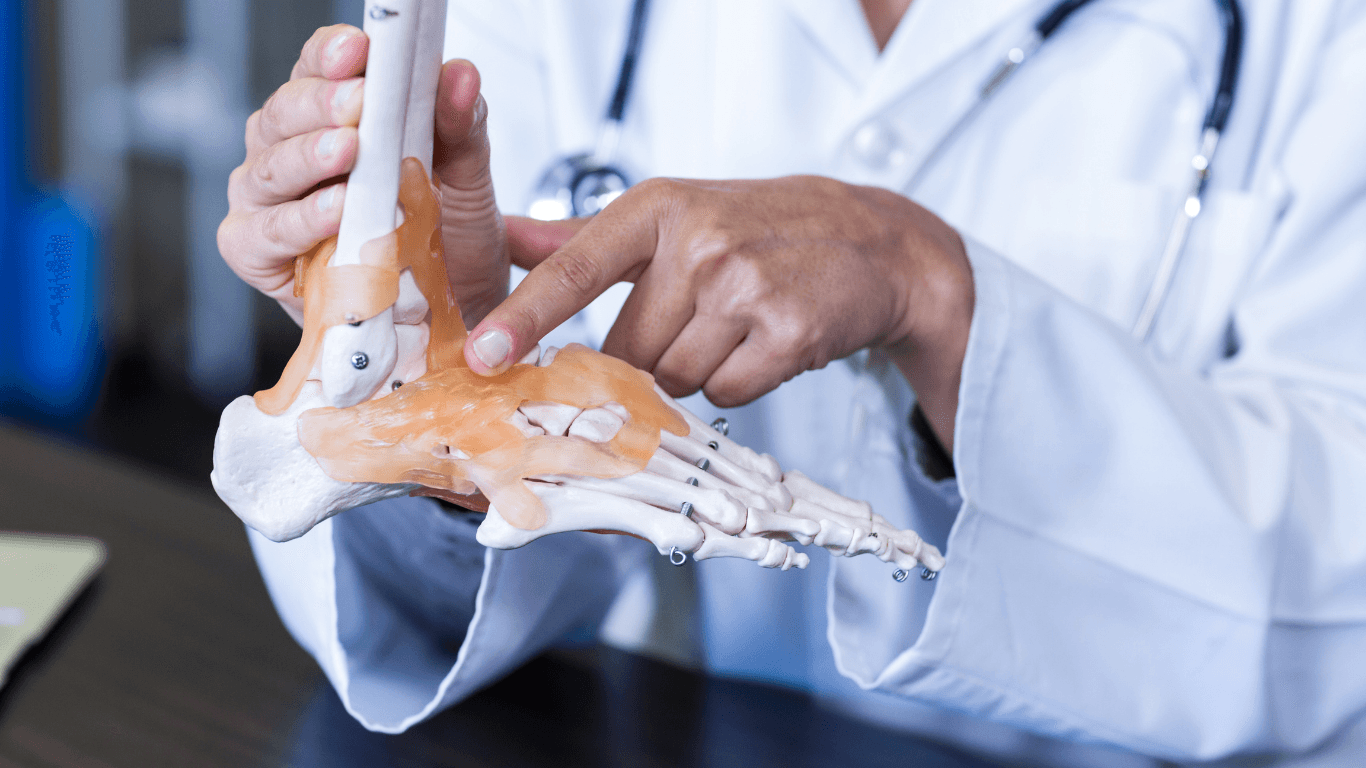
Knee replacement, also known as knee arthroplasty, is a surgical procedure designed to restore mobility and reduce chronic pain caused by damaged cartilage and bone within the joint.
This wear can result from conditions such as osteoarthritis, rheumatoid arthritis, or trauma. When stiffness, swelling, and pain begin to interfere with daily activities including: walking, standing, and sleeping, joint replacement may be recommended.
Who Is a Candidate for Knee Replacement?
Patients usually consider knee replacement when conservative treatments no longer provide relief. These may include physical therapy, medications, injections, or lifestyle modifications. When pain consistently limits mobility or reduces quality of life, surgery becomes a practical next step. Candidates must also be healthy enough for travel and healing, meaning underlying conditions such as diabetes, high blood pressure, or heart disease must be well controlled.
You might interest in: Returning to Sports After Shoulder Surgery
Types of Knee Replacement Procedures
Most orthopedic centers abroad offer two primary varieties of knee replacement. Total knee replacement (TKR) is the most common form, in which the entire joint surface is resurfaced and replaced with metal and polyethylene implants.
This option works well for patients with widespread joint damage. Meanwhile, partial knee replacement (PKR) replaces only the damaged part of the joint and preserves healthy cartilage and bone. PKR offers a faster recovery in suitable cases but requires very specific patterns of degeneration.
Many international hospitals also incorporate surgical technologies such as computer-assisted navigation or robotic guidance. These tools help surgeons improve alignment and precision, contributing to smoother outcomes and longer-lasting implants.
Why Patients Are Choosing Knee Replacement Abroad
The surge in demand for knee replacement abroad reflects several compelling advantages. The most significant is affordability. In countries such as the U.S., knee replacement costs can reach $30,000 to $50,000, making surgery inaccessible or financially stressful for many patients. By contrast, internationally accredited facilities in countries like Mexico, India, Turkey, and Poland offer the same procedure at a fraction of the cost, often with transparent, all-inclusive pricing.
Another reason many patients travel is the opportunity to avoid long wait times. In nations with public healthcare systems, delays for orthopedic surgeries can extend for months or even years. By scheduling surgery abroad, patients can receive timely care and begin their recovery much sooner.
Quality of care is also a major factor. Many orthopedic surgeons abroad completed their training or fellowships in the United States, Canada, the United Kingdom, or Europe. These clinicians bring both international protocols and extensive surgical experience to their practices. Specialists such as Dr. Max Greig exemplify this combination of global training, compassion, and patient-centered care. Patients often find that the attention and friendliness they receive abroad exceeds what they are accustomed to at home.
Finally, many medical tourism destinations offer peaceful, scenic environments that support recovery. Coastal cities like Puerto Vallarta provide a calm and comfortable backdrop for postoperative rehabilitation, which can positively influence healing.
Top Countries for Knee Replacement Abroad
Around the world, several destinations have earned strong reputations for delivering high-quality orthopedic care to international patients. Each offers its own combination of medical expertise, modern technology, language accessibility, and travel convenience, allowing patients to select the environment that best suits their needs and comfort.
Mexico
Mexico continues to stand out as one of the most trusted destinations for patients from the U.S. and Canada thanks to its close proximity, cultural warmth, and high level of orthopedic specialization. Many surgeons have international training, and healthcare teams are accustomed to caring for foreign patients, often providing bilingual communication and personalized assistance throughout treatment. Cities like Puerto Vallarta offer not only modern medical facilities but also a peaceful and scenic setting ideal for recovery. Specialists such as Dr. Max Greig exemplify the blend of surgical expertise and compassionate, individualized care that so many medical travelers appreciate.
Turkey
Turkey has emerged as a global leader in medical tourism, recognized for its state-of-the-art hospitals, advanced surgical technologies, and highly trained orthopedic surgeons, many of whom have completed intensive training in Europe. Patients often praise the seamless integration of hospitality, modern infrastructure, and attentive care that characterizes Turkey’s healthcare system.
India
India is well known for its depth of medical expertise, particularly in complex orthopedic cases. Its large, internationally accredited hospitals are equipped with multidisciplinary teams, advanced imaging, and specialized rehabilitation services. Patients traveling long distances often highlight the detailed care coordination and strong focus on surgical precision that Indian orthopedic centers provide.
Poland
Poland has become a preferred choice for many European patients seeking reliable, regulation-driven medical care in a comfortable and safe environment. Orthopedic clinics in Poland emphasize medical standards, thorough preoperative evaluation, and structured rehabilitation programs. The country’s clean, modern facilities and well-trained surgeons make it a dependable option within the European region.
You might interest in: Why Choose Puerto Vallarta for Orthopedic Surgery
Thailand and South Korea
Thailand is widely recognized for delivering high-quality medical care within a welcoming hospitality culture. Its hospitals often combine cutting-edge technology with a patient-centered experience that feels both professional and calming.
South Korea, on the other hand, is known for leading advancements in orthopedic technology, including robotic-assisted knee replacement and computer-navigated surgery. Patients who prioritize precision, innovation, and technical sophistication frequently consider South Korea a top destination.
Choosing the Right Surgeon and Medical Facility Abroad
Selecting the right surgical team is essential for a safe and positive experience. Many patients begin their search by evaluating the surgeon’s background. Relevant considerations include board certification, fellowship training, years of surgical experience, and the number of knee replacements performed annually. Surgeons with international training, such as those who have studied or worked in the United States or Canada, bring familiarity with global standards of care.
Hospital accreditation is another crucial factor. Facilities with Joint Commission International (JCI) or ISO certifications adhere to strict safety guidelines, sterilization processes, and quality-control measures. These accreditations provide reassurance that the hospital meets internationally recognized benchmarks.
It is also important to understand the technology and materials used during surgery. Some centers offer robotic-assisted knee replacement, digital templating, or computer navigation, which improve surgical accuracy. Patients should feel comfortable asking about the brands and quality of implants, as these influence durability and long-term outcomes.
Preparing for Knee Replacement Abroad
Proper preparation not only improves safety but also reduces stress. Patients should gather relevant medical documents such as X-rays, MRI scans, blood tests, and a complete medical history before traveling. Sharing these in advance allows the surgeon to determine whether you are a good candidate and to personalize your treatment plan.
Travel planning should also be thoughtful. Patients typically book flights that allow extra time before surgery to complete last-minute tests and consultations. A passport, visa (if necessary), travel insurance, and postoperative accommodations should be arranged in advance. Bringing a companion is ideal, as everyday tasks may be difficult during the first few days of recovery.
Financially, it is helpful to request a detailed quote that outlines surgeon fees, hospital charges, anesthesia, implants, rehabilitation sessions, medications, and follow-up appointments. Many hospitals abroad offer all-inclusive packages that make budgeting simpler and more transparent.
The Surgery and Hospital Stay
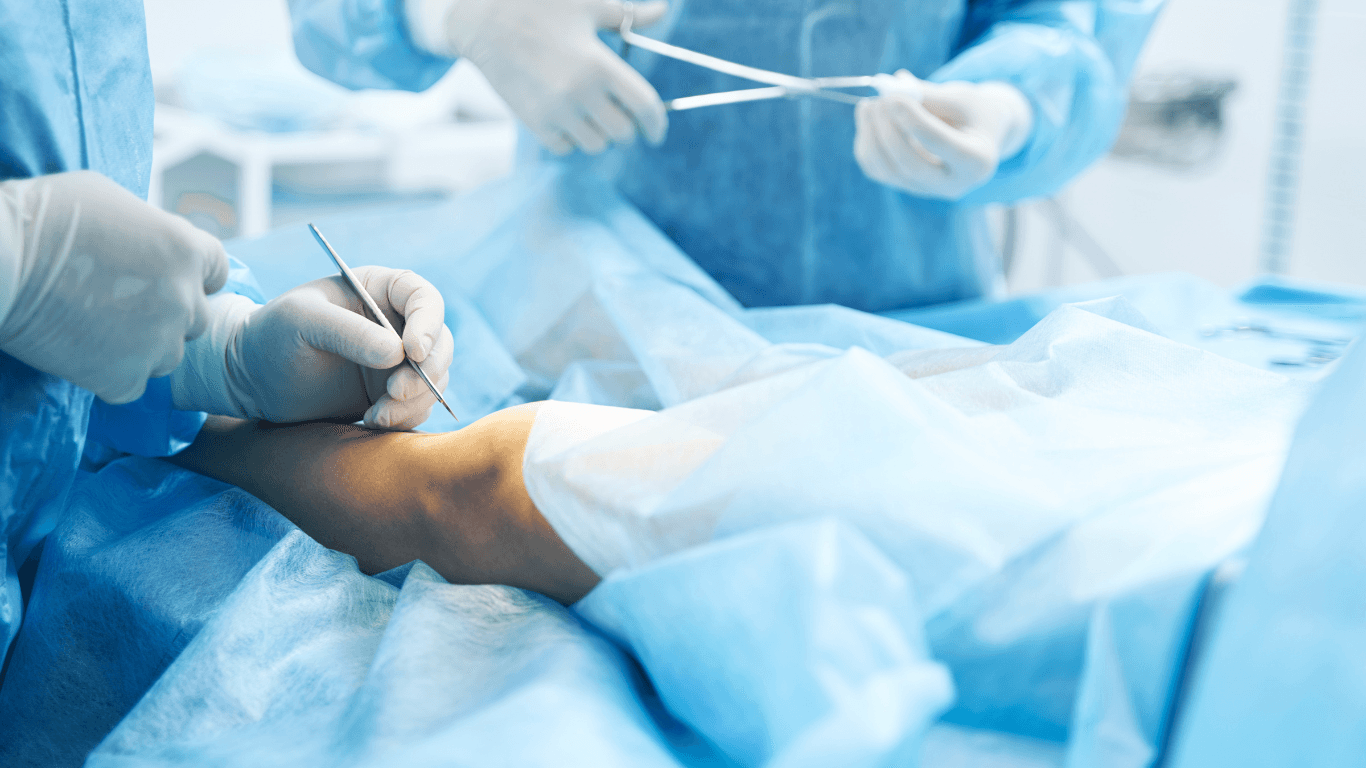
On the day of surgery, patients meet with their care team to review the procedure and undergo final assessments. Anesthesia is administered, and the operation usually lasts one to two hours. After surgery, patients move to a recovery room and then to a hospital room where they are monitored closely.
Hospital stays typically last between three and seven days, depending on progress and overall health. During this time, early mobilization begins under the guidance of a physiotherapist. Standing, taking a few steps, and performing gentle exercises are encouraged to promote circulation, reduce swelling, and support healing.
Pain management is a central part of postoperative care. The medical team will work with the patient to ensure comfort while balancing mobility and safety. Many hospitals abroad are known for their attentive and personalized nursing care, contributing to a calmer and more reassuring recovery experience.
Recovery After Knee Replacement Abroad
The first few weeks of recovery focus on regaining strength, flexibility, and stability. Rehabilitation typically continues both in the hospital and after discharge. Patients receive a structured plan that includes exercises to improve range of motion, strengthen muscles, reduce swelling, and gradually return to everyday activities.
Most people can return home within 10 to 14 days once cleared by their surgeon. After returning home, it is important to continue physiotherapy, attend follow-up appointments as recommended, and monitor for any signs of complications. International orthopedic centers often coordinate with local physicians to ensure continuity of care.
The full recovery timeline varies from one patient to another. While many individuals return to routine activities within six weeks, complete healing and joint strengthening may take several months. With patience and consistent rehabilitation, knee replacement can offer long-lasting relief and dramatically improved mobility.
You might be interested in: When Is Back Surgery the Right Choice?
Frequently Asked Questions
Is getting a knee replacement abroad safe?
Yes. When performed in accredited hospitals by experienced, board-certified orthopedic surgeons, knee replacement abroad can be as safe as surgery at home. Researching credentials, accreditation, and patient reviews is essential.
How long should I stay abroad after the surgery?
Most patients remain near the hospital for 10 to 14 days to monitor healing, remove sutures if needed, and begin early physiotherapy.
How much does knee replacement abroad cost?
Prices vary by country but are generally 50–70% lower than in the United States. Mexico, for example, offers knee replacement packages that typically range from $8,000 to $15,000.
Can I travel alone for knee replacement surgery?
While it is possible, having a companion is strongly recommended for safety, emotional support, and assistance with postoperative tasks.
Making an Informed and Confident Decision
Choosing a knee replacement abroad can open the door to world-class orthopedic care, shorter wait times, and significant financial savings. When supported by internationally trained surgeons, accredited hospitals, and personalized patient services, the experience can be both safe and deeply reassuring.
For many patients, destinations like Mexico offer the ideal balance of expertise, comfort, and accessibility. Specialists such as Dr. Max Greig in Puerto Vallarta exemplify the warm, trustworthy, and professional care that medical travelers seek when facing an important decision about their health.
With thoughtful preparation, careful research, and the guidance of a skilled orthopedic surgeon, pursuing knee replacement abroad can be a positive and transformative step toward regaining mobility, independence, and quality of life.