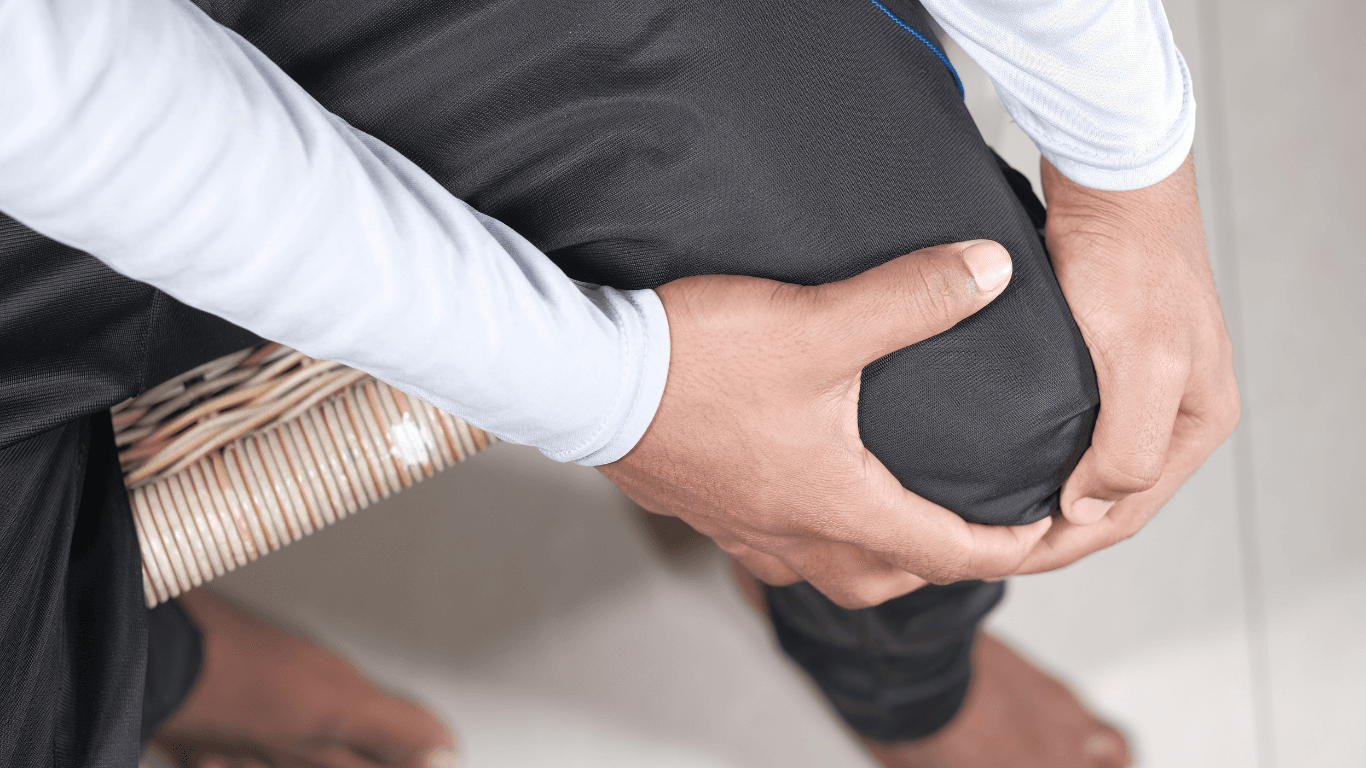
Foot pain has a way of quietly taking over your life. What starts as a mild discomfort when you step out of bed can quickly become a daily struggle that affects how you walk, work, and even rest. If you’re dealing with this persistent heel pain, you’re not alone, and more importantly, you’re not without solutions.
Plantar fasciitis is one of the most common causes of foot pain, yet it’s often misunderstood or ignored until it worsens. The frustration of not being able to move freely, exercise, or even enjoy simple activities can feel overwhelming. But the right knowledge can be the turning point toward recovery.
At the heart of effective healing is understanding your body and taking action early. Experts like Dr Max Greig emphasize that plantar fasciitis treatment is not just about relieving pain, it’s about restoring function, preventing recurrence, and improving quality of life.
This guide will walk you through everything you need to know about plantar fasciitis treatment, from causes and symptoms to proven therapies and recovery strategies. Whether your pain is new or long-standing, there is a path forward, and it starts here.
What Is Plantar Fasciitis?
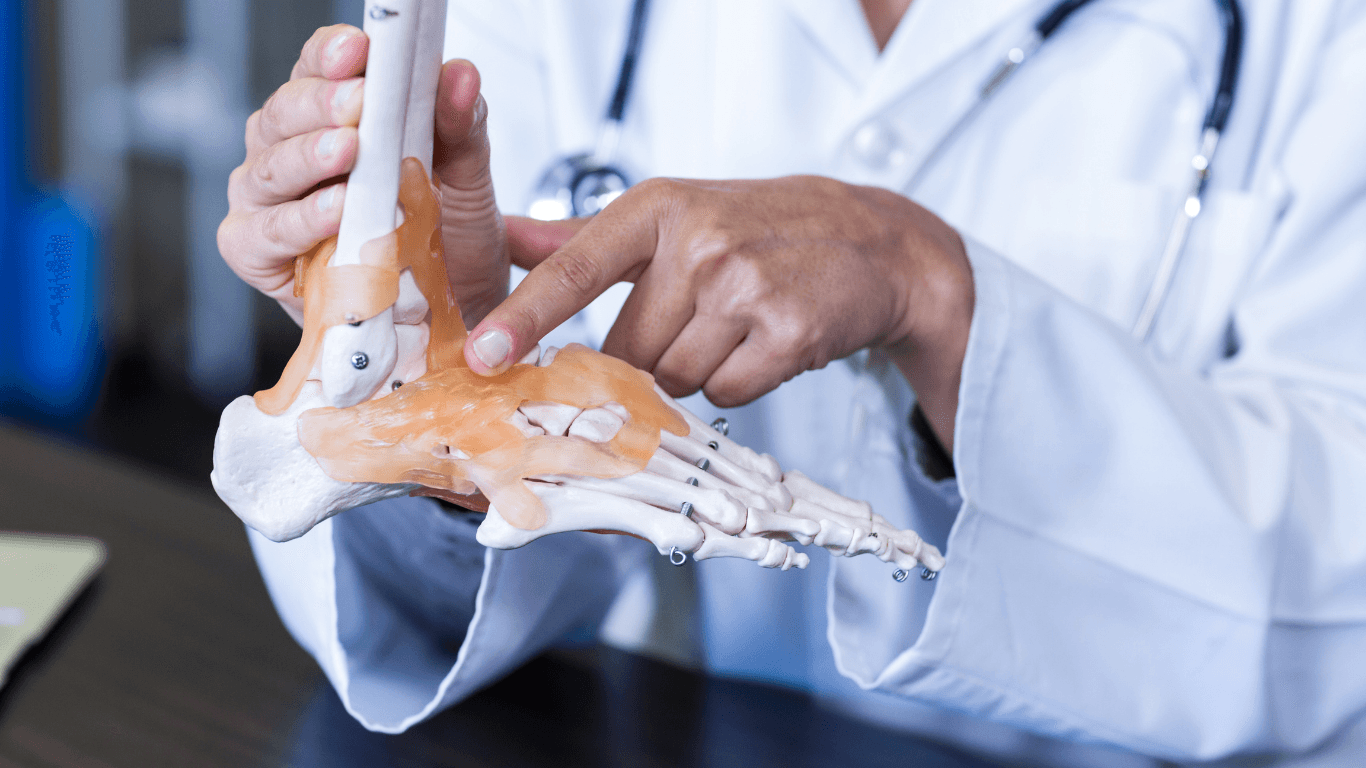
Plantar fasciitis is a condition characterized by inflammation of the plantar fascia, a thick band of tissue that runs along the bottom of your foot and connects your heel to your toes. This tissue supports the arch and absorbs shock during movement.
When excessive strain or stress is placed on the plantar fascia, small tears can develop. Over time, this leads to irritation, inflammation, and the hallmark symptom of sharp heel pain.
Causes of Plantar Fasciitis
Understanding the underlying causes is essential for choosing the right plantar fasciitis treatment. The condition often develops due to repetitive strain rather than a single injury.
Overuse and Repetitive Stress
Activities that place continuous pressure on the feet, such as running, standing for long hours, or walking on hard surfaces, can overstretch the plantar fascia.
Poor Foot Mechanics
Flat feet, high arches, or abnormal walking patterns can increase stress on the fascia. These biomechanical issues often require targeted treatment approaches.
Inadequate Footwear
Shoes lacking proper arch support or cushioning can contribute significantly to the development of plantar fasciitis.
Tight Muscles and Tendons
Tight calves or Achilles tendons limit ankle flexibility, increasing strain on the plantar fascia.
Weight and Lifestyle Factors
Excess body weight places additional stress on the foot structure, making plantar fasciitis more likely.
Symptoms to Watch For
The most common symptom is a stabbing pain near the heel, particularly noticeable during the first steps in the morning or after periods of rest. The pain may decrease with movement but often returns after prolonged standing or activity.
Other signs include stiffness, tenderness along the arch, and increased discomfort after exercise rather than during it.
Diagnosis and When to Seek Help
A proper diagnosis is crucial for effective plantar fasciitis treatment. Healthcare professionals typically rely on physical examination and medical history. Imaging tests such as ultrasound or MRI may be used in persistent cases.
If your pain lasts more than a few weeks, worsens over time, or interferes with daily activities, it’s important to seek professional guidance.
Effective Plantar Fasciitis Treatment Options
There is no one-size-fits-all solution. The best plantar fasciitis treatment combines multiple approaches tailored to your condition and lifestyle.
Rest and Activity Modification
Reducing activities that aggravate the condition is one of the first steps. This doesn’t mean complete inactivity but rather adjusting movements to allow healing.
Stretching and Strengthening Exercises
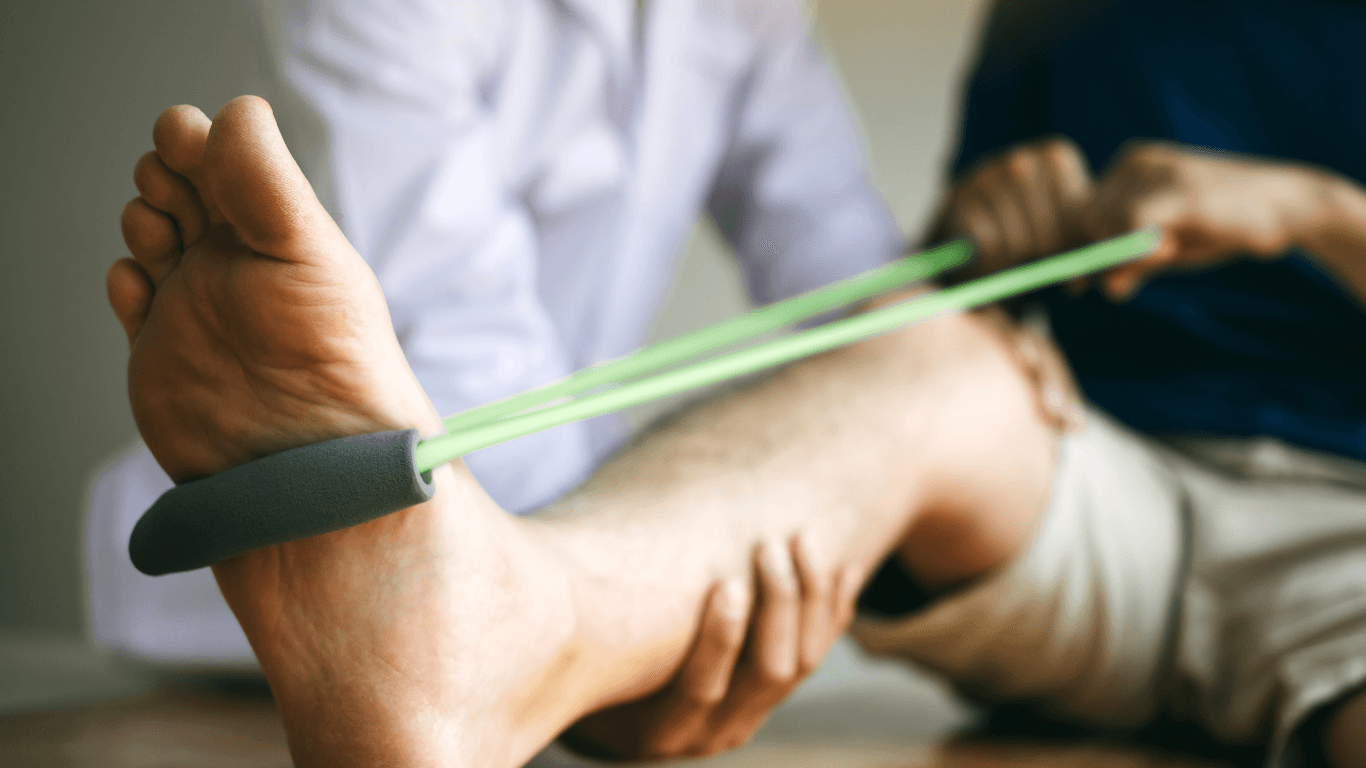
Targeted exercises help relieve tension in the plantar fascia and surrounding muscles. Stretching the calf muscles and plantar fascia improves flexibility and reduces strain.
Footwear and Orthotics
Supportive shoes with proper arch support and cushioning can make a significant difference. Custom orthotics or over-the-counter inserts help distribute pressure evenly.
Ice Therapy and Anti-Inflammatory Measures
Applying ice to the affected area reduces inflammation and pain. Nonsteroidal anti-inflammatory medications may also be recommended in some cases.
Physical Therapy
A structured physical therapy program can address underlying biomechanical issues, improve strength, and accelerate recovery.
Night Splints
Night splints keep the plantar fascia in a stretched position while you sleep, reducing morning pain.
Advanced Medical Treatments
For persistent cases, more advanced plantar fasciitis treatment options may include corticosteroid injections, shockwave therapy, or platelet-rich plasma (PRP) therapy.
Recovery Strategies for Long-Term Relief
Healing from plantar fasciitis requires consistency and patience. Recovery is not just about eliminating pain but preventing recurrence.
Gradual Return to Activity
Avoid rushing back into high-impact activities. Gradually increase intensity to prevent re-injury.
Maintaining Flexibility
Regular stretching should remain part of your routine even after symptoms improve.
Weight Management
Maintaining a healthy weight reduces stress on your feet and supports long-term recovery.
Proper Footwear Habits
Consistently wearing supportive footwear, even at home, can help prevent future flare-ups.
How Long Does Recovery Take?
Recovery time varies depending on the severity of the condition and adherence to treatment. Mild cases may improve within a few weeks, while chronic cases can take several months.
Early intervention significantly shortens recovery time, highlighting the importance of addressing symptoms promptly.
Preventing Plantar Fasciitis
Prevention plays a key role in avoiding recurring pain. Incorporating healthy foot habits into your daily routine can make a substantial difference.
Focus on maintaining flexibility, wearing proper footwear, and avoiding sudden increases in physical activity. Regular foot care and awareness of early symptoms are essential.
The Role of Expert Guidance
While many cases improve with self-care, professional guidance can accelerate recovery and ensure the correct diagnosis. Specialists like Dr Max Greig provide personalized treatment plans that address the root cause rather than just the symptoms.
Having expert support can be the difference between temporary relief and lasting recovery.
FAQ Section
What is the fastest plantar fasciitis treatment?
The fastest relief typically comes from a combination of rest, stretching exercises, supportive footwear, and ice therapy. However, consistency is key, and results vary from person to person.
Can plantar fasciitis go away on its own?
Yes, mild cases can improve without medical intervention, but ignoring symptoms may prolong recovery. Early treatment is recommended to avoid chronic pain.
Is walking good or bad for plantar fasciitis?
Walking is generally safe if it doesn’t cause significant pain. However, excessive walking or high-impact activities can worsen the condition if not managed properly.
When should I see a specialist?
You should seek professional help if pain persists for more than a few weeks, worsens over time, or limits your daily activities.
Start Your Recovery Journey Now
Living with foot pain can feel limiting, but it doesn’t have to define your daily life. With the right plantar fasciitis treatment, recovery is not only possible, it’s achievable.
By understanding the causes, following proven treatment strategies, and committing to long-term care, you can regain mobility and confidence. The journey to healing starts with a single step, and that step is taking action today.
If you’re ready to move beyond pain and reclaim your lifestyle, guidance from experts like Dr Max Greig can provide the clarity and support you need. Don’t wait for the pain to worsen, start your recovery journey now and experience the difference that the right care can make.