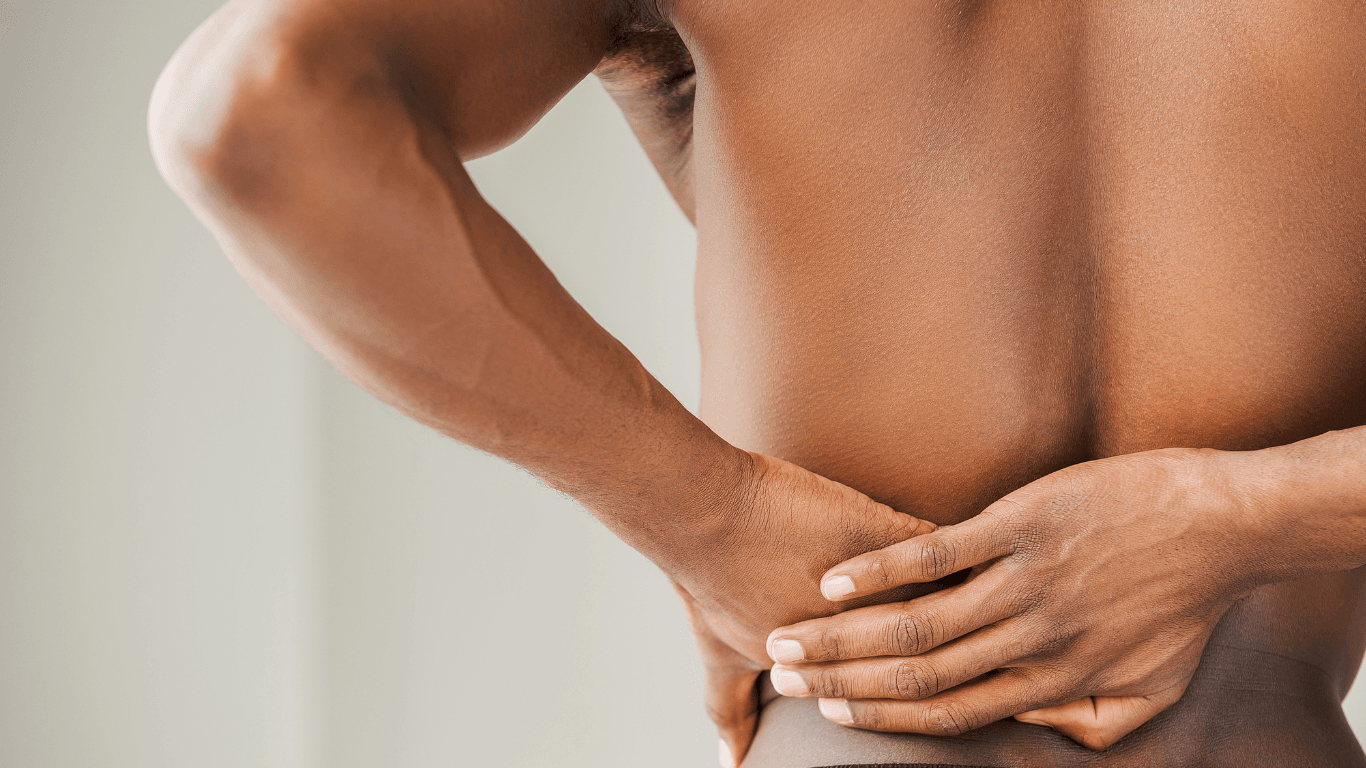
Lower back pain after surgery can feel confusing and discouraging. You went through the procedure with hope, expecting relief, only to find discomfort still shaping your days. It is normal to feel worried when pain lingers longer than expected or returns after initial improvement.
For many patients, especially adults over 55 traveling for care, the fear is not just about pain. It is about losing independence, mobility, and the ability to enjoy life. Whether you traveled for surgery or are recovering close to home, you deserve clarity and reassurance about what is happening in your body.
At Dr. Max Greig’s orthopedic practice in Puerto Vallarta, patients often ask the same question: “Is this normal, or is something wrong?” The answer depends on understanding the type of pain, how recovery progresses, and when to seek further care.
This guide will help you understand lower back pain after surgery, identify possible causes, and apply practical strategies for controlling pain and improving function after back surgery. With the right plan, most patients regain strength, mobility, and confidence.
Understanding Lower Back Pain After Surgery
Lower back pain after surgery is not always a sign of failure. In many cases, it reflects normal healing. Muscles, ligaments, and nerves need time to settle after being moved, repaired, or stabilized.
Surgical inflammation can last several weeks. Swelling around nerve roots may produce aching or radiating discomfort even after compression is relieved. Incision soreness and muscle stiffness are also common during early recovery.
However, persistent or worsening pain requires evaluation. The key is distinguishing expected healing discomfort from structural or nerve-related complications.
Common Causes of Persistent Lower Back Pain After Surgery
Several conditions may contribute to ongoing pain.
Scar Tissue and Nerve Irritation
Scar tissue naturally forms after surgery. In some cases, this tissue surrounds nerve roots and limits their mobility. This can produce symptoms similar to a recurrent disc herniation, including leg pain or tingling.
This condition, often called epidural fibrosis, may appear months after a discectomy or decompression procedure. MRI imaging with contrast can help differentiate scar tissue from new disc problems.
Recurrent Disc Herniation
Even after part of a damaged disc is removed, the remaining portion can herniate again. Recurrent disc herniation usually causes renewed leg pain, numbness, or weakness after a period of improvement.
Treatment may include physical therapy, targeted injections, or revision surgery depending on severity.
Failed Fusion or Pseudarthrosis
Spinal fusion aims to create solid bone between vertebrae. When the bones do not fully fuse, motion persists at the surgical level. This can lead to mechanical back pain that worsens with activity.
Smoking, diabetes, and osteoporosis increase the risk of incomplete fusion. CT scans often confirm the diagnosis.
Adjacent Segment Disease
After fusion, nearby spinal levels may experience additional stress. Over time, these segments can degenerate more quickly. Patients may develop new back pain or nerve compression above or below the fused area.
Hardware Irritation or Infection
Although less common, surgical implants can irritate surrounding tissue. Infection, while rare, causes increasing pain, redness, fever, or drainage. These symptoms require urgent medical attention.
Normal Healing Pain Versus Complications
Normal post-surgical pain gradually improves over weeks. It responds to rest, prescribed medication, and activity adjustments. There is steady progress in walking tolerance and daily function.
Pain that intensifies, spreads, or returns after initial recovery may signal a complication. Red flags include progressive leg weakness, new numbness, loss of bladder or bowel control, fever, or significant wound changes.
Prompt communication with your surgeon allows early diagnosis and prevents long-term problems.
Practical Strategies for Managing Lower Back Pain After Surgery
Successful recovery requires a comprehensive approach. Medication, rehabilitation, and lifestyle changes all play a role in controlling pain and restoring function.
Smart Medication Use
Most patients begin with non-opioid medications such as acetaminophen or anti-inflammatory drugs when approved by their surgeon. These reduce inflammation and incision discomfort.
For nerve-related pain, medications like gabapentin or duloxetine may help calm irritated nerves. Opioids are sometimes used briefly for severe acute pain but should be tapered carefully.
Combining medications strategically often reduces the need for high doses of any single drug. Your physician will adjust prescriptions based on medical history and healing progress.
Physical Therapy and Guided Movement
Movement is medicine after spine surgery. Prolonged bed rest weakens muscles and delays healing.
Early walking improves circulation and reduces stiffness. As healing progresses, a structured physical therapy program strengthens the core, hips, and spinal stabilizers.
Therapists focus on posture correction, gentle stretching, and progressive strengthening. They also teach activity pacing to prevent flare-ups. When nerve symptoms appear, exercises are modified to avoid aggravation.
Core Stabilization and Functional Strength
Strong abdominal and hip muscles reduce stress on the lumbar spine. Pelvic tilts, bridges, and modified planks are commonly introduced once cleared by the surgeon.
Over time, resistance exercises help rebuild confidence in movement. The goal is not just pain relief but restoration of daily activities such as walking, climbing stairs, and lifting light objects safely.
Targeted Injections and Interventional Procedures
If conservative measures do not provide enough relief, targeted treatments may help.
Epidural steroid injections reduce inflammation around nerve roots. Facet joint injections or medial branch blocks identify pain sources. Radiofrequency ablation may provide longer-term relief for facet-related pain.
For patients with chronic nerve pain or failed back surgery syndrome, spinal cord stimulation can interrupt pain signals and significantly improve quality of life.
These treatments are carefully selected based on imaging findings and clinical examination.
Lifestyle Adjustments That Support Recovery
Small daily habits significantly influence long-term outcomes.
Sleep and Healing
Quality sleep promotes tissue repair and lowers pain sensitivity. Maintaining a consistent bedtime routine and supportive mattress improves spinal alignment.
Weight Management
Excess weight increases stress on lumbar structures. Gradual weight reduction reduces mechanical strain and improves mobility.
Smoking Cessation
Nicotine restricts blood flow to spinal tissues and impairs bone healing. Quitting smoking improves fusion success and lowers complication rates.
Ergonomics and Body Mechanics
Proper sitting posture reduces strain during long periods of desk work. Chairs should support the lower back, and screens should remain at eye level.
When lifting, bend at the hips and knees rather than the waist. Avoid twisting while carrying weight.
These habits prevent recurrence and protect adjacent segments of the spine.
The Emotional Side of Recovery
Pain after surgery affects more than the body. It can create anxiety, frustration, and fear of movement.
Patients sometimes limit activity due to worry about reinjury. This protective behavior, while understandable, can slow recovery.
Open communication with your care team builds confidence. Understanding what is normal reduces stress, and stress reduction itself lowers pain intensity.
At Dr. Max Greig’s clinic, personalized follow-up and bilingual support help international patients feel secure throughout recovery. Compassionate guidance makes a meaningful difference.
Long-Term Recovery and Prevention
Recovery does not end once the incision heals. Maintaining spinal health requires ongoing attention.
Regular low-impact aerobic activity such as walking, swimming, or cycling keeps joints mobile. Continued strengthening exercises preserve muscle balance.
Periodic follow-up visits allow early detection of adjacent segment changes or hardware concerns. Bone health evaluation may be recommended for patients at risk of osteoporosis.
With consistent effort, most individuals return to independent, active living.
When to Seek Further Medical Care
Seek immediate evaluation for new leg weakness, numbness, bowel or bladder dysfunction, fever, or wound drainage.
Contact your surgeon if pain suddenly worsens after a period of improvement or if progress stalls for several months despite therapy.
Early imaging and expert assessment clarify whether additional treatment is needed.
Frequently Asked Questions About Lower Back Pain After Surgery
How long does lower back pain after surgery usually last?
Most surgical soreness improves within six to twelve weeks. Mild stiffness may persist longer. Pain that continues beyond three months or worsens over time should be evaluated.
Is it normal to still have leg pain after back surgery?
Temporary nerve irritation can cause lingering leg symptoms. These often improve gradually. Persistent or worsening leg pain may indicate recurrent disc issues or scar tissue.
What exercises are safe after lower back surgery?
Walking is usually the first recommended activity. Core stabilization exercises are added gradually under professional guidance. Avoid heavy lifting and twisting until cleared by your surgeon.
Can failed back surgery syndrome be treated without another operation?
Yes. Many patients benefit from physical therapy, injections, medication adjustments, or spinal cord stimulation. Revision surgery is considered only when imaging shows a clear structural cause.
Regain Confidence, Restore Mobility
Lower back pain after surgery can feel overwhelming, especially when you hoped the procedure would end your discomfort. But lingering pain does not automatically mean failure. With proper evaluation and a structured recovery plan, most patients regain strength and independence.
At Dr. Max Greig’s orthopedic practice in Puerto Vallarta, world-class expertise combines with personalized attention. Patients from the U.S. and Canada find compassionate care, transparent guidance, and modern facilities without long wait times or overwhelming costs.
If you are struggling with ongoing pain, do not wait in uncertainty. Reach out, ask questions, and take the next step toward lasting relief. The right support can help you move forward confidently and return to living fully.