Pain has a way of quietly reshaping your life. At first, it might just be a small discomfort in your knee after a long day, or a dull ache in your back when you wake up. But over time, that discomfort can grow into something that limits how you move, how you work, and even how you enjoy the moments that matter most.
For many people, the idea of surgery feels overwhelming. It brings uncertainty, fear, and questions about recovery, cost, and long-term outcomes. You may wonder if it’s truly necessary or if there’s another way to heal without going under the knife.
This is where understanding orthopedic surgery becomes essential. When guided by experienced professionals like the team at Dr. Max Greig, patients gain clarity, confidence, and a path forward tailored to their specific condition. Surgery is not always the first step, but in some cases, it becomes the most effective solution to restore mobility and quality of life.
In this article, we’ll explore what orthopedic surgery is, the types of procedures available, and most importantly, when you might actually need it. By the end, you’ll have a clear understanding of your options and feel empowered to make informed decisions about your health.
What Is Orthopedic Surgery?
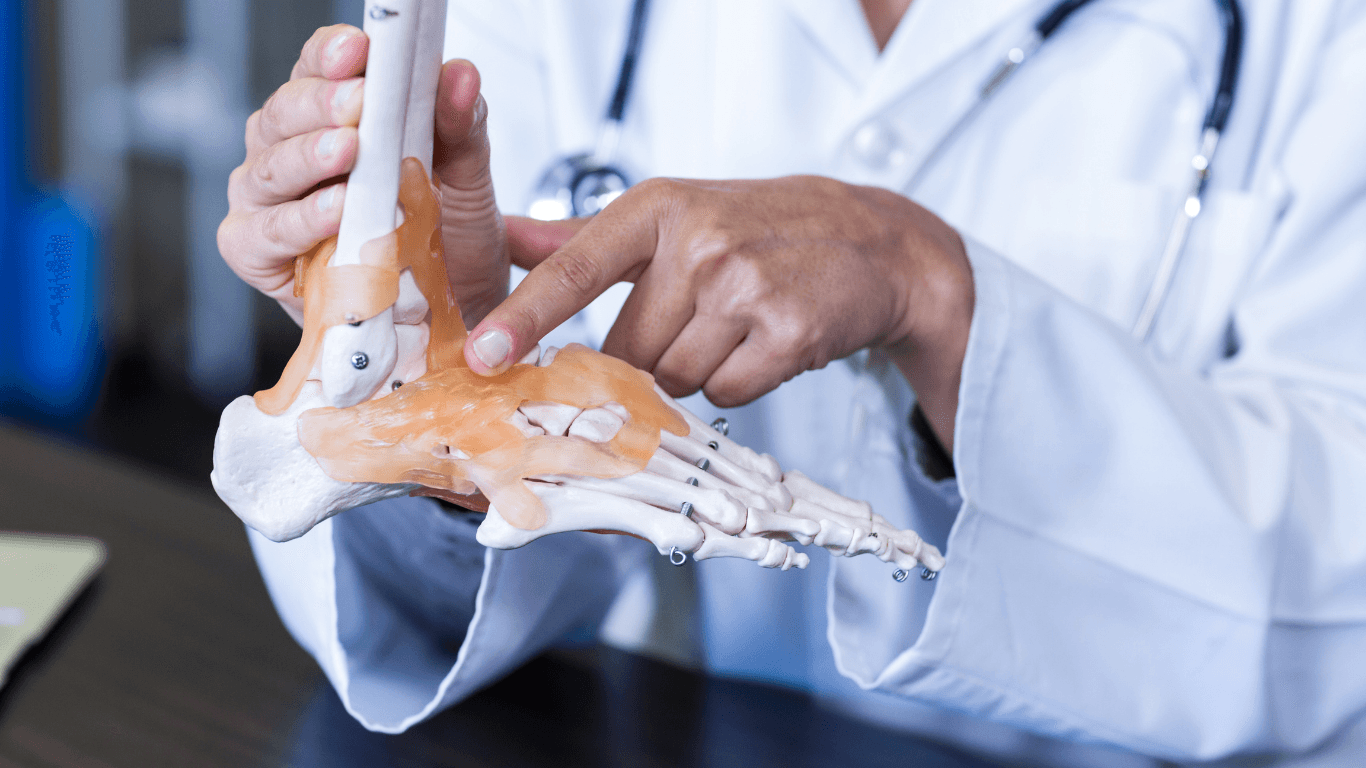
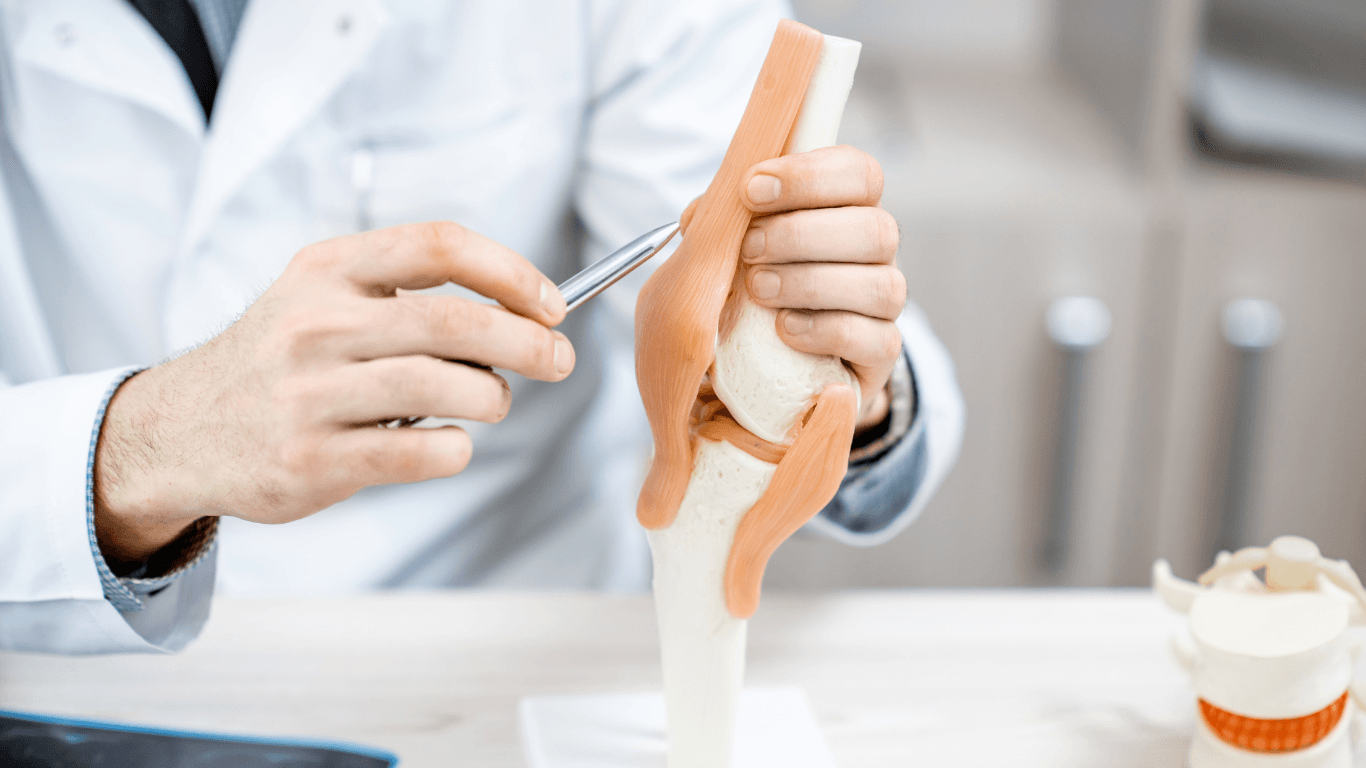
Orthopedic surgery is a specialized branch of medicine focused on diagnosing, treating, and preventing conditions that affect the musculoskeletal system. This includes bones, joints, ligaments, tendons, and muscles.
The goal of orthopedic surgery is not just to fix a structural issue but to restore function, reduce pain, and help patients return to their normal daily activities. Depending on the condition, treatment may involve surgical or non-surgical approaches, with surgery typically recommended only when conservative methods fail.
The Role of Orthopedic Surgeons
Orthopedic surgeons are highly trained specialists who assess injuries and degenerative conditions. They evaluate imaging results, physical symptoms, and patient history to determine the best course of action.
Their expertise spans a wide range of conditions, from sports injuries and fractures to chronic conditions like arthritis. Professionals such as Dr. Max Greig emphasize personalized care, ensuring that each patient receives treatment aligned with their lifestyle and recovery goals.
Common Areas Treated
Orthopedic surgery can address issues in nearly every part of the body. The most commonly treated areas include the knees, hips, shoulders, spine, hands, and feet. Each area requires a unique approach, often combining advanced surgical techniques with rehabilitation strategies.
Types of Orthopedic Surgery Procedures
Modern orthopedic care offers a variety of procedures designed to treat specific conditions with precision and minimal disruption to surrounding tissues.
Joint Replacement Surgery
Joint replacement is one of the most well-known forms of orthopedic surgery. It involves replacing a damaged joint with an artificial implant, commonly performed on hips and knees.
This procedure is often recommended for patients with severe arthritis or joint degeneration. Advances in technology have made joint replacements more durable and recovery times shorter, allowing patients to regain mobility and significantly reduce pain.
Arthroscopic Surgery
Arthroscopy is a minimally invasive technique that uses a small camera to diagnose and treat joint problems. Surgeons make tiny incisions and use specialized tools to repair damage inside the joint.
This approach is commonly used for ligament tears, cartilage damage, and inflammation. Because it is less invasive, patients often experience faster recovery and less postoperative discomfort.
Fracture Repair Surgery
When a bone is severely broken or displaced, surgery may be required to realign and stabilize it. This can involve the use of plates, screws, or rods to hold the bone in place while it heals.
Fracture repair is a critical aspect of orthopedic surgery, particularly for injuries caused by trauma or accidents.
Spine Surgery
Spinal procedures address issues such as herniated discs, spinal stenosis, or chronic back pain. These surgeries aim to relieve pressure on nerves and stabilize the spine.
Although spine surgery can sound intimidating, advancements in techniques have improved outcomes and reduced recovery times for many patients.
Soft Tissue Repair
Tendons and ligaments play a vital role in movement and stability. Injuries such as rotator cuff tears or ACL injuries often require surgical repair when they do not heal properly on their own.
These procedures help restore strength and function, especially for active individuals or athletes.
When Do You Need Orthopedic Surgery?
Not every injury or condition requires surgery. In fact, most orthopedic issues are initially treated with non-invasive methods such as physical therapy, medication, or lifestyle changes.
However, there are clear situations where orthopedic surgery becomes necessary.
Persistent Pain That Doesn’t Improve
If pain continues despite months of conservative treatment, it may indicate a deeper structural problem. Chronic pain that interferes with daily activities is one of the most common reasons patients consider surgery.
Limited Mobility and Function
When you can no longer move a joint properly or perform routine tasks, surgery may help restore function. This is especially true for conditions affecting the hips, knees, or shoulders.
Severe Injuries
Traumatic injuries such as complex fractures, torn ligaments, or dislocations often require surgical intervention to heal correctly. Without surgery, these injuries can lead to long-term complications.
Progressive Conditions
Conditions like osteoarthritis tend to worsen over time. When the damage becomes severe and non-surgical treatments no longer provide relief, surgery may be the most effective option.
Structural Deformities
Some patients develop deformities in bones or joints that affect alignment and movement. Corrective surgery can improve both function and quality of life.
Non-Surgical Alternatives to Consider First
Before recommending surgery, most orthopedic specialists explore less invasive treatments. These options can often provide significant relief and may eliminate the need for surgery altogether.
Physical Therapy
Targeted exercises can strengthen muscles, improve flexibility, and support injured areas. Physical therapy is often the first line of treatment for many orthopedic conditions.
Medications and Injections
Anti-inflammatory medications and corticosteroid injections can reduce pain and swelling. These treatments are commonly used to manage symptoms while the body heals.
Lifestyle Modifications
Weight management, activity adjustments, and ergonomic changes can make a significant difference in reducing strain on joints and preventing further damage.
Regenerative Treatments
In some cases, treatments like platelet-rich plasma (PRP) therapy are used to promote healing in soft tissues. While not suitable for all conditions, they represent an evolving area of orthopedic care.
What to Expect Before, During, and After Surgery
Understanding the process of orthopedic surgery can help reduce anxiety and prepare you for a smoother recovery.
Pre-Surgical Evaluation
Before surgery, your doctor will conduct a thorough assessment, including imaging tests and physical examinations. This step ensures that surgery is the right choice and helps plan the procedure.
The Surgical Procedure
Depending on the type of surgery, the procedure may take anywhere from one to several hours. Advances in anesthesia and surgical techniques have made procedures safer and more efficient.
Recovery and Rehabilitation
Recovery is a crucial part of the healing process. Rehabilitation programs are designed to restore strength, flexibility, and mobility.
Patients working with experienced professionals like Dr. Max Greig often benefit from structured recovery plans that guide them through each stage of healing.
Long-Term Outcomes
Most patients experience significant improvement in pain and function after surgery. However, long-term success depends on following rehabilitation protocols and maintaining a healthy lifestyle.
Risks and Benefits of Orthopedic Surgery
Like any medical procedure, orthopedic surgery comes with both risks and benefits.
Benefits
The primary benefits include pain relief, improved mobility, and enhanced quality of life. For many patients, surgery allows them to return to activities they once enjoyed.
Risks
Potential risks include infection, blood clots, and complications related to anesthesia. However, these risks are relatively low when surgery is performed by skilled professionals and proper care is taken during recovery.
How to Decide If Surgery Is Right for You
Deciding to undergo surgery is a personal decision that should be made in consultation with a qualified orthopedic specialist.
Factors to consider include the severity of your condition, your overall health, your lifestyle, and your treatment goals. Seeking guidance from trusted experts like Dr. Max Greig can help you weigh your options and make an informed choice.
FAQ About Orthopedic Surgery
What is the most common orthopedic surgery?
Joint replacement, particularly knee and hip replacement, is among the most common procedures. These surgeries are highly effective for treating advanced arthritis and improving mobility.
How long does it take to recover from orthopedic surgery?
Recovery time varies depending on the procedure. Minimally invasive surgeries may require only a few weeks, while more complex procedures can take several months.
Is orthopedic surgery always necessary?
No, surgery is usually considered only after non-surgical treatments have failed. Many conditions can be managed effectively without surgery.
What are the success rates of orthopedic surgery?
Most orthopedic procedures have high success rates, especially when performed by experienced surgeons and followed by proper rehabilitation.
Your Path Back to Movement and Strength
Living with pain or limited mobility can feel isolating, but you don’t have to navigate it alone. Understanding your options is the first step toward reclaiming your independence and quality of life.
Orthopedic surgery is not just about fixing a problem, it’s about restoring movement, confidence, and the ability to live fully again. With the right guidance, the journey becomes far less intimidating and far more hopeful.
If you’re struggling with persistent pain or a condition that isn’t improving, now is the time to seek expert advice. The team at Dr. Max Greig is committed to helping you explore every option and find the treatment path that works best for you.
Take control of your health today and move one step closer to a stronger, pain-free future.